%201.svg)









A Complete Malaysian Parent’s Guide to Feeding Your Little One's
When your little one's reaches 6 months old, feeding becomes an exciting new journey. This is the stage when most little one's are ready to start exploring solid foods while still getting their main nutrition from maternal milk or formula. At this age, the beginning of introducing solids marks an important milestone in your little one's development. In fact, many little one's are showing signs of readiness and are eager to start eating and sleeping more independently at this stage.
If you’re a parent , you might be wondering:
- How much solids should a 6-month-old eat?
- How many milk feeds are enough?
- What’s the best feeding schedule for my little one's?
Understanding Your Little One's Nutritional Needs at 6 Months old
At this age, milk (maternal milk or infant formula) remains your little one's main source of nutrition. Solid foods are introduced gradually to help your little one's explore new textures, flavors, and nutrients. Infants at this stage are beginning the transition from a milk-only diet to incorporating small amounts of solids as part of their feeding routine.
According to the American Academy of Pediatrics (AAP) guidelines:
- Maternal milk or formula should still make up most of your little one's daily calories.
- The purpose of starting solid food is to introduce solids mainly for learning and experience, not for replacing milk entirely.
- This is the perfect time to introduce iron-rich foods, as your little one's natural iron stores start to decline.
How Much Solids Should a 6-Month-Old Eat?
When starting solids, think “small amounts, often”. Begin by offering a small amount to help your little one's get used to new tastes and textures.
💡 Good Rule: Begin with 1-2 tablespoons of pureed food once a day, and slowly and steadily increase to 2-3 small meals over the next few months.
Start with one meal per day and watch your little one's cues before gradually adding more meals.
Example first meals:
- Mashed sweet potato
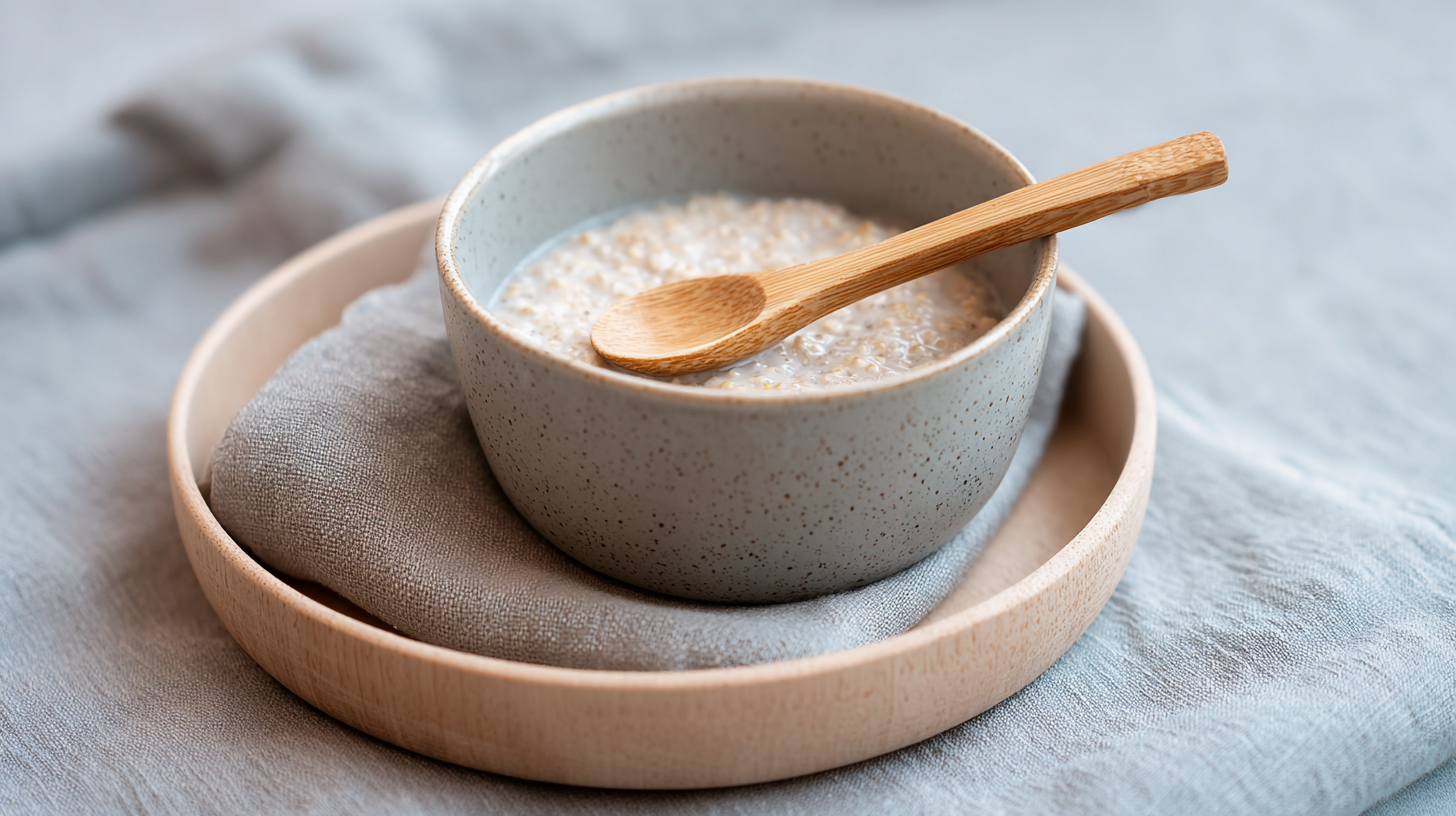
- Rice porridge (bubur nasi) with blended vegetables
- Pureed banana or papaya
- Iron-fortified little one's cereal mixed with maternal milk/formula
Little one's may eat different amounts at each meal depending on their appetite and stage of development.
Feeding routines can progress week by week as your little one's grows and becomes more comfortable with solids.
How Much Milk Should a 6-Month-Old Drink Per Feeding?
Most little one's at this stage:
- Maternal feed: 4–6 times in 24 hours
- Formula-fed: 180–240 ml per feed, 4–5 times a day
At 6 months, typical milk intake is about 700–1000 ml per day, which supports healthy growth as your little one's starts to explore solid foods.
Remember, some little one's drink more in the morning and less in the evening, or vice versa — that’s normal as long as they’re gaining weight and showing fullness cues.
Little One's Feeding Schedules
Here’s a sample feeding schedule for a 6-month-old, including how to offer solids as part of your little one's daily routine:
Morning
- 7:00 am – Milk feeding (maternal or formula)
- 9:00 am – Breakfast solids (iron-fortified cereal with fruit puree)
Midday
- 11:30 am – Milk feeding
- 1:00 pm – Lunch solids (vegetable puree with soft protein like mashed lentils)
Afternoon
- 3:30 pm – Milk feeding
- 5:30 pm – Dinner solids (mashed pumpkin with rice porridge)
Evening/Night
- 7:30 pm – Milk feeding before bed
- Night feedings if little one's wakes hungry
Note: Always feed your little one's according to their hunger cues and adjust the schedule as needed.
7 Tips for Feeding Your 6-Month-Old Little One's
- Follow your little one's hunger and fullness cues – Don’t force-feed. Establishing a consistent little one's feeding routine helps your little one's know what to expect and supports healthy eating habits.
- Start with single-ingredient foods – This helps you monitor allergies. Always wait a few days before introducing another new food to watch for any reactions.
- Introduce iron-rich foods early – Eggs, lentils, pureed chicken, fish.
- Offer water in an open cup during meals – Just a few sips to learn drinking skills.
- Be patient – Some little one's take time to accept new flavors. As little one's eat more solids, they gradually learn to handle different textures and tastes.
- Avoid salt and sugar – Little one's kidneys are still developing.
- Make mealtimes fun – Sit together as a family so your little one's can learn by watching you eat.
Introducing Solid Foods in Malaysia
Malaysian kitchens have a variety of little one's-friendly options:
- Vegetables: Carrot, pumpkin, spinach, broccoli
- Fruits: Banana, papaya, mango, dragon fruit
- Proteins: Fish (boneless), chicken, tofu, egg yolk
- Carbs: Rice, sweet potato, corn
You can steam, mash, or blend these foods. For little one's-led weaning, offer soft-cooked sticks of vegetables or fruit that little one'scan grasp.
Little one's Feeding Chart for 6 Months
Meal
Food Type
Amount
Notes
Breakfast
Iron-fortified cereal + fruit puree
1–2 tbsp
Offer as a solid meal; mix with maternal milk or formula
Lunch
Vegetable puree + protein
1–2 tbsp
Solid meal with soft and smooth texture
Dinner
Carbs + veggie mix
1–2 tbsp
Introduce new flavors gradually during this solid meal
Milk Feeds
Maternal/formula
4–6 feeds/day
Remains main source of nutrition
Protein Foods for Little One's
Protein is important for growth:
- Mashed fish (ikan)
- Blended chicken maternal
- Tofu or tempeh mash
- Lentil puree
- Cheese (a good source of protein, calcium, and vitamin D)
Always remove bones, skins, and seeds.
Bottle Feeding vs Maternal feeding at 6 Months
Maternal milk: Provides antibodies, perfect balance of nutrients. Many parents choose to nurse their infants frequently to ensure they receive age-appropriate nutrition and support healthy development.
Formula: Good alternative if maternal feeding isn’t possible or is supplemented.
Whichever you choose, make sure feeds are on demand and little one's is satisfied.
Milk Supply & Solids
If you’re maternal feeding, starting solids shouldn’t reduce your supply — keep offering milk before solids in the early months of weaning.
Nursing continues to be an important source of nutrition for your little one's even as you introduce solid foods.
Signs Your Little One's is Ready for Solids
- Can sit up with little support
- Shows interest in food
- Can move food from spoon to throat
- Doubled birth weight
Foods to Avoid at 6 Months
- Cow’s milk as a drink (until 1 year). After your child’s first birthday, cow's milk should be served in a cup, not a bottle, and intake should be limited to avoid displacing other important nutrients.
- Honey (risk of botulism)
- Whole nuts (choking hazard)
- Foods with added salt or sugar
Little One's-Led Weaning vs Spoon Feeding
Spoon feeding: Purees, easy to track intake
Little one's-led weaning: Encourages independence, offers soft finger foods
You can combine both methods.
Gaining Weight & Monitoring Growth
Use your little one's growth chart during paediatrician visits to ensure healthy progress. If your little one's isn’t gaining weight well, consult your doctor for a tailored feeding plan.
Sample Feeding Schedules by Age
1- to 3-Month-Old Feeding Schedule
- Milk feeds every 2–4 hours
- No solids yet
4- to 6-Month-Old Feeding Schedule
- Milk feeds every 3–4 hours
- Begin solids around 6 months
6-Month-Old Feeding Guide
- 2–3 solid meals/day
- 4–6 milk feeds/day
As your little one's grows, you can gradually transition to three solid meals per day, aiming for a structured routine of three meals alongside milk feeds. Approaching their first birthday, start introducing table food to help your child adapt to family meals and develop healthy eating habits.
Introducing Cups & Self-Feeding
At this stage, you can introduce:
- Open cup – Helps with coordination
- Straw cup – Fun and encourages sipping
As your little one's practices self-feeding, you can also offer a healthy snack to support their nutrition and eating habits.
Fullness Cues to Watch For
- Turning head away
- Closing mouth tightly
- Playing with food instead of eating
- Slowing down chewing/swallowing
Nutrition for the First Year
Milk remains the primary source of nutrition until your little one's first birthday. In fact, a little one's main source of nutrition during the first year should be maternal milk or infant formula, which provides essential nutrients for healthy growth. Solids are important for developing taste preferences, chewing skills, and meeting extra nutrient needs like iron and zinc. Paying attention to your little one's nutrition during this stage supports proper development.
As your little one's approaches their first birthday and transitions to toddlerhood, it's important to gradually introduce a variety of foods to help children develop healthy eating habits.
Disclaimer:This article provides general information for parents and is not a substitute for professional medical advice. Always consult your paediatrician or a qualified healthcare provider regarding your little one's specific needs, growth, and health.
19. Food Allergies: What Parents Need to Know
Introducing solid foods is an exciting milestone, but it’s natural for parents to worry about food allergies. When you begin offering new foods, watch closely for signs of an allergic reaction, such as a rash, itching, swelling, stomach cramps, diarrhea, or vomiting. If you notice any of these symptoms, stop feeding the suspected food and consult your pediatrician right away.
To help identify food allergies, introduce potential allergens—like peanuts, eggs, or dairy—one at a time and in small amounts. This makes it easier to pinpoint which food may be causing a reaction. Remember, maternal milk or formula should remain your little one's main source of nutrition as you start introducing solid foods. Using a little one's feeding chart is a helpful way to keep track of which foods your little one's has tried and to note any reactions. This careful approach ensures your little one's nutrition is balanced and safe as they explore new foods.
Safety Precautions When Feeding Your 6-Month-Old
Keeping your little one's safe during mealtimes is just as important as what you feed them. Always supervise your little one's while they’re eating solid foods, and never leave them alone with food or drinks. Cut foods into small, soft pieces to reduce the risk of choking, and avoid serving hot foods or drinks that could burn your little one's mouth.
If you’re bottle feeding, make sure the bottle nipple is the right size for your little one's age, and never prop the bottle in your little one's mouth, always hold it for them. For maternal fed little one's, ensure a good latch to prevent discomfort or infection. Following a feeding schedule and paying attention to your little one's fullness cues can help you plan safe and enjoyable meals and snacks. Every little one's is different, so adjust your approach as needed to keep feeding times safe and stress-free.
Common Feeding Challenges and How to Overcome Them
It’s common for parents to face a few bumps when introducing solid foods. Some little one's may refuse to eat certain foods or struggle with new textures. If your little one's isn’t interested in solids, try offering a variety of flavors and textures, and don’t force them to eat, sometimes it just takes a few tries for little one's to accept something new.
For little one's who have trouble with lumps or thicker foods, start with smooth purees and slowly work up to more textured options. If you’re concerned about your little one's weight gain or notice signs of dehydration, reach out to your pediatrician for advice. Keeping a little one's feeding chart can help you track what your little one's eats and spot any patterns or issues early on. Remember, every little one's is unique, be patient, flexible, and celebrate small successes as your little one's learns to enjoy solid foods.
When to Consult a Professional About Feeding Concerns
If you have any concerns about your little one's feeding, nutrition, or how to introduce solid foods, don’t hesitate to seek professional advice. Your pediatrician can provide guidance on feeding schedules, managing food allergies, and overcoming feeding challenges. They can also help you create a personalized little one's feeding schedule that fits your little one's needs.
For maternal feeding support, a lactation consultant can offer practical tips and encouragement, while a registered dietitian can help with nutrition and meal planning. If you’re ever unsure about your little one's feeding or nutrition, it’s always best to ask for help, your little one's health and well-being are worth it.
(Disclaimer: This article is for informational purposes only. Always consult a pediatrician or healthcare provider before introducing new foods or formulas to your little one's diet.)