NZ Made and Owned

gentle on tummies
natural goodness from GOAT milk
less processed
%201.svg)






1. New Zealand’s No. 1 Owned Goat Milk Formula
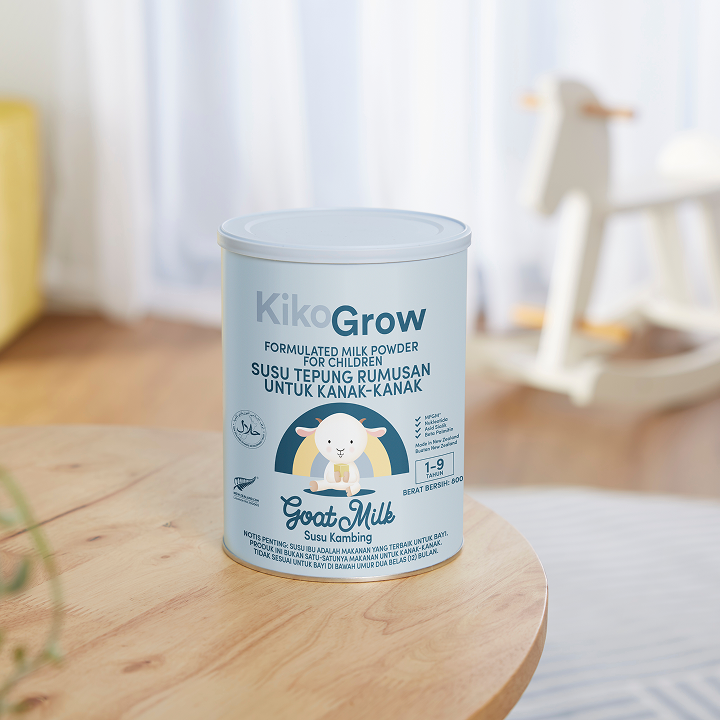
We are proudly New Zealand owned and produce Kiko Grow in our own local facilities. This gives us full oversight and control of every single step in the manufacturing process, from raw milk to the final product.
Our dedicated team takes great pride in knowing they've helped develop and manufacture gentle, trusted nutrition that parents can rely on and your little one will love. Our factories and head office are located within the Auckland region, New Zealand.
2. Personal Farming Partnerships
We believe high-quality nutrition comes from an environment treated with integrity. Working alongside our tight-knit local farming community ensures we share a common mission of quality and ethical care.
Our strong, personal relationships with local partner farms ensure the milk's quality and integrity are maintained from the very start.
3. Enhanced Freshness & Sustainability
Minimized Footprint: The close proximity between our partner goat farms and factories is one of the things that makes Kiko Grow special. This short travel distance allows us to maintain the ultimate freshness of the milk while leaving a smaller environmental footprint on our planet.


At the heart of our formula is fresh New Zealand whole goat milk, renowned for its unique protein structure, specifically its lower level of αS1-casein protein.
This natural difference means it creates a softer, lighter curd in the tummy that may support easier digestion for little ones (1, 2). We then enhance this natural goodness only with the essential vitamins and minerals your baby needs, providing a formula that is both safe and completely nutritious.
Purity Promise: What We Leave Out
We believe that what we leave out is just as important as what we put in. That’s why we guarantee our formulas are free from:
We are also Halal-certified and vegetarian-friendly.
Peace of Mind with Every Feed
By blending carefully selected ingredients with the natural, nourishing qualities of goat’s milk, we provide a formula that not only supports your child’s growth but also brings you and your little one comfort and peace of mind with every feed.
While processing is a crucial step for the safety of infant formula, at Kiko Grow, we are committed to keeping it to an absolute minimum to preserve the natural goodness of New Zealand goat milk.
Our Unique, Gentle Process
Our method prioritizes fresh, whole milk and minimal heat:
The Kiko Grow Difference
Other formulas may undergo two heating phases by using ingredients that have already been processed (5). These extra heating and drying steps can increase the level of undesirable compounds and reduce the milk's natural integrity.
By keeping things simple and gentle at Kiko Grow, we deliver a formula that stays closer to what nature intended—because your little one deserves nothing less.

We believe in the natural goodness of goat milk to nourish and support your little one as they take their foundational steps through life.
1. Naturally Rich in Essential Bioactives
Goat milk is uniquely nutritious, as it naturally provides higher levels of key compounds that support your child's health.
Immunity & Gut Support: Goat milk contains higher levels of immunity and gut-supporting compounds, such as nucleotides and taurine, compared to cow's milk (7, 8).
Naturally Complete: Because goat milk formula naturally contains nucleotides, there is often no need to add these ingredients, unlike in many cow's milk formulas (7). This makes goat milk a naturally complete and nutritious choice.
2. Higher in Natural, Healthy Milk Fat
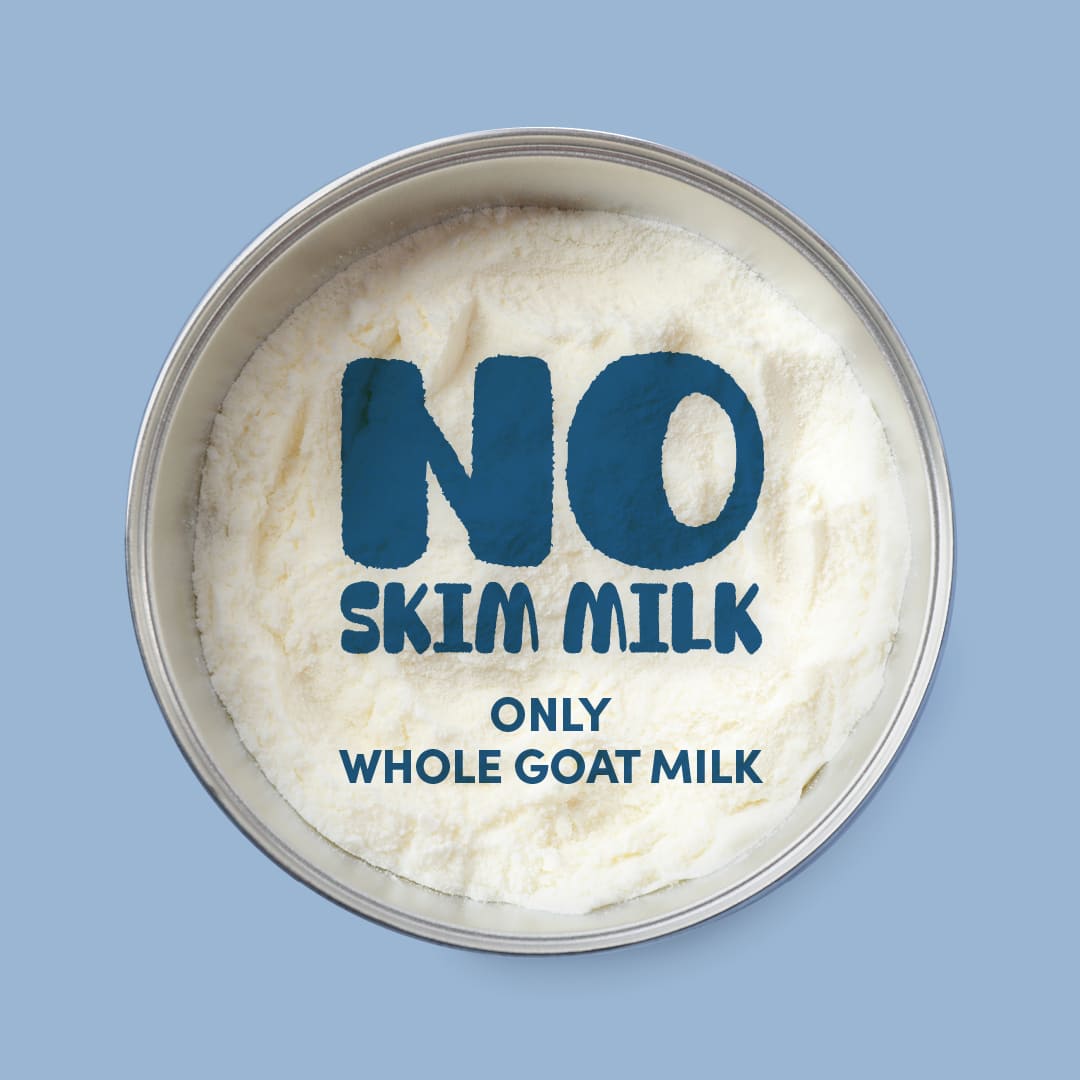
Our formula uses whole goat milk, which provides superior benefits compared to formulas made with skim milk:
1. Almaas et al. 2006. Int Dairy J, 16:961.
2. Prosser. 2020. J Food Sc, 86:257-265.
3. Gallier et al. 2020. Nutrients, 12:3486.
4. Kloek et al. 2020. Int Dairy J, 111:104834.
5. Chen et al. 2025. Foods, 14:3445.
6. Neveu et al. 2002. Reprod Nutr Dev, 42:163-172.
7. Tolenaars et al. 2021. Int Dairy J, 117:105012.
8. Chauvet et al. 2025. Font Nutr, 12:1635919.
9. Van Leeuwen et al. 2020. J Agric Food Chem, 25:13469-13485
10. Van der Toorn et al. 2023. J Agric Food Chem, 71:13935-13949