%201.svg)








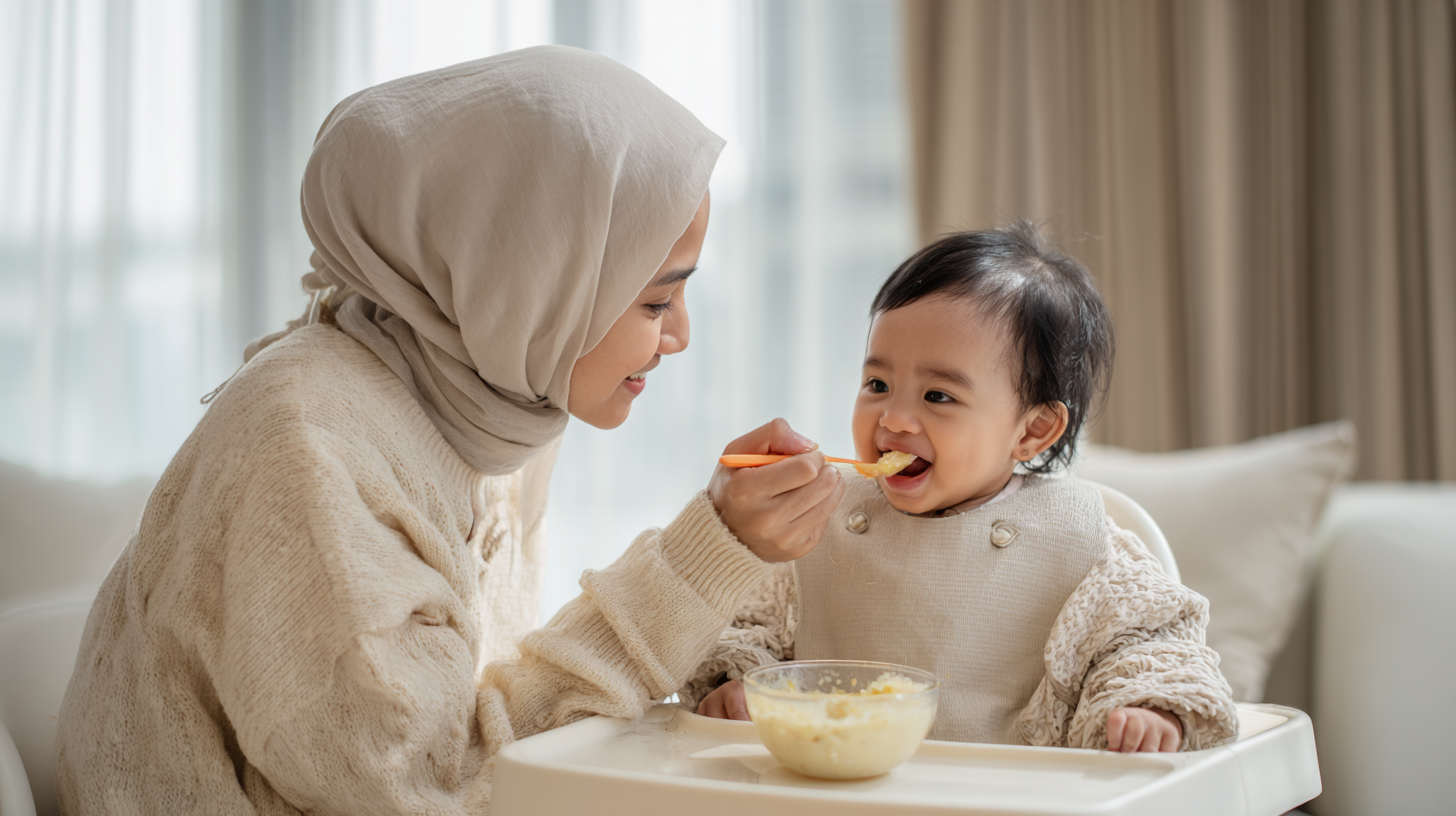
Planning meals for a young child between 6 and 12 months of age can feel both exciting and overwhelming. This stage is full of rapid growth, new skills, and more interest in food. From first tastes to more structured solid meals, parents often look for clear guidance on how to build balanced, age-appropriate menus that support learning, development, and positive eating habits.
This guide provides helpful ideas for young child meal plan options, feeding schedules, solid food progression, and inspiration for simple meals using everyday ingredients. It also highlights practical tips for introducing solids, exploring food textures, and creating nutritious plates across the key food groups.
Understanding the Transition to Solids
Most little one's begin starting solids around six months of age, while continuing maternal milk or little one's formula. This new stage is an opportunity to introduce new flavours, different colours, diverse textures, and a broader range of important nutrients.
At this age, solids complement milk. Soft, smooth pureed foods or very soft cooked vegetables work well as first foods. Over time, as a children gains confidence, you can gradually move toward mashed vegetables, finely chopped items, soft foods, and eventually finger foods. The goal is to match each stage with an appropriate texture that is safe and manageable.
Key Principles for a Young Child Meal Plan (6 to 12 Months Old)
Continue milk as the main source of nutrition
Whether it’s maternal milk, expressed maternal milk, or little one's formula, milk remains essential. Solids sit alongside milk, not in place of it. Even as little one's show more interest in eating, milk feeds remain central.
Offer iron rich foods early and often
During this stage, little one's require extra iron. Foods like meat, chicken, fish, kidney beans, mung beans, peas, tofu, and iron fortified cereals are a good source and can be blended or mashed depending on the little one’s developmental stage.
Explore a variety of food textures
Little one's need exposure to smooth, lumpy, mashed, and soft finger-friendly options. This helps with oral development and confidence in eating independently.
Keep added salt, sugar and saturated fat low
Little one's bodies don’t need extra salt or sugar. Naturally sweet foods like banana, fruit puree, sweet potato, or mashed banana are ideal.
Introduce new foods slowly
Trying one new food at a time allows little one's to focus on flavours and supports parents with observing acceptance.
Encourage different food textures and different colours
A colourful plate often means a variety of nutrients.
Meal Plan for 6 to 9 Month Old
At this stage, little one's typically start with one to two solid meals per day, gradually working toward three. Portions are small, and preferences are still developing. Smooth and mashed textures remain the foundation, but some little one's may begin showing readiness for soft lumps.
Food Examples to Include
- Mashed vegetables: sweet potato, potato, pumpkin, broccoli, spinach, green beans, peas
- Fruit puree: pear, apple, peach, mashed banana
- Iron fortified cereals or rice cereal
- Mashed potatoes mixed with expressed maternal milk or formula
- Pureed foods containing meat, fish, chicken, or tofu
- Soft legumes like kidney beans, mung beans
- Liittle one food blends that combine proteins, vegetables, and mild flavours
Simple 6 to 9 Month Old Meal Ideas
Breakfast:
- Rice cereal mixed with maternal milk or formula, served with fruit puree
Lunch:
- Blended chicken with sweet potato and spinach
- Mashed vegetables served with cooked foods like soft lentils
Dinner:
- Pureed foods using fish and pumpkin
- Mashed potato with soft green beans
Textures to Try
- Smooth purées
- Slightly thicker mashed options
- Soft lumps once the little one is ready
8 to 9 Months Old Feeding Schedule
Little one's may now have two solid meals per day, sometimes three, depending on readiness. Meals can include slightly firmer textures.
Example schedule:
- Morning: Milk feed
- Breakfast: Porridge or cereal with fruit puree
- Mid-morning: Milk
- Lunch: Vegetable mash + protein source
- Afternoon: Milk
- Dinner: Mixed soft cooked vegetables + mashed protein
- Before sleep: Milk feed
Remember: Every child progresses differently. Variation is completely normal.
10 to 11 Months Old Feeding Schedule
By this stage, many little one's enjoy exploring finger foods and can have three solid meals daily, with snacks in small amounts if needed.
Suggested Meals:
Breakfast
- Scrambled egg (very soft)
- Toast fingers lightly spread with mashed avocado
- Soft fruit like banana or baked apple slices
Lunch
- Mashed vegetables with shredded chicken
- Soft cooked peas, green beans, or finely chopped broccoli
- Mashed potatoes or soft rice
Dinner
- Flaked cooked fish with soft vegetables
- Tofu cubes with mashed sweet potato
Snack ideas (if eating well):
- Soft fruit
- Small portions of natural yoghurt
- Very soft cheese (in small amounts)
Children Meal Plan Ideas for 12 Months and Up
Around the first birthday, many little one's transition to more varied meals. Milk feeds may reduce as the little one gets more calories from solid foods.
Cow’s milk can be introduced in small quantities through cooking or cups (not bottles). Continue offering a mix of textures, colours, and ingredients from all food groups.
Meal Ideas (12 Months +)
Breakfast Options
- Oat porridge with soft pear
- Toast fingers with ricotta
- Fruit puree or soft fruit pieces
Lunch Options
- Mini vegetable patties (soft, baked)
- Finely chopped pasta with tomato and vegetable sauce
- Soft omelette strips
Dinner Options
- Mashed or finely chopped meat stew with vegetables
- Flaked fish with spinach and peas
- Rice cereal blends with vegetables and tofu
Snacks
- Yoghurt
- Soft berries
- Small pieces of cheese
- Mashed banana
16 to 24 Months Old Feeding Schedule
Toddlers can enjoy three meals and two snacks per day. Family foods become the norm, with small changes made for safety and texture.
Example Daily Structure
- Breakfast
- Morning snack
- Lunch
- Afternoon snack
- Dinner
Keep offering a mix of familiar and new foods. Even toddlers sometimes need many exposures before accepting certain flavours.
Children Feeding Schedules at a Glance
3 to 5 Months Old Feeding Schedule: Pre-Solids
- Milk only (at demand or guided volumes)
- No solids yet
Maternal feeding on Demand Schedules
- Feeding responds to little one’s cues
- Frequency varies widely
Bottle-Feeding Schedules
- Measured feeds throughout the day, guided by hunger cues
These schedules slowly blend into a more structured meal plan as solids increase.
Menu Planning for Little One's Tips for Everyday Success
Rotate ingredients
Offering a wide range of vegetables, fruits, and proteins helps expand flavour acceptance.
Prepare in batches
Freezing small portions of pureed foods, mashed vegetables, or cooked foods saves time.
Maintain safe textures
Everything should be soft enough to mash between fingers for younger little one's.
Offer finger foods when ready
Pieces should be soft, easy to hold, and large enough to grasp like cooked carrot sticks or toast fingers.
Avoid large quantities
Tiny tummies fill quickly; small portions encourage exploration without pressure.
Combine colours and textures
Bright meals not only look appealing but offer balanced nutrients.
Include plenty of iron sources
Mix legumes, cereals, meats, and leafy greens into daily meals.
Recipes for Simple Clittle onehildren Meals
These gentle, nutritious recipes suit little one's across the 6 to 12-month old bracket, with texture adjustments based on the little one's stage.
Sweet Potato and Chicken Mash
Ingredients:
- Cooked sweet potato
- Shredded cooked chicken
- A splash of expressed maternal milk or formula
Method:
Blend or mash to preferred texture. Serve warm.
Green Bean and Pea Puree
Ingredients:
- Soft cooked green beans
- Peas
- Water or milk of choice
Method:
Blend until smooth for beginners or leave a few soft lumps for experienced eaters.
Mashed Potato with Spinach
Ingredients:
- Mashed potatoes
- Soft cooked spinach
- A small amount of cheese (optional, for older little one's)
Method:
Mix together until creamy. Add soft cheese only for toddlers learning to enjoy stronger flavours.
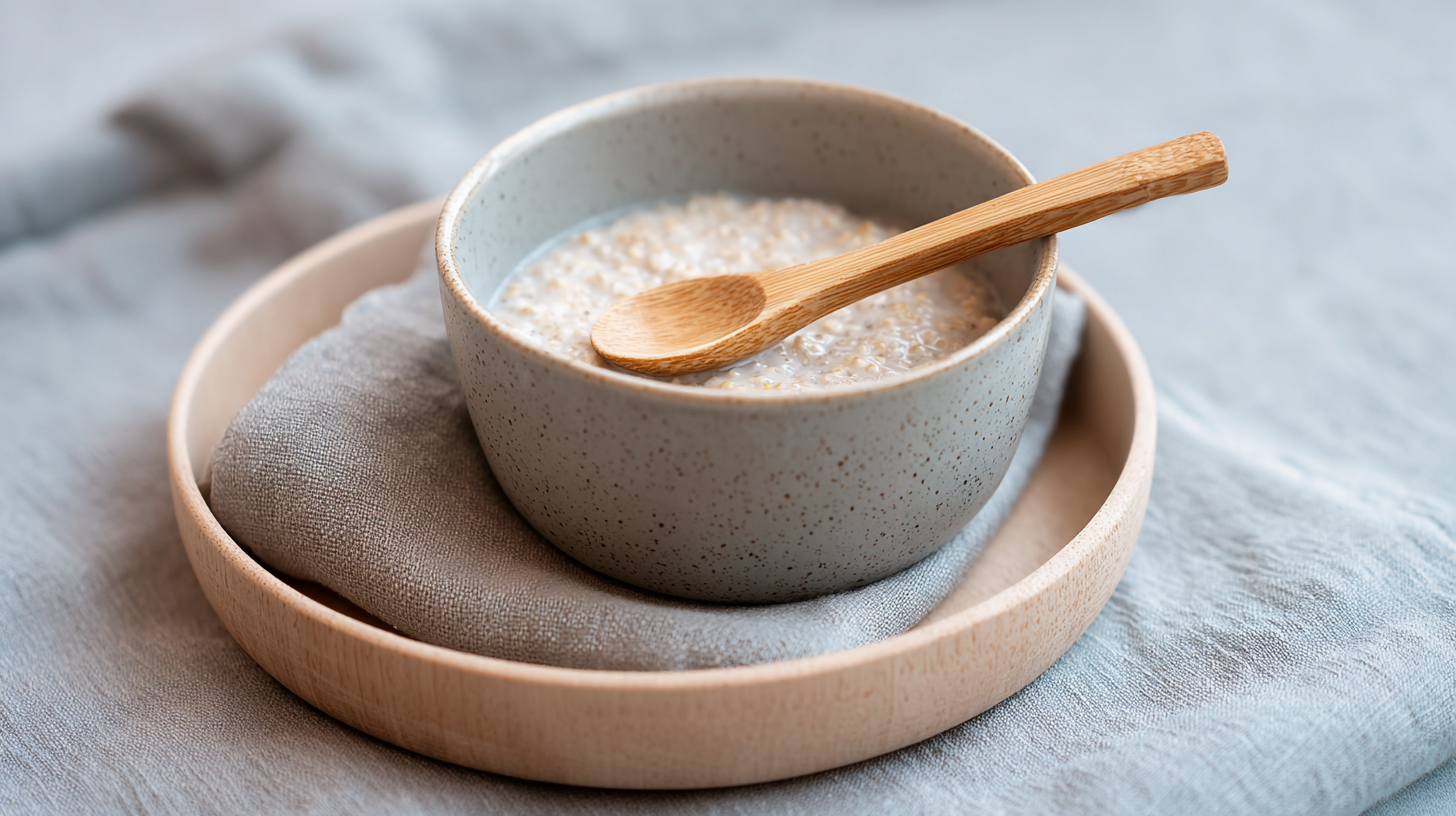
Banana and Oat Breakfast Mash
Ingredients:
- Mashed banana
- Cooked oats
- A touch of maternal milk or formula
Method:
Stir until smooth and warm.
Fish and Vegetable Soft Flake
Ingredients:
- Cooked mild fish
- Broccoli and carrot, very soft
- Spoon of cooked rice or potato mash
Method:
Combine and finely mash or chop.
Safety Notes for Parents
- Always supervise meals.
- Cut foods appropriately to avoid choking risks.
- Ensure textures match developmental readiness.
- Maintain hygiene with food preparation and storage.
- Introduce potential allergens one at a time, in age-appropriate ways.
Why Variety Matters in Early Childhood
Providing a diverse diet at this stage helps build confident eaters. Little one's learn by tasting, touching, and exploring foods. Early exposure to a wide range of food textures, colours, and flavours makes mealtime engaging while supporting the intake of important nutrients.
A well-balanced meal plan does not require complicated recipes. Simple items like toast fingers, mashed vegetables, iron rich foods, and soft grains can be combined in endless ways. What matters most is consistency, patience, and a calm feeding environment.
Final Thoughts
From six months old through the first year, little one's develop rapidly. Transitioning to solids involves curiosity, learning, and exploration. Parents can support this journey by planning gentle, balanced meals, offering a variety of textures, and maintaining milk feeds as needed. With thoughtful planning meals and a flexible approach, mealtimes can become a positive part of the day for both parent and little one.
Disclaimer
This article is for general informational purposes only and is not a substitute for personalised professional advice. Always follow guidance from your healthcare provider regarding feeding, textures, and readiness for new foods.