%201.svg)







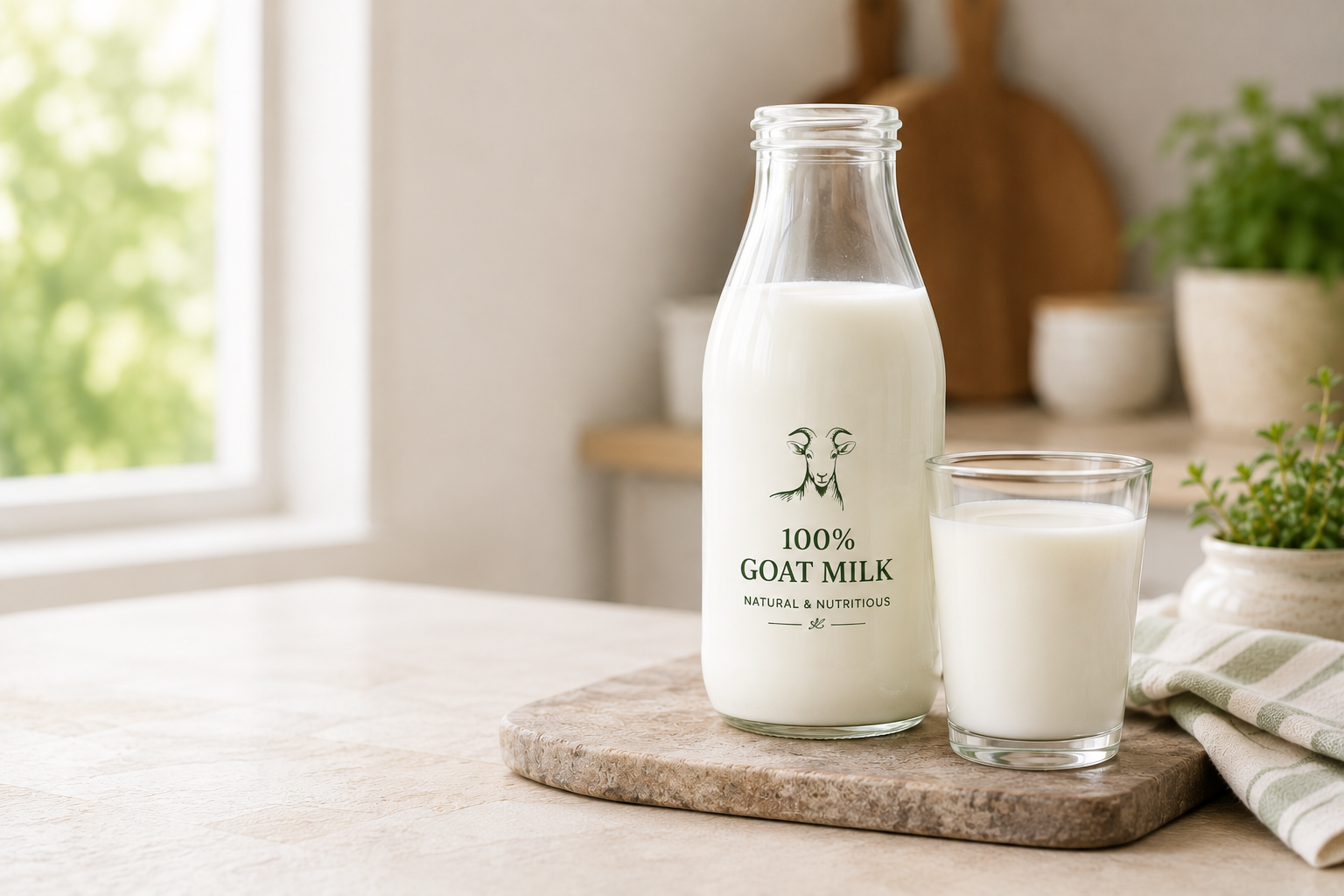
Interest in the best goat milk brand continues to grow as more consumers explore different dairy options. Goat's milk has gained popularity due to its nutritional profile, mild taste, and versatility in everyday diets. Many households now explore goat milk products as an alternative to cow milk, particularly when considering digestive comfort and dietary variety.
This article examines the quality, nutrition, production, and everyday uses of goat’s milk while maintaining an educational perspective.
Why Goat's Milk Has Gained Popularity
Over recent years, goat's milk has gained popularity among consumers seeking wholesome dairy choices. Current research suggests that approximately 65% of worldwide milk consumption involves goat milk products in various forms.
Its mild and creamy taste, nutritional profile, and digestibility continue supporting its growing popularity.
Nutritional Value of Goat's Milk
Goat's milk is a valuable source of:
- Protein
- Calcium
- Vitamin A
- Essential minerals
- Healthy fat
- Important nutrients
Current research suggests that goat milk contains higher levels of calcium and vitamin A than some other dairy products. These nutrients contribute to overall nutrition, energy levels, and general wellbeing.
Digestibility and the Digestive System
One reason goat milk has attracted attention involves the digestive system.
Research suggests:
- Goat milk contains smaller fat globules than cow milk.
- Goat milk proteins form a softer curd within the stomach.
- Goat milk proteins may digest more quickly than cow milk proteins.
- Goat milk contains less lactose than cow milk.
These characteristics may support improved digestibility for some consumers. An emerging role has been observed for goat milk in discussions regarding digestive comfort and occasional digestive issues.
A2 Protein and Nutrient Absorption
Current research suggests that goat's milk contains primarily A2 beta-casein proteins. These proteins are often discussed in relation to the digestive system.
Goat milk is also frequently recognised for its nutrient absorption characteristics. Research indicates that the combination of protein, fat, and minerals may support efficient utilisation of nutrients as part of a balanced diet.
Goat Milk Formula and Early Life Nutrition
Interest in goat milk formula and the best goat milk formula continues to increase.
Current research suggests that goat milk formula may be easier to digest than traditional cow milk formulas due to differences in protein and fat composition.
Goat milk formulas are available for both the early life stage and for older children. Some studies suggest that goat milk formula may provide nutritional characteristics similar to a maternal nutrition source.
For some little ones experiencing occasional digestive discomfort, healthcare guidance from a doctor may help determine the most suitable nutrition option.
Understanding Goat Milk Powder
Goat milk powder remains popular because it is convenient and often shelf stable.
Both whole and powdered products are commonly processed in controlled batches to help maintain quality. Powdered products may be delivered in tins, pouches, or a sealed bottle format.
Many consumers appreciate the easy storage and preparation associated with milk powder products.
Goat Breeds and Milk Production
Several dairy goats contribute to milk production around the world.
Research suggests:
- Saanen goats may produce between 300 and 2,000 kg annually.
- Alpine goats may yield approximately 950 kg during lactation.
- Lamancha goats can exceed 1,000 kg.
- Nubian goats may produce approximately 3.9 kg per day.
- Nigerian Dwarf goats may produce between 378 and 567 litres.
The farm environment, feeding practices, and animal care may influence milk quality and output.
Quality, Sourcing and Farming Practices
Many producers focus on quality, ethical sourcing, and responsible farming methods.
Current research suggests that goat milk production often involves careful management of:
- Animal welfare
- Feed quality
- Processing methods
- Small production batches
- Storage conditions
Goats are commonly raised in environments intended to support both milk quality and long-term sustainability.
Popular Goat Milk Brands
Several manufacturers have contributed to the growing awareness of goat milk products across various markets.
Examples include:
- Meyenberg
- Kiko Grow
These products may differ in formulation, ingredients, intended age groups, and processing methods. Consumers often review nutritional information, ingredient lists, and product characteristics before making purchasing decisions.
Kiko Grow and Modern Goat Milk Nutrition
Kiko Grow represents one of the newer goat milk nutrition options available to families exploring Kiko grow range. Its presence within the growing goat milk category reflects increasing consumer interest in naturally sourced dairy nutrition.
Like many goat milk products, Kiko Grow forms part of the broader discussion surrounding:
- Goat milk nutrition
- Dietary variety
- Product innovation
- Functional dairy nutrition
- Consumer choice
Current research suggests that consumers increasingly consider ingredient transparency, nutritional value, and product quality when evaluating goat milk options.
Taste and Everyday Uses
Goat's milk is frequently described as having a mild and creamy taste.
Consumers may enjoy goat milk in:
- Drinking milk
- Yogurt
- Dairy drinks
- Cooking
- Baking
- Smoothies
Many families also include goat milk products within the diets of kids and a little one as part of a balanced nutritional approach.
Making an Informed Choice
When evaluating the best goat milk brand in 2026, consumers may consider:
- Nutritional content
- Ingredient transparency
- Product quality
- Manufacturing standards
- Product availability
- Individual dietary preferences
Products such as Kiko Grow, alongside other goat milk products available in the market, contribute to the expanding range of nutritional choices available to families and consumers.
Interest in the best goat milk brand in 2026 reflects broader changes in nutrition and dairy consumption. Goat milk offers valuable nutrients, a mild taste, and multiple product formats that support dietary variety.
Products such as Kiko Grow illustrate the continued growth and diversification of the goat milk sector, contributing to wider consumer awareness and expanding nutritional options.
Disclaimer
This article is intended for educational and informational purposes only. The content does not replace personalised professional advice, medical guidance, or individual nutritional recommendations. Dietary needs vary, and readers should consult an appropriate healthcare professional regarding personal nutrition decisions.