




The early years are an important period for brain development. Between the ages of 1 and 5, children are learning new words, developing movement skills, exploring their surroundings and building social connections. Their brains require a regular supply of energy and nutrients to support these everyday processes.
For parents, choosing brain-boosting foods for children does not mean searching for one special food. Instead, a varied diet built around whole foods can provide the combination of protein, healthy fats, carbohydrates, vitamins and minerals that support brain health and overall wellbeing.
Foods such as eggs, oily fish, whole grains, leafy greens, berries, yoghurt, nuts and seeds can all contribute useful nutrients. However, children's nutritional needs vary according to age, appetite, activity levels and individual circumstances.
This guide explores practical food choices that can form part of a balanced diet for children aged 1 to 5 years old.
Why Nutrition Matters for Brain Development
The brain develops rapidly during the early years. It requires energy, protein, fats, vitamins and minerals to support the development of brain cells, connections and communication pathways.
Proper nutrition supports brain function, learning and normal physical development. A varied diet can also contribute to steady energy levels, which may help children remain engaged during play, learning and everyday activities.
Rather than focusing on individual foods, parents can look at the overall pattern of a child's diet. Meals containing whole grains, vegetables, fruit, protein foods and healthy fats can provide a broad range of essential nutrients.
What Makes a Food Brain-Friendly?
There is no single definition of a brain food. Foods generally considered useful for a child's diet tend to provide nutrients associated with normal brain development and function.
Important nutrients include:
- Omega-3 fatty acids
- Protein
- Iron
- Choline
- Folate
- Vitamin C
- Vitamin E
- Vitamin K
- Zinc
- Calcium
- Iodine
- Complex carbohydrates
The goal is not to maximise one nutrient. A balanced diet works by bringing different nutrients together over time.
Eggs Provide Choline and Protein
Eggs are a convenient source of protein and several vitamins and minerals. They are particularly useful because they contain choline, a nutrient involved in cell structure and neurotransmitter production.
A large egg contains roughly 125 mg of choline, although the exact amount can vary.
Choline has an important role in normal brain function and memory-related processes. Including eggs as part of a varied diet can therefore contribute to a child's overall nutrient intake.
Eggs can be served boiled, scrambled or incorporated into dishes such as vegetable omelettes. For younger children, preparation should be appropriate for their developmental stage.
Oily Fish and Omega-3 Fatty Acids
Omega-3 fatty acids are important components of brain development and normal brain function. One particularly important omega-3 fatty acid is docosahexaenoic acid, commonly known as DHA.
DHA is a major structural fatty acid found in brain and eye tissues. It contributes to the structure of cell membranes and is involved in normal cellular communication.
Oily fish such as salmon can provide DHA and other omega-3 fatty acids. Including suitable fish in a child's diet can therefore be one way of increasing omega-3 intake.
Current research suggests that omega-3 fatty acids have an important role in brain development, although individual dietary effects should not be overstated.
Whole Grains for Steady Energy
The brain uses glucose as an important source of energy. Whole grains provide complex carbohydrates that are digested more gradually than many highly refined carbohydrate foods.
Options include:
- Oats
- Brown rice
- Wholegrain bread
- Wholegrain pasta
- Barley
- Quinoa
Whole grains can contribute to more consistent energy availability throughout the day. This can be useful when children are moving between meals, play, school activities and rest.
A breakfast of oats with fruit and yoghurt, for example, combines carbohydrates with protein and other nutrients.
Leafy Greens and Folate
Green leafy vegetables can provide folate, vitamin K, vitamin C, carotenoids and other plant compounds.
Folate is particularly important during periods of growth because it participates in DNA synthesis and cell division. Children aged 4 to 8 years have a daily folate requirement of around 400 micrograms.
Raw spinach is a concentrated source of folate. Around 100 grams can provide a substantial portion of the daily requirement for a young child, although children may consume much smaller servings.
Other useful options include:
- Spinach
- Kale
- Broccoli
- Pak choi
- Lettuce
- Peas
Vegetables do not have to be served alone. They can be added to soups, rice dishes, omelettes, pasta sauces and other family meals.
Berries and Antioxidant-Rich Foods
Berries contain naturally occurring plant compounds called anthocyanins, as well as vitamin C and other antioxidants.
Blueberries, strawberries, raspberries and blackberries can add colour and variety to a child's diet. Research into berries and brain health has explored possible relationships with blood flow, memory and cognitive processes.
However, it is more useful to view berries as part of an overall healthy eating pattern rather than expecting one food to improve memory on its own.
Fresh or frozen berries can be added to porridge, plain yoghurt or wholegrain pancakes.
Yoghurt and the Gut-Brain Connection
The digestive system and brain communicate through a complex network often described as the gut-brain axis.
Yoghurt containing live cultures can contribute beneficial microorganisms to the diet. The gut microbiome interacts with the digestive system and may influence several aspects of general wellbeing.
Research into the gut-brain connection is developing, and current evidence suggests that nutrition, gut microorganisms and brain function are interconnected.
Plain yoghurt can be combined with fruit, oats or ground seeds for a nutrient-dense snack.
Nuts and Seeds for Healthy Fats
Nuts and seeds provide healthy fats, protein, minerals and other nutrients.
Walnuts are notable because they contain plant-based omega-3 fatty acids. Sunflower seeds provide vitamin E, while pumpkin seeds contain minerals including zinc and magnesium.
For younger children, nuts should be prepared in a safe form appropriate for their age and eating ability. Smooth nut butters can be incorporated into suitable foods where tolerated.
Vitamin E has antioxidant properties and contributes to the protection of cells from oxidative stress.
Iron for Brain Development and Oxygen Transport
Iron is an essential nutrient for normal development. It contributes to haemoglobin formation, which allows oxygen to be transported around the body.
Adequate iron intake is particularly important during periods of rapid growth.
Useful food sources include:
- Lean meat
- Eggs
- Beans
- Lentils
- Chickpeas
- Fortified cereals
- Dark leafy vegetables
Pairing plant sources of iron with vitamin C-rich foods can support iron absorption. For example, beans can be served with tomatoes, peppers or citrus fruit.
Vitamin C-Rich Fruits
Vitamin C contributes to normal immune function and also helps the body absorb iron from plant foods.
Citrus fruits, strawberries, kiwi, tomatoes and peppers are useful sources.
A colourful fruit plate can provide a combination of vitamin C, carbohydrates, water and plant compounds while making meals more appealing to children.
Fruit can also be paired with protein or healthy fats to create a more balanced snack.
Healthy Fats and Brain Development
Healthy fats are an important component of a child's diet. Fat provides concentrated energy and contributes to normal cell structure.
Some dietary fats also provide essential fatty acids that the body cannot produce in sufficient quantities.
Useful sources include:
- Oily fish
- Avocado
- Nuts
- Seeds
- Eggs
- Olive oil
- Nut butters
The emphasis should be on variety rather than eliminating particular food groups.
Why Blood Sugar Balance Matters
Children's brains require a continuous supply of energy. Meals dominated by highly refined carbohydrates and added sugars may provide energy quickly but may not offer the same nutritional variety as meals based on whole foods.
Combining complex carbohydrates with protein, fibre and healthy fats can create more balanced meals.
For example:
Oats + yoghurt + berries + seeds
provides carbohydrates, protein, healthy fats, fibre and several vitamins and minerals.
Similarly:
Wholegrain toast + egg + avocado + tomato
combines several food groups in one simple meal.
Dark Chocolate and Cocoa
Cocoa contains naturally occurring flavonoids and antioxidant compounds. Research in adults has explored cocoa and blood flow, including circulation to the brain.
However, chocolate products can also contain significant amounts of added sugar. For children aged 1 to 5 years old, cocoa-containing foods are best considered an occasional part of a varied diet rather than a primary brain food.
If cocoa is used, unsweetened cocoa powder can be incorporated into suitable recipes in small amounts.
Turmeric and Plant Compounds
Turmeric contains curcumin, a naturally occurring plant compound that has been extensively studied for its antioxidant properties.
Laboratory research has investigated curcumin and cellular oxidative stress, but these findings should not be interpreted as proof that turmeric directly improves children's brain function.
Turmeric can still be used as a flavouring ingredient in family meals, adding colour and variety without making health promises.
The Importance of Protein
Protein provides amino acids required for growth, tissue development and many bodily functions.
Children can obtain protein from a variety of foods, including:
- Eggs
- Fish
- Chicken
- Lean meat
- Beans
- Lentils
- Yoghurt
- Cheese
- Tofu
- Nuts and seeds
A balanced meal does not need a large serving of protein. A suitable portion combined with vegetables and a carbohydrate source can provide a practical meal structure.
Calcium and Vitamin D
Calcium contributes to normal bone and teeth development. Vitamin D helps the body absorb and use calcium.
Milk, yoghurt and cheese can provide calcium, while certain fortified foods can contribute vitamin D.
Children's diets should include a range of calcium-containing foods according to their age and individual nutritional needs.
Outdoor activity also provides opportunities for movement and exposure to natural daylight.
Folic Acid and Folate
Folate is important for cell division and normal development.
Children aged 4 to 8 years require approximately 400 micrograms of dietary folate equivalents per day. Good food sources include leafy green vegetables, beans, peas, citrus fruits and fortified foods.
Rather than relying on one food, parents can include several folate-containing foods across the week.
Spinach, for example, can be added to eggs, pasta, rice dishes or soups.
Vitamin E for Cellular Protection
Vitamin E acts as an antioxidant and contributes to the protection of cells from oxidative stress.
Sources include:
- Sunflower seeds
- Almonds
- Hazelnuts
- Avocado
- Plant oils
- Spinach
Research has associated vitamin E intake with various aspects of cognitive health, particularly in older populations. For children, the priority should simply be obtaining adequate vitamin E from a varied diet.
Foods That Support Concentration
Concentration depends on many factors, including sleep, activity, environment, development and nutrition.
A child-friendly meal supporting steady energy might include:
- Wholegrain carbohydrates
- Protein
- Fruit or vegetables
- Healthy fats
- Water
For example, overnight oats with plain yoghurt, berries and ground seeds can provide carbohydrates, protein, fibre and healthy fats.
A balanced breakfast may be more useful than focusing on a single food marketed as a brain enhancer.
Building Healthy Eating Habits Early
Nutrition is not only about individual nutrients. Eating habits developed during childhood can influence food preferences and family routines.
Parents can encourage healthy eating by:
- Eating meals together when possible
- Offering different colours and textures
- Introducing new foods gradually
- Avoiding pressure to finish everything
- Keeping nutritious foods accessible
- Limiting foods high in added sugars
- Allowing children to participate in simple meal preparation
Repeated exposure can help children become familiar with foods they initially reject.
Hydration and Brain Function
Water is important for normal bodily function and hydration status can influence energy, attention and physical wellbeing.
Children should have regular access to water throughout the day, particularly during warm weather and physical activity.
Water is generally a practical primary drink between meals. Milk and other nutrient-containing drinks can contribute to the overall diet according to individual needs.
What About Added Sugar?
Added sugars can increase the energy content of foods without providing the same range of essential nutrients found in whole foods.
Frequent intake of highly sweetened foods may also make it harder for children to develop preferences for less sweet flavours.
Rather than completely removing sweet foods, parents can focus on balance. Fruit, yoghurt, oats and homemade snacks can provide naturally occurring sweetness alongside useful nutrients.
A Simple Brain-Friendly Meal Pattern
Parents do not need complicated recipes to create nutrient-rich meals.
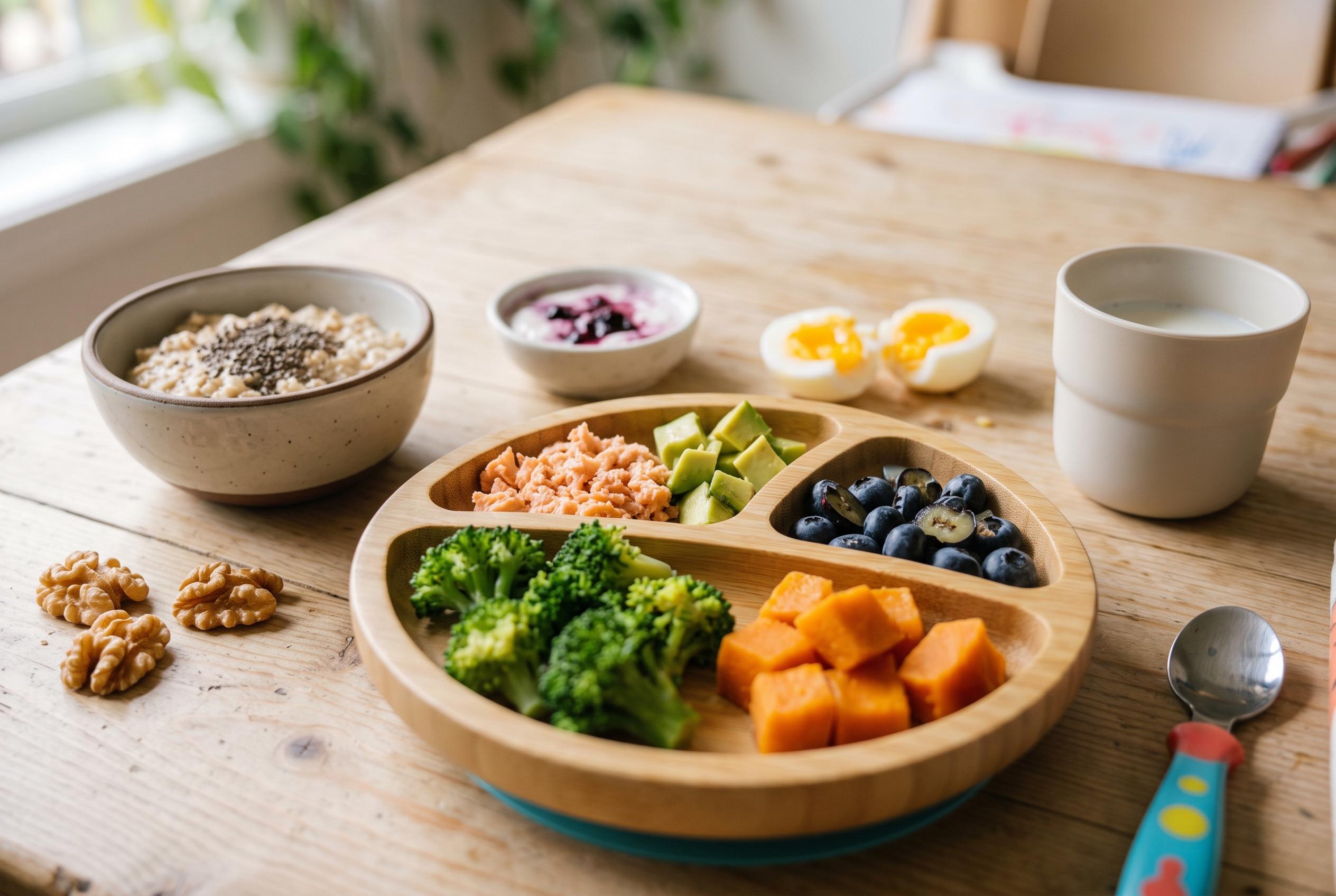
A simple plate can include:
One carbohydrate:
Whole grains, oats, brown rice or potatoes.
One protein:
Eggs, fish, chicken, beans, lentils or yoghurt.
One or two colourful plants:
Fruit or vegetables.
One healthy fat source:
Avocado, seeds, nuts or suitable plant oils.
A drink:
Water or an age-appropriate nutritious drink.
This structure provides a flexible way to include multiple nutrients without turning meals into a complicated calculation.
Example Breakfast Ideas
Breakfast can combine several food groups.
Examples include:
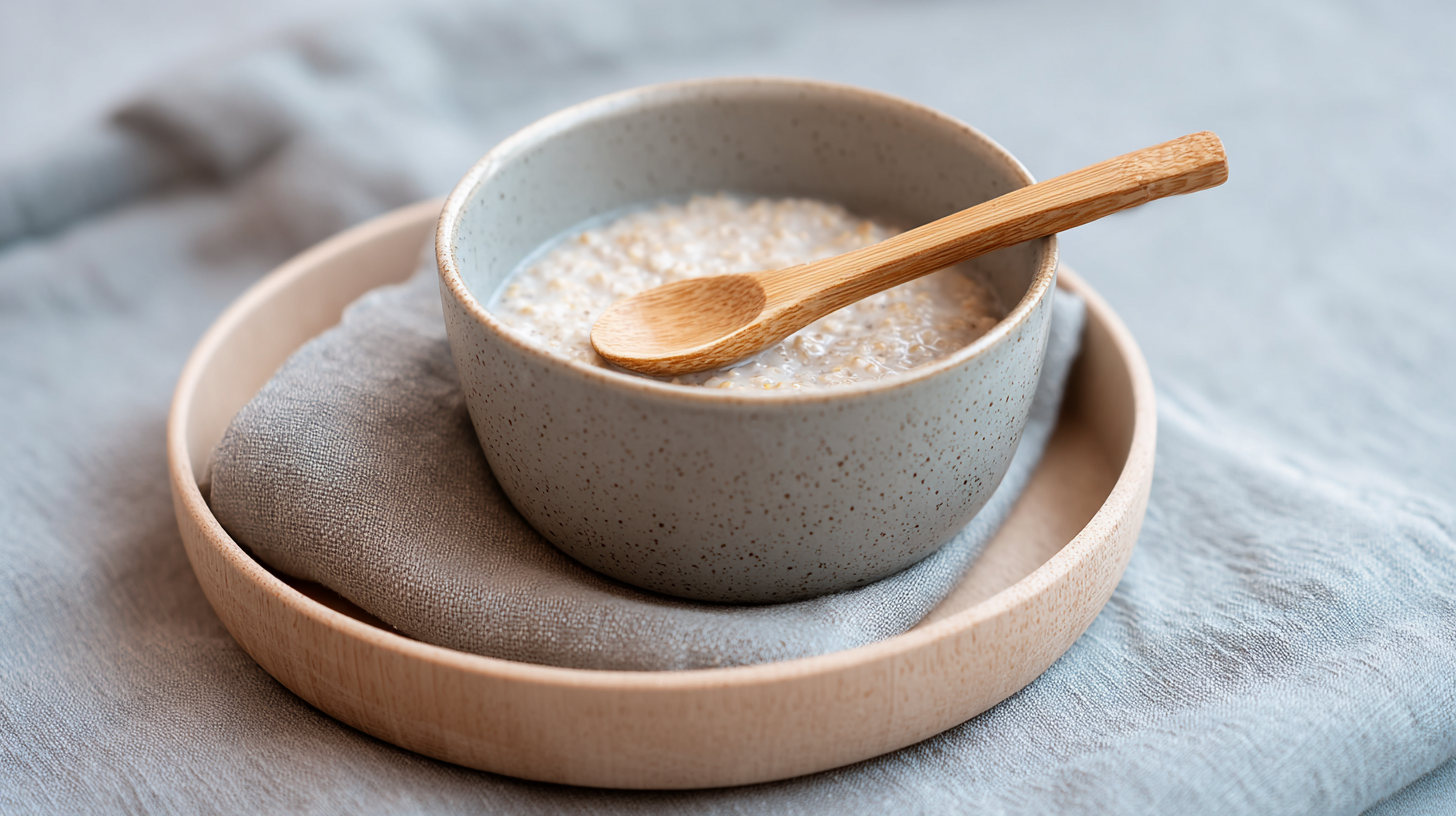
- Porridge with berries, yoghurt and ground seeds.
- Scrambled egg with wholegrain toast and avocado.
- Plain yoghurt with oats, banana and nut butter where appropriate.
- Wholegrain pancakes with berries and plain yoghurt.
- Oatmeal with chopped fruit and seeds.
These combinations provide carbohydrates alongside protein, fats and micronutrients.
Example Lunch Ideas
Lunch can follow the same balanced approach.
Examples include:
- Brown rice with chicken and vegetables
- Wholegrain pasta with tomato sauce, beans and spinach
- Egg sandwich with cucumber and fruit
- Lentil soup with wholegrain bread
- Baked fish with potatoes and vegetables
The objective is variety rather than perfection.
Example Snack Ideas
Snacks can help children meet their nutritional needs between meals.
Useful options include:
- Fruit with plain yoghurt
- Wholegrain toast with nut butter
- Vegetable sticks with hummus
- Cheese with fruit
- Oat-based homemade snacks
- Banana with yoghurt
- Wholegrain crackers with avocado
Snacks containing both carbohydrates and protein may provide a more balanced option than highly sweetened snack foods.
Foods to Limit Rather Than Focus On
A child's diet does not need to be completely free from treats.
However, foods and drinks high in added sugars, highly processed snack foods and heavily sweetened beverages are best kept as occasional choices.
The overall dietary pattern matters more than one individual meal.
A child who occasionally eats chocolate or a sweet snack can still have a nutritious diet when most meals contain a broad variety of whole and minimally processed foods.
Creating Variety Across the Week
Children do not need every nutrient in perfect proportions at every meal.
Appetite can change considerably from day to day. One day a child may eat plenty of vegetables, while another day they may prefer carbohydrates or fruit.
Looking at variety across the week can reduce unnecessary pressure at mealtimes.
Parents can rotate foods such as:
- Salmon
- Eggs
- Chicken
- Beans
- Lentils
- Oats
- Brown rice
- Spinach
- Broccoli
- Berries
- Citrus fruits
- Yoghurt
- Nuts and seeds
This approach naturally introduces different nutrients and flavours.
Supporting Memory Through Overall Nutrition
Memory is influenced by development, sleep, learning opportunities, physical activity and many other factors.
Nutrition contributes by supplying the building blocks needed for normal brain structure and function.
Choline from eggs, omega-3 fatty acids from oily fish, iron from protein-rich foods and folate from leafy greens are examples of nutrients involved in processes relevant to brain development.
Rather than searching for a food that can "improve memory", parents can focus on providing regular, balanced meals.
Supporting Focus and Learning
Children often have busy days filled with play, learning and social interaction.
Meals containing whole grains, protein, fruit or vegetables and healthy fats can provide a broad nutrient profile while helping children maintain regular eating patterns.
Whole grains can release glucose more gradually than many refined carbohydrate foods. This can help provide a steady source of energy during activities that require attention.
Adequate sleep and hydration are equally important parts of a child's daily routine.
The Role of Healthy Fats
Healthy fats are particularly relevant during the early years because fats provide energy and contribute to normal cell structure.
Omega-3 fatty acids, including DHA, are important components of brain tissue.
Oily fish, walnuts and selected seeds can contribute omega-3 fatty acids to the diet. The type and amount of omega-3 varies between foods, so variety remains useful.
Brain Health Is About the Whole Diet
There is no single food that can provide everything a developing child needs.
The most practical approach to brain-boosting foods for children is to create a varied eating pattern that includes:
- Whole grains
- Fruit
- Vegetables
- Eggs
- Fish
- Lean protein
- Dairy or suitable alternatives
- Nuts and seeds
- Healthy fats
- Plenty of water
These foods provide different combinations of protein, carbohydrates, fats, vitamins, minerals and plant compounds.
A Practical Daily Checklist
Parents can use a simple checklist rather than counting every nutrient.
Ask:
- Did my child have a source of protein?
- Were fruit and vegetables offered?
- Was there a wholegrain or other nutrient-rich carbohydrate?
- Were healthy fats included?
- Was there a source of calcium?
- Were iron-rich foods offered?
- Did my child have regular access to water?
- Was there enough variety across the day?
If the answer is generally yes, the diet is likely providing a useful foundation for healthy growth and development.
Brain-boosting foods for children are best understood as part of a balanced dietary pattern rather than special foods that produce immediate changes in learning or memory.
Eggs can provide choline and protein. Oily fish can provide omega-3 fatty acids such as DHA. Whole grains provide complex carbohydrates, while leafy greens provide folate and other nutrients. Berries, vegetables, nuts, seeds, yoghurt and fruit can add further vitamins, minerals, fibre and plant compounds.
For children aged 1 to 5 years, variety, regular meals and age-appropriate portions are more useful than focusing on a single nutrient.
Current research supports the importance of good nutrition for normal brain development and cognitive function. Alongside nutritious food, children also benefit from adequate sleep, physical activity, hydration, play and positive family routines.
The aim is not perfection. A colourful, varied and balanced diet, introduced through enjoyable family meals, can provide a strong nutritional foundation during the important early years.
Disclaimer
This article is provided for educational purposes only and does not replace personalised professional advice. Children's nutritional needs can vary according to age, development, dietary pattern and individual circumstances. Parents should seek personalised guidance from an appropriately qualified healthcare professional when they have concerns about nutrition, growth, development, food allergies or dietary requirements.