%201.svg)








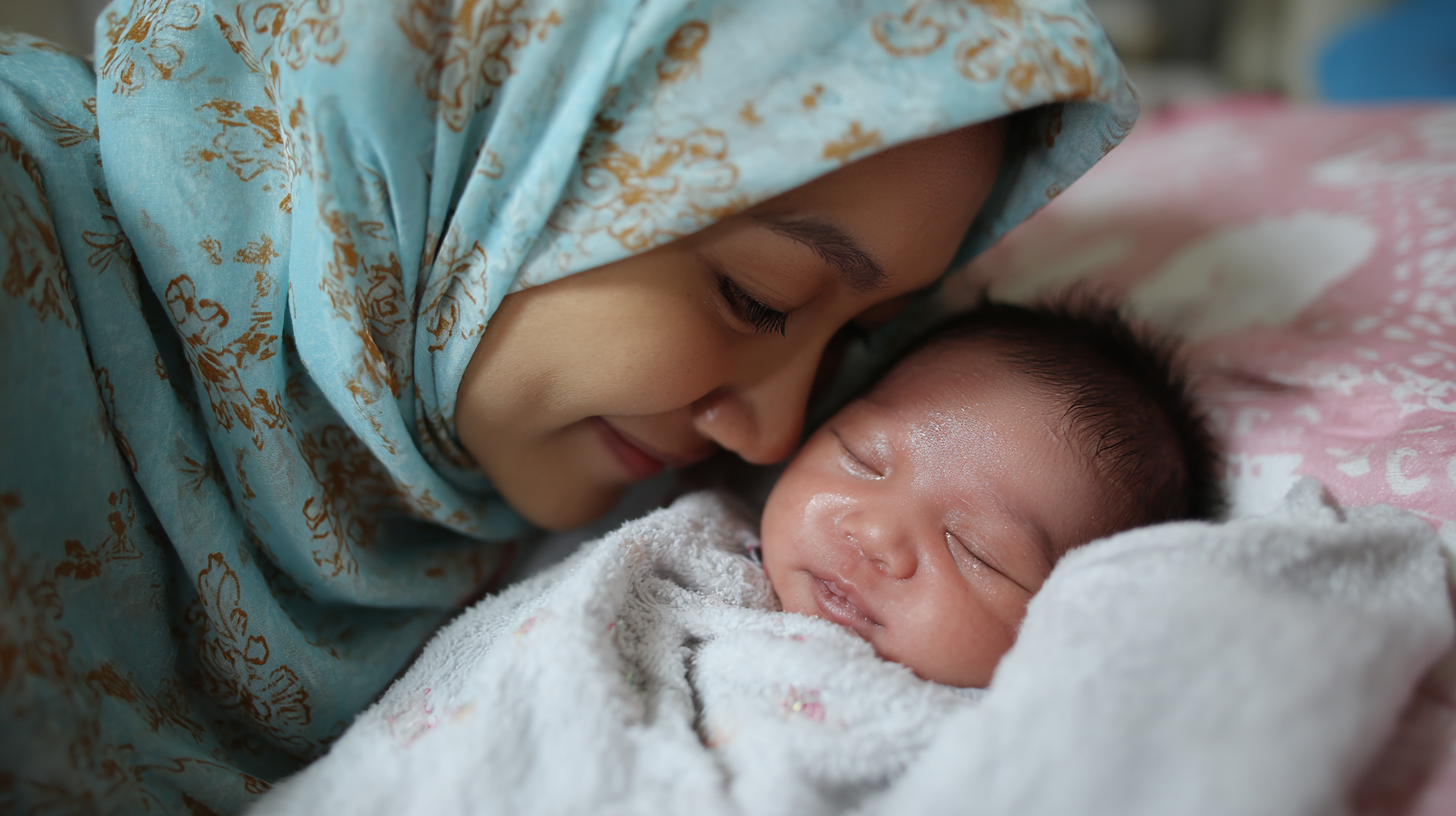
Maternal feeding is one of the most natural and powerful ways to nurture your little one's in the first months of life. To Maternal feed your little one's allows them to receive human Maternal milk, which is rich in vital nutrients, immune-protective compounds, and provides emotional comfort. Maternal milk contains everything your little one's needs to grow and develop. The act of maternal feeding is not only a source of food but also a deep connection between mothers and little one's.
The World Health Organization recommends exclusive Maternal feeding for the first six months of life, followed by continued maternal feeding alongside appropriate complementary foods for up to two years or beyond. The American Academy of Pediatrics also recommends continued maternal feeding for up to 2 years or longer. This approach offers the greatest nutritional benefits, supporting the little one's health, development, and immunity, and lowers the risk of many common childhood illnesses. Mothers also experience significant advantages, and the benefit of maternal feeding extends to both the little one's and mother's health.
Maternal feeding also provides important benefits for women after pregnancy, supporting postpartum recovery and overall well-being. Additionally, maternal feeding may help lower the risk of postpartum depression in mothers.
What Does Maternal feed Mean?
To maternal feed is to nourish your little one's with maternal milk directly from the mother’s body. This process begins shortly after birth, as the little one's is placed close to the maternal to stimulate milk flow. Healthcare providers advise to start maternal feeding immediately after birth if possible. The little one's mouth must be open wide to latch properly, ensuring a big mouthful and a good seal around the maternal tissue. A proper latch allows the little one's to draw maternal milk effectively and stimulates milk supply.
How Do You Maternal feed?
Maternal feeding mothers can follow these tips for successful nursing:
- Hold your little one's close: Skin-to-skin contact helps stimulate milk flow and comforts your newborn.
- Ensure a good latch: The little one's lips should form a seal, with the mouth wide open, covering more of the areola below the nipple.
- Feed on demand: Most little one's need to nurse every 2–3 hours, especially in the first few days.
- Alternate : Switching sides helps stimulate milk supply evenly.
- Seek advice from a lactation consultant: For maternal feeding difficulties, expert support can make a huge difference.
A lactation consultant can also help if you're facing challenges like low milk supply, maternal pain, or slow weight gain in your little one's.
What Are the Benefits of Maternal feeding by Month?
Maternal feeding provides age-appropriate nutrition tailored to your little one's development:
- Month 1–2: Boosts immunity with colostrum and antibodies, protects against ear infections and respiratory illnesses.
- Month 3–4: Supports healthy growth and brain development with natural fats and vitamins.
- Month 5–6: Prepares the little one's for complementary foods, continues to promote digestive health.
- Month 6 and beyond: Contributes to lower risk of obesity, diabetes, and infections, especially when combined with healthy feeding habits.
Maternal feeding recommendations and growth standards are designed to support children from little one's through early childhood. These guidelines help ensure that children receive optimal nutrition and health benefits as they grow.
How Is Growth Assessed for Maternal fed Little One's?
Maternal fed little one's grow at their own pace, and it’s important to use the WHO growth standards when assessing their development. Normal weight gain for a maternal fed little one's is between 20 and 30 grams per day or between 150 and 210 grams per week. Growth should be evaluated by:
- Weight gain patterns over time
- Length/height for little one's age
- Head circumference
Doctors or lactation consultants can help interpret growth charts and offer support if your little one's isn’t gaining weight or feeding efficiently.
Certain medical conditions can affect maternal feeding and little one's growth. If you have concerns about your little one's development or your own health, consult a healthcare provider. Certain medical conditions or prior surgeries can impact your body's process of producing and releasing milk.
It’s also important to know that formula fed little one's and exclusively maternal fed little one's may grow at different rates. Human milk provides optimal nutrition with perfectly balanced proteins, fats, and carbohydrates, designed to meet the unique needs of little one's. If maternal feeding isn't doable for you, you should talk to your little one's pediatrician about the best formula for your little one's.
Safety and Storage of Human Milk
For many maternal feeding mothers, expressing and storing maternal milk is an essential part of supporting their little one's nutrition—especially when returning to work or needing to be away from their little one. Proper handling and storage of human milk help ensure that maternal fed little one's continue to receive all the nutritional benefits and immune protection that maternal milk provides. The Transportation Security Administration allows air travelers to bring maternal milk, formula, and juice over 3.4 ounces in their carry-on baggage.
To keep your milk supply safe and fresh, always use clean, sterilized containers for collecting and storing maternal milk. After expressing, label each container with the date and time, so you can use the oldest milk first and keep track of your little one's feeds. Maternal milk can be safely stored in the refrigerator for up to three to five days, or in the freezer for up to six to twelve months. When it’s time to feed your little one's, gently swirl the milk to mix the fat, and avoid using the microwave, which can create hot spots and damage valuable nutrients.
If you encounter maternal feeding difficulties, such as low milk supply or concerns about whether your little one's is getting enough milk, don’t hesitate to seek advice from a lactation consultant. These professionals can offer personalised maternal feeding support and practical solutions to help you continue maternal feeding successfully. Frequent feeding and ensuring a good latch—with your little one's mouth wide open and the upper lip curled up—can help maintain healthy milk flow and support your milk ducts.
Remember, every mother’s journey is unique. Whether you are exclusively maternal feeding, combining maternal feeds with other foods, or navigating the weaning process, prioritizing safe milk storage and ongoing maternal feeding support will help you and your little one's thrive and enjoy the lifelong health benefits of human milk.
When to Stop Maternal feeding?
The weaning process is personal and depends on the mother’s and little one's needs. Some mothers continue to maternal feed through toddlerhood, while others choose to stop maternal feeding earlier.
Key signs that your little one's is ready to wean:
- Eating more complementary foods
- Losing interest in most feeds
- Sleeping through the night without needing to feed
Always make gradual changes and seek advice from a healthcare professional if you’re unsure.
Conclusion: Maternal feeding Supports Lifelong Health
To maternal feed is to provide your child with the best possible start in life. From building the little one's immune system to promoting a strong mother-child bond, maternal feeding supports lifelong health and emotional well-being.
Whether you’re a first-time mother or navigating extended maternal feeding, remember that every child and little one's is different. Supporting women in their maternal feeding journey is essential, as both mother and little one's benefit from important health advantages related to maternal feeding. With the right support, tools, and information, you can create a maternal feeding journey that works for both you and your little one's.