%201.svg)









Understanding children's nutrition and digestive comfort is an important part of supporting everyday wellbeing and healthy development. A balanced approach to nutrition helps provide the essential nutrients required for normal growth, energy levels, learning, and an active lifestyle.
Current research suggests that a varied balanced diet, regular physical activity, and consistent eating routines contribute to both digestive health and overall health. Rather than relying on a single food, parents and caregivers can encourage healthy eating patterns by offering a wide variety of nutritious meals throughout childhood.
This article explores practical ways to support children's nutrition and digestive comfort, while discussing healthy food choices, digestive wellbeing, and the role of goat milk within a balanced dietary pattern.
Why Children's Nutrition Matters
Nutrition during childhood supports healthy growth, growth and development, and everyday wellbeing.
Current research suggests that children benefit from a diet containing foods from all major food groups, including:
- Fruits and vegetables
- Whole grains
- Dairy foods
- Lean protein sources
- Healthy fats
Providing a variety of foods helps children obtain important vitamins, minerals, protein, and other nutrients needed for normal body function.
A nutritious eating pattern also supports positive eating habits that may continue into later life.
Building a Balanced Diet
A balanced diet provides energy together with a wide range of nutrients.
Parents can include:
- Whole grains
- Fresh fruit
- Vegetables
- Dairy products
- Beans
- Eggs
- Fish
- Lean meat
Current research suggests that combining foods from different food groups contributes to overall nutritional balance and supports overall well being.
Rather than focusing on individual foods, encouraging dietary variety remains one of the most effective ways to promote healthy eating.
Healthy Eating Starts at Home
Healthy eating habits often begin within the home environment.
Regular family mealtimes provide opportunities for children to observe positive eating behaviours and become familiar with different foods.
Current research suggests that children often learn through observation. When the whole family enjoys balanced meals together, children are more likely to develop lifelong healthy habits.
Parents can also involve children in simple food preparation activities, helping them become more interested in trying new foods.
Supporting a Healthy Digestive System
The digestive system plays an important role in breaking down food and absorbing nutrients.
Current research suggests that a healthy digestive system supports:
- Nutrient absorption
- Energy production
- Normal bowel movement
- Everyday comfort
A varied diet rich in fibre, fluids, and nutritious foods contributes to maintaining normal digestive function.
Gut Health and the Gut Microbiome
Interest in gut health has increased significantly in recent years.
The digestive tract contains trillions of microorganisms collectively known as the gut microbiome.
Current research suggests that maintaining a diverse population of gut bacteria and beneficial bacteria contributes to normal digestive processes.
An emerging role has also been observed regarding the relationship between gut health, nutrition, and general wellbeing.
Foods That Support Digestive Health
Several foods naturally contribute to digestive health.
Examples include:
- Fresh fruit
- Vegetables
- Whole grains
- Beans
- Oats
- Brown rice
- Whole grain bread
- Wholegrain bread
- Whole grain pasta
- Grain pasta
- Fermented foods
These foods provide fibre together with vitamins and minerals that support normal digestive function.
Current research suggests that fibre rich foods may contribute to regular bowel movements as part of a balanced dietary pattern.
The Importance of Fibre
Fibre is an important component of many nutritious foods.
Including fibre rich foods regularly may help support:
- Normal digestion
- Healthy bowel function
- A diverse gut microbiome
- Everyday digestive comfort
Parents can gradually increase fibre intake by offering:
- Apples
- Pears
- Bananas
- Berries
- Wholegrain cereals
- Brown rice
- Whole grain bread
Adequate fluid intake is equally important when increasing dietary fibre.
Encouraging Children to Eat Healthy Foods
Many parents wonder how to encourage children to enjoy healthier meals.
Helpful strategies include:
- Offering a variety of colours and textures
- Serving familiar foods alongside new foods
- Allowing children to explore foods without pressure
- Maintaining consistent meal routines
- Eating together as a family
Current research suggests that repeated exposure may help children become more comfortable trying unfamiliar foods over time.
Developing positive eating experiences supports lifelong healthy habits rather than focusing on short-term outcomes.
Healthy Snacks Between Meals
Nutritious snacks can complement three meals throughout the day.
Healthy snack ideas include:
- Fresh fruit
- Natural yoghurt
- Wholegrain crackers
- Cheese
- Vegetable sticks
- Oat-based snacks
Choosing healthy snacks helps maintain steady energy levels between meals while contributing valuable nutrients.
Parents can reduce reliance on highly processed snack foods by preparing simple options at home.
Minimally Processed Foods and Whole Foods
Current research suggests that diets rich in whole foods and minimally processed foods contribute to balanced nutrition.
Examples include:
- Fresh fruit
- Vegetables
- Whole grains
- Dairy foods
- Eggs
- Beans
- Nuts
- Fish
Limiting frequent intake of processed foods and ultra processed foods may help support healthier dietary patterns over time.
The focus should remain on overall eating habits rather than occasional food choices.
Essential Nutrients for Healthy Growth
Children require a variety of nutrients to support child's growth and normal development.
Important nutrients include:
- Protein
- Calcium
- Iron
- Zinc
- Vitamin A
- Vitamin D
- B vitamins
Current research suggests that these nutrients contribute to brain development, red blood cells, bone health, and normal body function.
Including foods from a wide variety of food groups helps provide these nutrients naturally.
The Role of Calcium and Vitamin A
Calcium and vitamin A remain two particularly important nutrients during childhood.
Current research suggests that enough calcium supports normal bone development, while vitamin A contributes to normal vision, immune function, and healthy growth.
Milk, yoghurt, cheese, leafy vegetables, and other nutrient-rich foods can all contribute to daily calcium intake as part of a balanced eating pattern.
Nutrition Beyond Individual Foods
No single food provides everything needed for lifelong wellbeing.
Current research suggests that overall dietary patterns have a greater influence on health than individual foods alone.
Parents can support children's nutrition and digestive comfort by combining:
- Healthy eating
- Regular physical activity
- Adequate hydration
- Consistent sleep
- Positive family routines
Together, these lifestyle habits provide a strong foundation for long-term wellbeing and healthy development.
Goat Milk and Children's Nutrition
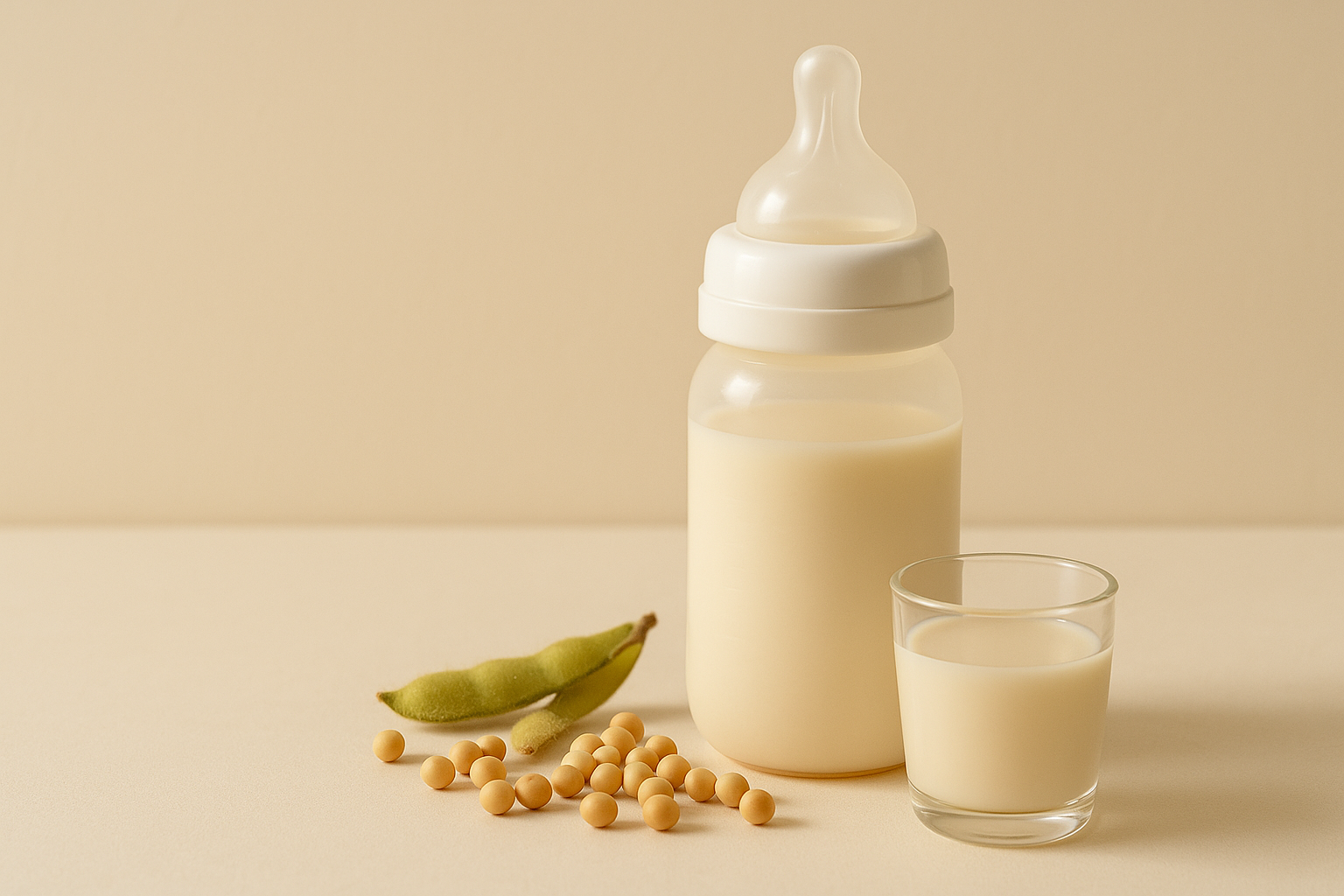
Goat milk has become an area of interest for many families exploring nutritious dairy options. Current research suggests that goat milk provides a variety of naturally occurring nutrients, including protein, calcium, phosphorus, potassium, magnesium, and vitamin A.
As part of a balanced diet, goat milk may contribute to overall nutritional intake alongside fruits, vegetables, whole grains, and other healthy foods.
It is important to remember that no single food provides every nutrient needed for healthy growth. Instead, dietary variety remains the foundation of good nutrition.
Goat Milk and Digestive Comfort
One reason goat milk receives attention is its relationship with digestive comfort.
Current research suggests that goat milk contains:
- Smaller fat molecules
- Naturally occurring medium chain fatty acids
- Goat milk proteins with a distinctive protein composition
- Softer casein curds during digestion
These natural characteristics may contribute to goat milk being easier to digest for some individuals.
However, digestive experiences differ between people, and dietary choices should always reflect individual needs.
Goat Milk Proteins and Digestion
The goat milk proteins found in goat milk differ slightly from those commonly found in cow's milk.
Current research suggests that goat milk contains a higher proportion of A2 beta-casein proteins and lower levels of αs1-casein.
This protein structure allows goat milk to form softer, looser curds during digestion.
An emerging role has been observed regarding the relationship between these characteristics and digestive comfort, although responses vary from person to person.
Goat Milk and Gut Health
Supporting a healthy gut begins with balanced eating habits rather than relying on one particular food.
Current research suggests that goat milk naturally contains more milk oligosaccharides than cow's milk. These naturally occurring carbohydrates may contribute to discussions surrounding gut health and the gut microbiome.
When combined with:
- Fermented foods
- Whole grains
- Fresh fruit
- Vegetables
- Fibre-rich foods
goat milk can form part of a varied dietary pattern that supports digestive wellbeing.
Essential Nutrients for Healthy Growth
Growing children require many nutrients every day.
Current research suggests that goat milk naturally provides:
- High-quality protein
- Calcium
- Potassium
- Magnesium
- Phosphorus
- Vitamin A
Goat milk also contains approximately 1.5 times more potassium than cow's milk, together with naturally occurring minerals that contribute to normal body function.
These nutrients support healthy growth, growth and development, and everyday nutritional balance as part of a varied diet.
Bone Health and Calcium
Calcium remains one of the most important nutrients during childhood.
Current research suggests that goat milk naturally contains more calcium than cow's milk, while one serving can contribute significantly towards daily calcium intake.
Together with phosphorus and magnesium, calcium contributes to:
- Bone health
- Normal muscle function
- Healthy teeth
- Skeletal development
Including calcium-rich foods from different food groups helps support balanced nutrition throughout childhood.
Iron, Vitamins and Red Blood Cells
Children also require sufficient iron and vitamins to support normal growth.
Current research suggests that commercially prepared goat milk products are fortified with important nutrients such as:
- Iron
- Vitamin D
- Folate
- Additional vitamins
Iron contributes to the normal formation of red blood cells, while vitamin D supports normal calcium utilisation.
Providing a varied diet remains the most effective way to obtain these nutrients.
Goat Milk and the Immune System
Nutrition contributes to normal immune system function.
Current research suggests that goat milk provides nutrients including:
- Protein
- Vitamin A
- Zinc
- Selenium
- Calcium
These nutrients contribute to normal physiological functions when consumed as part of a balanced diet.
An emerging role has been observed regarding the relationship between overall nutrition and immune wellbeing.
Goat Milk and Healthy Eating Habits
Healthy nutrition extends beyond individual ingredients.
Parents can encourage healthy eating by:
- Offering regular three meals
- Providing nutritious snacks
- Introducing new foods
- Maintaining family mealtimes
- Encouraging children to drink enough water
Repeated exposure to different foods helps many children become more willing to explore varied flavours and textures.
Supporting Picky Eaters
Many families experience challenges with picky eaters.
Current research suggests that pressure-free exposure to foods often encourages gradual acceptance.
Helpful approaches include:
- Offering small portions
- Including favourite foods alongside unfamiliar choices
- Allowing children to participate in meal preparation
- Maintaining calm mealtime routines
Parents should remember that preferences naturally change as children grow.
Goat Milk Formula and Early Life Nutrition
Commercially prepared goat milk formula has become an additional nutritional option during the early life stage.
Current research suggests that these products are formulated with:
- Iron
- Folate
- Vitamin D
- Essential vitamins
- Other nutrients required for growth
Goat milk formula and cow's milk formula both provide complete nutrition when commercially prepared and appropriately fortified.
Fresh, unmodified goat milk should not replace specially prepared nutrition during the early life stage because it does not naturally provide the full nutritional balance required.
Goat milk formula may be appropriate for some little ones depending on individual circumstances. However, it is not suitable for children with a diagnosed cow's milk allergy, as many also react to goat milk proteins because of their similarity.
Physical Activity and Overall Wellbeing
Nutrition works best alongside an active lifestyle.
Current research suggests that regular physical activity contributes to:
- Healthy muscles
- Strong bones
- Energy balance
- Healthy weight
- Overall wellbeing
Combining nutritious meals with regular movement helps establish lifelong healthy habits that can continue into adulthood.
A Whole-Family Approach
Healthy eating is easier when everyone participates.
Parents can support children's nutrition and digestive comfort by creating routines that include:
- Balanced meals
- Nutritious snacks
- Plenty of fruits and vegetables
- Whole grains
- Dairy foods
- Regular family mealtimes
- Active lifestyles
When the whole family follows positive eating habits, children are more likely to develop lifelong healthy relationships with food.
Practical Meal Ideas for Everyday Nutrition
Supporting children's nutrition and digestive comfort does not require complicated recipes. Small, consistent improvements to everyday meals can contribute to balanced nutrition and healthy eating habits.
Examples of nutritious meals include:
Breakfast
- Wholegrain cereal with milk
- Wholegrain toast with eggs
- Fresh fruit
- Yoghurt with oats
Lunch
- Brown rice with lean protein and vegetables
- Whole grain pasta with tomato-based sauce
- Wholegrain bread sandwiches with vegetables
Dinner
- Grilled fish or lean meat
- Leafy vegetables
- Brown rice or whole grains
- Fresh fruit for dessert
These meals combine foods from different food groups, helping children receive a variety of essential nutrients throughout the day.
Encouraging Healthy Eating Without Pressure
Many parents worry when a child eats only a limited variety of foods.
Current research suggests that positive encouragement is often more effective than pressure.
Helpful approaches include:
- Offering small portions
- Presenting familiar foods with new foods
- Keeping mealtimes enjoyable
- Avoiding distractions during meals
- Allowing children enough time to finish eating
Some children may need repeated exposure to a food before accepting it. In many cases, willingness to try new foods develops gradually over time.
Healthy Drinks and Hydration
Hydration is an important part of digestive comfort and overall wellbeing.
Water should remain the main everyday drink.
Milk and other nutritious beverages may also contribute to daily nutrient intake when consumed as part of a balanced diet.
Current research suggests that adequate fluid intake supports the digestive tract, helping maintain normal digestion and regular bowel movement.
Foods That Support a Healthy Gut
Maintaining a healthy gut involves consuming a wide variety of foods rather than relying on any single ingredient.
Current research suggests that the following foods contribute to a balanced dietary pattern:
- Fresh fruit
- Vegetables
- Whole grains
- Beans
- Oats
- Fermented foods
- Natural yoghurt
- Nuts
- Seeds
These foods provide fibre and nutrients that help support the gut microbiome, beneficial bacteria, and overall digestive health.
Common Digestive Concerns
Occasional digestive discomfort can occur for many reasons.
Some children may occasionally experience:
- Mild stomach pain
- Temporary digestive discomfort
- Changes in bowel movement
- Reduced appetite
Current research suggests that maintaining balanced nutrition, drinking enough water, consuming fibre-rich foods, and remaining physically active all contribute to supporting normal digestive function.
Persistent digestive concerns should always be assessed through personalised professional guidance.
Healthy Lifestyle Habits Beyond Food
Nutrition is only one part of supporting overall health.
Current research suggests that children also benefit from:
- Regular physical activity
- Sufficient sleep
- Outdoor play
- Positive family routines
- Reduced sedentary time
- Consistent meal schedules
These healthy lifestyle habits work together with balanced nutrition to support healthy growth, energy levels, and overall well being.
Frequently Asked Questions (FAQ)
How can parents encourage healthy eating?
Parents can encourage healthy eating by offering a variety of healthy foods, maintaining family mealtimes, introducing new foods gradually, and involving children in simple meal preparation.
What foods support digestive comfort?
Current research suggests that whole grains, fresh fruit, vegetables, fermented foods, yoghurt, beans, and other fibre rich foods contribute to a healthy digestive system.
Can goat milk be included in a child's diet?
Goat milk may be included as part of a varied child's diet where appropriate for the child's age and nutritional needs.
Commercially prepared goat milk products provide valuable nutrients as part of a balanced eating pattern. Nutritional choices during the early life stage should always follow personalised professional guidance.
Is goat milk lactose free?
No. Goat milk naturally contains lactose, although current research suggests it generally contains slightly less lactose than cow's milk.
Why is goat milk often described as easier to digest?
Current research suggests that goat milk contains smaller fat molecules, naturally occurring medium-chain fatty acids, and proteins that form softer curds during digestion. These characteristics may contribute to digestive comfort for some individuals.
Building Lifelong Healthy Habits
Developing positive eating routines during childhood helps establish behaviours that may continue throughout life.
Parents can support lifelong healthy habits by:
- Offering nutritious meals consistently
- Including foods from all major food groups
- Encouraging children to try different flavours
- Limiting frequent intake of ultra processed foods
- Making meals enjoyable rather than stressful
- Being positive role models
Children often learn through observation, making everyday family routines an important influence on future eating behaviours.
Bringing Everything Together
Supporting children's nutrition and digestive comfort involves more than selecting individual foods.
Current research suggests that healthy eating patterns should combine:
- A balanced diet
- Healthy foods
- Whole foods
- Whole grains
- Fruits and vegetables
- Fibre-rich foods
- Dairy products
- Regular hydration
- Regular physical activity
Together, these habits contribute to normal digestion, balanced nutrition, and everyday wellbeing.
Goat milk may also form part of a varied dietary pattern by providing naturally occurring protein, calcium, potassium, vitamin A, and other nutrients. Its smaller fat molecules and distinctive protein characteristics continue to be explored in nutritional research regarding digestibility and gut health.
No single food determines long-term health. Instead, consistent healthy routines, enjoyable family meals, and balanced dietary choices remain the strongest foundations for supporting children as they grow.
Understanding children's nutrition and digestive comfort helps parents make informed decisions that support healthy growth, balanced nutrition, and positive eating habits.
Current research suggests that varied meals containing fruits, vegetables, whole grains, dairy foods, and other nutrient-rich ingredients contribute to normal growth, digestive wellbeing, and everyday energy levels.
Goat milk can be included within this balanced approach where appropriate, alongside other nutritious foods and healthy lifestyle habits. Encouraging children to enjoy a wide variety of foods, remain physically active, and participate in regular family mealtimes helps establish lifelong healthy habits that support overall wellbeing.
Disclaimer
This article is provided for educational and informational purposes only. The information presented is intended to support general understanding of children's nutrition and digestive comfort and does not replace personalised professional advice. Individual nutritional needs vary, and readers should seek appropriate guidance before making significant dietary or lifestyle decisions.