%201.svg)









Feeding a little one is one of the earliest responsibilities new parents take on, and it often comes with a mix of excitement, questions, and worry. Many little one's thrive with patience, calm mealtimes, and steady routines. Still, most parents make a few common mistakes along the way especially when balancing advice from family, online tips, and their own instincts.
Understanding what not to do can make feeding smoother, safer, and more enjoyable for both you and your young child. This guide explores the issues many newborns, little one's, and toddlers face, why these problems happen, and how parents can gently guide their little ones toward happier mealtimes.
1. Rushing Into Solid Foods Too Early
Some parents introduce solid foods before their child is developmentally ready. Although keen family members may suggest starting cereal, soup, meat, or eggs early, little one's need time for their digestive system, swallowing coordination, and mouth control to mature.
Signs of readiness include:
- Good head and neck control
- Ability to sit with support
- Showing curiosity about food
- Reduced tongue-thrust reflex
If your little one shows little interest, that’s completely normal. Forcing the process can lead to feeding aversion.
2. Offering the Same Foods Every Day
It’s easy to rely on the same foods your little one already accepts, especially if you’re dealing with a picky eater. While familiar favourites are comforting, little one's also need exposure to other foods to develop eating confidence.
Research shows it can take 10–15 exposures for little one's to accept a new food. Gentle persistence teaches flexibility and prevents the habit of fixating on one food only.
3. Ignoring Fullness and Hunger Cues
Parents often misinterpret crying, thinking it always signals hunger. Little one's cry for many reasons tiredness, overstimulation, discomfort, or temperature changes.
Fullness cues include:
- Turning away
- Slowing down or stopping sucking
- Pushing the bottle or spoon away
- Relaxed hands
- Losing interest during mealtime
Respecting these cues supports better long-term eating habits and prevents overfeeding.
4. Not Allowing Self-Feeding
Many little one's show interest in self feeding long before parents feel ready. Understandably, it’s messy but incredibly important. Letting your little one's explore textures builds hand-eye coordination and confidence, especially during the shift from bottle or maternal milk to solids.
Self-feeding isn’t about finishing the whole meal it’s about learning the mechanics of eating.
5. Relying Heavily on Leftover Milk or Reheated Feeds
Parents sometimes reheat leftover milk from an unfinished bottle or warm feeds in a microwave oven. Both practices have risks.
Why microwaving is discouraged:
- Uneven heating can cause hot spots
- It raises choking hazards if the liquid temperature varies
- It may encourage habits that lead to rushed feeding
Fresh preparation is safest. If you're unsure how long milk or formula can be kept, check the product instructions or speak with a qualified professional.
6. Using Food for Comfort Every Time Little One Cries
Offering food as immediate comfort reinforces the idea that eating equals soothing. While feeding can be bonding and calming, using it to solve every upset moment can turn into a future habit and complicate the understanding of true hunger.
Instead, try:
- Cuddling
- Burping
- Changing positions
- Checking temperature
- Talking softly
Comfort doesn’t always have to involve milk or meals.
7. Not Watching for Choking Hazards
Some foods pose higher risks for little one's and small kids. Items like hot dogs, grapes, popcorn, hard veggies, and chunky fruit are best avoided or modified.
Safer options:
- Cutting veggies into soft, manageable shapes
- Mashing or shredding foods for early eaters
- Ensuring your little one is upright and supervised during meals
Little one's can explore flavour and texture with safety in mind.
8. Expecting Little One's to Eat Like Adults
Parents often worry if their young child appears to be eating “too little.” But little one's and toddlers have tiny stomachs and unpredictable appetites. Portions vary with age, activity, growth spurts, and sleep.
Instead of focusing solely on volume, look for:
- Consistent wet diapers
- Steady bowel movements
- Gradual gaining weight
Patterns matter more than any single meal.
9. Pressuring a Little One Who Is Not Hungry
Forcing or insisting can lead to feeding aversion. Little one's instinctively regulate intake, and pushing them when they show resistance can increase anxiety around mealtime.
Gentle encouragement works far better than pressure:
- Offer small tastes
- Allow pauses
- Stay patient
- Let them explore textures at their own pace
A relaxed environment supports better long-term nutrition.
10. Misjudging Temperature of Food and Milk
After heating, food or milk may still be hotter in certain pockets, especially if heated too fast.
Safe methods to ensure a suitable temperature include:
- Swirl instead of shaking
- Test with a small dribble on the inner side of your wrist
- Avoid direct heating in a microwave
Warm at a gentle pace to prevent burns or discomfort in your balittle one’s mouth.
11. Overusing Snacks
Snacks have their place, especially for busy families with children, but too many can reduce hunger at proper mealtimes. Little one's and toddlers thrive on a consistent routine with structured meals and snacks spaced apart.
Balanced, predictable spacing helps children regulate their own appetite naturally.
12. Not Introducing Enough Variety
Many parents fear offering certain textures, like soft meats, cooked veggies, or mixed foods, thinking it might overwhelm their child. However, avoiding variety may contribute to picky eating later on.
Introduce new textures slowly:
- Soft flakes of fish
- Mashed meat
- Smooth pureed mixed meals
- Gentle seasoning for flavour exposure
Consistency builds familiarity.
13. Feeding While Distracted
Meals with screens, loud noises, or rushed environments can disrupt appetite signals. Little one's learn best when they can focus on tasting, chewing, and swallowing without overstimulation.
Try:
- Sitting together quietly
- Eating as a family
- Creating comforting routines
Shared dinner moments help shape lifelong eating habits.
14. Using Food as a Reward
Rewarding behaviour with treats or certain foods can unintentionally elevate the value of sweets and downgrade healthy options. This might lead to emotional eating patterns in later life.
Instead of food, consider:
- Praise
- Playtime
- Extra cuddles
Rewards can be joyful without involving treats.
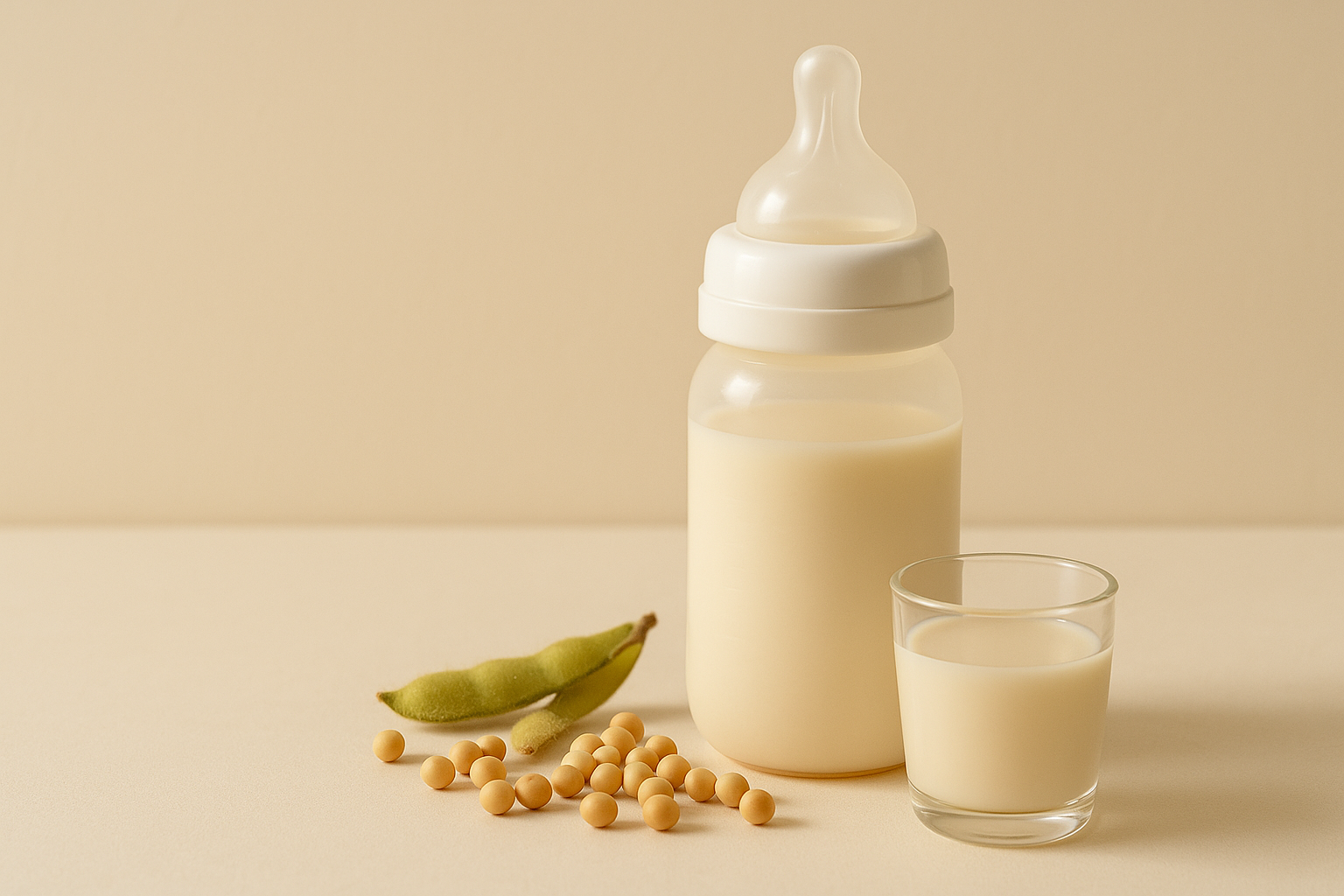
15. Mismanaging Bottle-Feeding Techniques
Many new parents hold bottles horizontally or feed too quickly, causing little one's to gulp extra air or drink more than needed. Paced feeding mimics the natural flow of maternal milk, giving little one's time to breathe and recognise satiety.
Key tips:
- Hold your young child upright
- Tilt the bottle to keep the teat only partly filled
- Allow pauses to burp
- Watch for cues
This encourages comfortable, responsive feeding.
16. Not Seeking Support Early Enough
Parents sometimes wait until mealtimes are extremely stressful before reaching out. If your little one struggles consistently, meeting with a feeding therapist or registered dietitian can provide personalised guidance.
Signs you may benefit from help:
- Persistent refusal of food
- Frequent gagging
- Difficulty swallowing
- Ongoing worries about weight or growth
Seeking support is a strength, not a sign of doing something wrong.
17. Comparing Your Little One to Others
Remember: many little one's develop at different speeds. What works for one may not work for another. Some take to solids quickly, while others need more time. Some gobble down healthy foods, while others prefer plain flavours first.
Instead of comparing, tune into your own little one's cues, preferences, and rhythm.
Frequently Asked Questions
What not to do when feeding a little one?
Avoid rushing solids, forcing feeds, reheating leftover milk, relying on screens, or offering unsafe textures. Pay attention to hunger and fullness cues.
What is the 5-8-5 rule for little one's?
This commonly refers to guiding feeding intervals and awake times, helping parents shape gentle routines during infancy.
What is the 6-6-6 rule for maternal feeding?
A timing pattern some families use during early maternal milk feeding transitions. If trying any new routine, consider speaking with a qualified professional.
What are the 7 danger signs in a newborn little one?
While feeding issues may appear, any major concerns about behaviour, reactions, or symptoms should be discussed immediately with a trained healthcare professional for personalised advice.
10 Feeding Challenges for Little One's and Toddlers and How to Solve Them
These often include fussiness, picky eating, texture refusal, slow weight gain, difficulty transitioning from formula, distraction, mealtime anxiety, sensory sensitivity, emotional feeding, and lack of routine.
8 Bottle-Feeding Mistakes Every New Parent Should Know
Fast flow teats, improper angle, reheating milk, missed cues, distraction, poor burping technique, inconsistent routine, and prolonged unattended bottle use are the most common.
A Few Extra Tips for Smoother Mealtimes
- Always wash hands and utensils before feeding.
- Sit your little one upright to reduce risk.
- Keep portions small and realistic for your little one’s age.
- Introduce healthy foods early and enjoy them together.
- Stay patient, patterns take time.
- Encourage curiosity by letting your little one smell, touch, and explore new textures.
Mealtime isn't just about eating it’s about connection, learning, and building confidence.
Final Thoughts
Feeding is a journey filled with trial and error. Mistakes happen, and that’s entirely normal. What matters is observing, adjusting, and supporting your child as they learn to enjoy food at their own pace. With calm guidance, consistent routines, and gentle exposure to new flavours, your little one will gradually develop a positive, balanced relationship with eating.
Disclaimer
This article is for general informational purposes only and does not replace professional medical, nutritional, or developmental advice. Always consult a qualified healthcare professional for personalised guidance about your child’s feeding, growth, or wellbeing.