%201.svg)







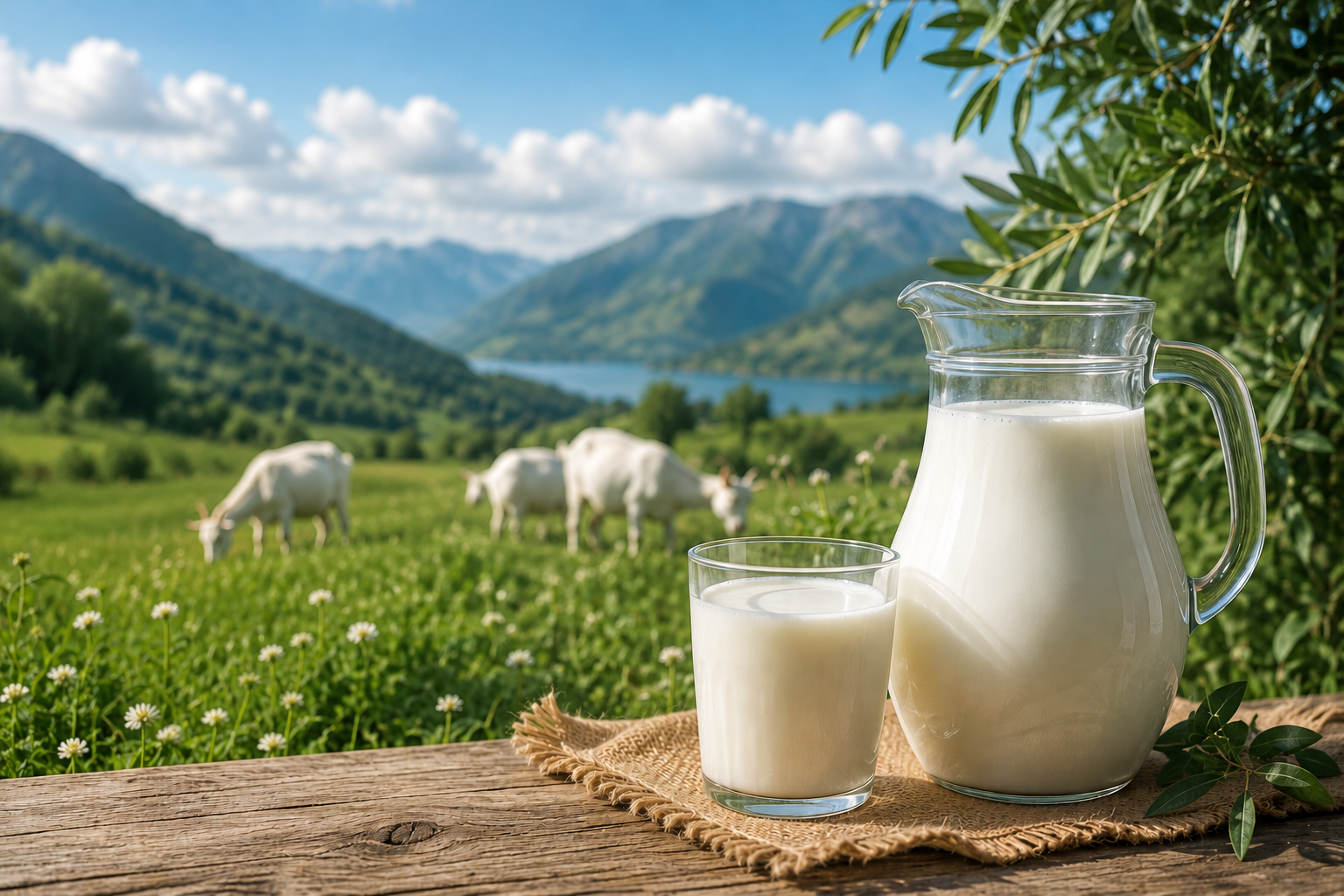
Goat milk myths continue to circulate despite growing public interest in goat milk as a nutritious dairy option. Some people believe that goat milk is completely lactose-free, while others assume it is suitable for everyone or significantly different from cow milk in every way. In reality, many of these beliefs are based on incomplete information or outdated assumptions.
Current research suggests that goat milk provides valuable essential nutrients, quality protein, vitamins, and minerals that contribute to a balanced diet. However, like any food, it has characteristics, limitations, and appropriate uses that should be understood before making dietary decisions.
This article explores some of the most common misconceptions surrounding goat milk, separating fact from fiction while presenting evidence-informed information in a balanced and educational way.
Why Understanding Goat Milk Myths Matters
As consumer interest in alternative dairy products grows, accurate information becomes increasingly important.
Many people choose to drink goat milk because they are interested in dietary variety, nutritional diversity, or digestive comfort. Others simply enjoy its slightly sweeter taste and creamy texture.
Understanding the facts behind goat milk myths helps consumers make informed choices that align with their nutritional needs and personal preferences.
Myth 1: Goat Milk Is Completely Lactose-Free
Fact
One of the most common goat milk myths is that goat milk contains no lactose.
Current research suggests this is incorrect.
Like cow milk, goat milk naturally contains lactose. Although goat milk generally contains slightly less lactose than regular milk, the difference is relatively small.
Because of this, individuals who are lactose intolerant or have significant lactose sensitivity may still experience digestive symptoms after consuming goat milk.
For some people, the slightly lower lactose level may be easier to tolerate, but goat milk should never be considered lactose-free.
Myth 2: Goat Milk and Cow Milk Are Completely Different
Fact
Another widespread misconception is that goat milk has no similarities to cow milk.
Current research suggests that both milks provide many of the same essential nutrients, including:
- Protein
- Calcium
- Phosphorus
- Vitamin D
- Potassium
- Naturally occurring fats
Both products contribute valuable nutrition within a balanced dietary pattern.
However, there are also notable differences.
Goat milk contains primarily A2 casein protein, while many varieties of cow milk contain both A1 and A2 proteins.
Goat milk also contains smaller fat globules, which may influence texture and digestive characteristics.
Rather than viewing one as completely different, it is more accurate to recognise that both share many nutritional similarities while having distinct compositional features.
Myth 3: Goat Milk Contains Less Nutrition Than Cow Milk
Fact
Some people mistakenly believe that goat milk provides fewer nutrients than regular milk.
Current research suggests that goat milk is highly nutritious and contains numerous key nutrients, including:
- High-quality protein
- Calcium
- Magnesium
- Phosphorus
- Vitamin A
- Vitamin B6
- Potassium
Research also suggests that goat milk contains approximately 13% more calcium than cow milk.
In addition, goat milk contains approximately:
- 25% more vitamin B6
- 47% more vitamin A
These nutrients contribute to overall good health, energy metabolism, and nutritional balance.
Goat milk also contains approximately 3.6 grams of protein per 100 ml, compared with roughly 3.2 grams in cow milk.
Myth 4: Goat Milk Is Only Suitable for People with Lactose Intolerance
Fact
Although many individuals who are lactose intolerant express interest in goat milk, it is not exclusively intended for this group.
People choose goat milk for many reasons, including:
- Nutritional variety
- Mild flavour
- Digestive comfort
- Personal taste preferences
- Interest in naturally sourced dairy
Current research suggests goat milk may be an attractive alternative dairy option for some consumers, regardless of whether they experience lactose sensitivity.
Myth 5: Goat Milk Is Easier to Digest Because It Contains No Casein
Fact
Another common misconception is that goat milk contains no casein protein.
In reality, goat milk contains casein, but its protein structure differs from that found in much of cow milk.
Goat milk primarily contains A2 beta-casein protein.
Current research suggests this protein composition, together with its smaller fat globules, may contribute to goat milk being easier to digest for some individuals.
Goat milk proteins also tend to form softer curds during digestion, which may influence digestive comfort.
However, digestive responses vary from person to person.
Understanding Goat Milk Protein
Protein is one of the most valuable nutritional components found in goat milk.
Its protein content supports numerous normal body functions as part of a balanced diet.
Goat milk provides:
- Complete quality protein
- Naturally occurring amino acids
- Calcium-binding proteins
- Nutritionally valuable milk proteins
Current research suggests that the protein composition of goat milk contributes to its nutritional value and digestive characteristics.
Goat Milk and Gut Health
Interest in gut health continues to increase worldwide.
Current research suggests that goat milk contains naturally occurring components that may support digestive wellbeing.
These include:
- Smaller fat globules
- A2 beta-casein protein
- Naturally occurring milk fats
- Minerals that contribute to normal digestive processes
An emerging role has been observed for goat milk within discussions surrounding digestive comfort and balanced nutrition.
However, goat milk should always be considered one part of an overall healthy dietary pattern.
Nutritional Value Beyond Calcium
Although goat milk is often recognised for its calcium, it provides many additional nutrients.
Current research suggests goat milk contains:
- Protein
- Vitamin A
- Vitamin D
- Magnesium
- Phosphorus
- Potassium
- Healthy fats
Together, these nutrients contribute to strong bones, normal muscle function, and overall nutritional wellbeing when consumed as part of a varied diet.
Looking Beyond Common Misconceptions
Many goat milk myths develop because individual nutritional characteristics are sometimes misunderstood.
Rather than relying on assumptions, consumers benefit from reviewing evidence-informed information and recognising that every food has both strengths and limitations.
Understanding these facts helps create realistic expectations regarding goat milk, nutrition, and everyday dietary choices.
Understanding the facts behind goat milk myths allows consumers to make informed dietary decisions based on evidence rather than misconceptions.
Current research suggests that goat milk provides valuable nutritional benefit, including quality protein, calcium, vitamins, minerals, and naturally occurring fats. It also contains A2 beta-casein protein, smaller fat globules, and slightly less lactose than cow milk, characteristics that may contribute to its digestibility for some individuals.
At the same time, goat milk is not lactose-free, is not suitable for people with cow milk protein allergies, and fresh goat milk is not an appropriate replacement for specially formulated nutrition during the early life stage.
Whether enjoyed as drinking milk, yogurt, or incorporated into everyday meals, goat milk can contribute to a balanced diet as part of a varied and nutritious eating pattern.
Disclaimer
This article is provided for educational and informational purposes only. The information presented is intended to improve general understanding of goat milk and nutrition and should not be considered personalised professional advice. Individual nutritional requirements vary, and readers should seek appropriate guidance before making significant dietary or lifestyle decisions.