%201.svg)








Introduction to Milk Options in Malaysia
Choosing suitable milk for a growing little one can feel complex, especially with the many milk options in Malaysia available today. Parents often explore a wide range of products across dairy and plant categories to understand what aligns with their child’s preferences and daily routine. Milk is a common part of everyday meals, and it is the inclusion of balanced nutrients that shapes its role in the diet.
Across Malaysia, milk and related products are present in homes, cafés, and grocery aisles. From fresh dairy selections to plant-based beverages, the market has evolved over the years. This variety allows families to explore what fits their lifestyle, taste preferences, and overall quality expectations.
Understanding What Milk is in Daily Nutrition
Milk is a versatile drink that contributes to hydration and general nourishment. It is often included in meals and snacks due to its mild flavour and creamy texture. Milk is also used in beverages like coffee, smoothies, and warm drinks, making it a regular part of the day.
For many households in Malaysia, milk is part of the daily routine, whether served fresh or mixed into foods. It has become a standard addition to breakfast and evening beverages. Its adaptability makes it suitable for both traditional and modern eating patterns.
Types of Dairy milk Available in Malaysia
Dairy milk remains one of the most recognised options in the market. It is available in full, low-fat, and skimmed versions. Each type offers a different balance of fat and texture, allowing families to choose based on their needs.
Fresh dairy milk is widely available across local stores and supermarkets in Malaysia. It is often valued for its creamy taste and familiar flavour. Many dairy products also come in certified halal formats, ensuring accessibility across diverse communities.
Exploring Fresh Milk Choices
Fresh milk is known for its smooth taste and natural appeal. It is typically consumed chilled and is commonly used in beverages like coffee and tea. Its freshness contributes to a pleasant drinking experience, especially during warm weather.
In Malaysia, fresh milk products are found across the market, offering a variety of packaging sizes. Families often prefer fresh options for their perceived quality and taste. These products are also used in cooking, baking, and preparing beverages.
Full Cream Milk and its Characteristics
Full cream milk is recognised for its rich and creamy texture. It is the inclusion of natural fat that gives it a fuller taste profile. This type of milk is often chosen for recipes and beverages that benefit from a thicker consistency.
In many households, full cream milk is used in coffee and desserts. Its creamy nature enhances flavour and texture, making it a popular choice across Malaysia. It also blends well into smoothies and warm drinks.
Low-Fat and Lighter Dairy Options
Low-fat milk options are available for those seeking a lighter alternative. These products reduce fat content while maintaining a similar taste. Milk is still present as a daily drink, but with a slightly different nutritional balance.
Across Malaysia, low-fat dairy products are part of the expanding market. They are often selected for everyday use, especially in beverages like coffee or cereal. These options provide flexibility for families exploring different milk choices.
Dairy Free and Plant-Based Milk Alternatives
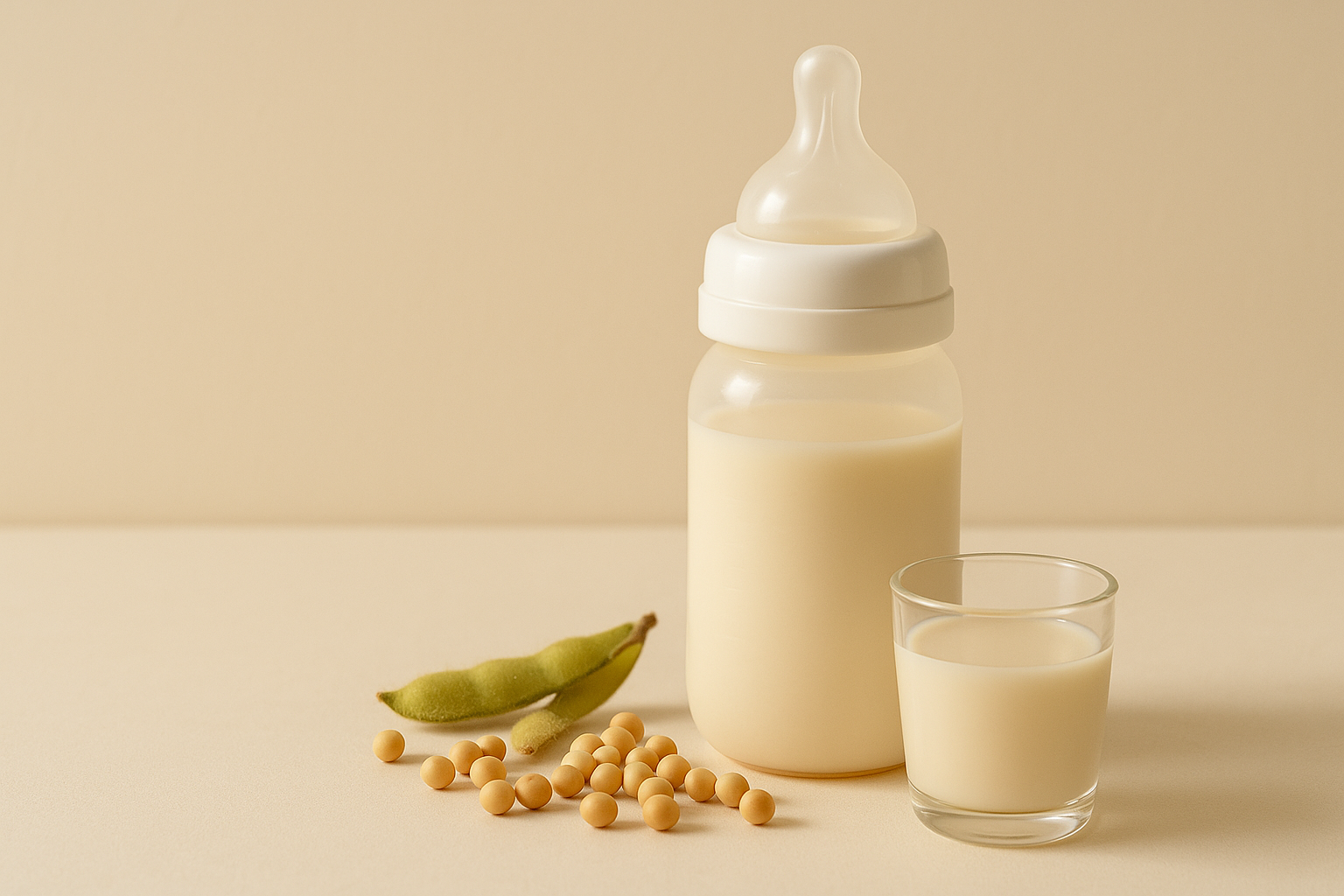
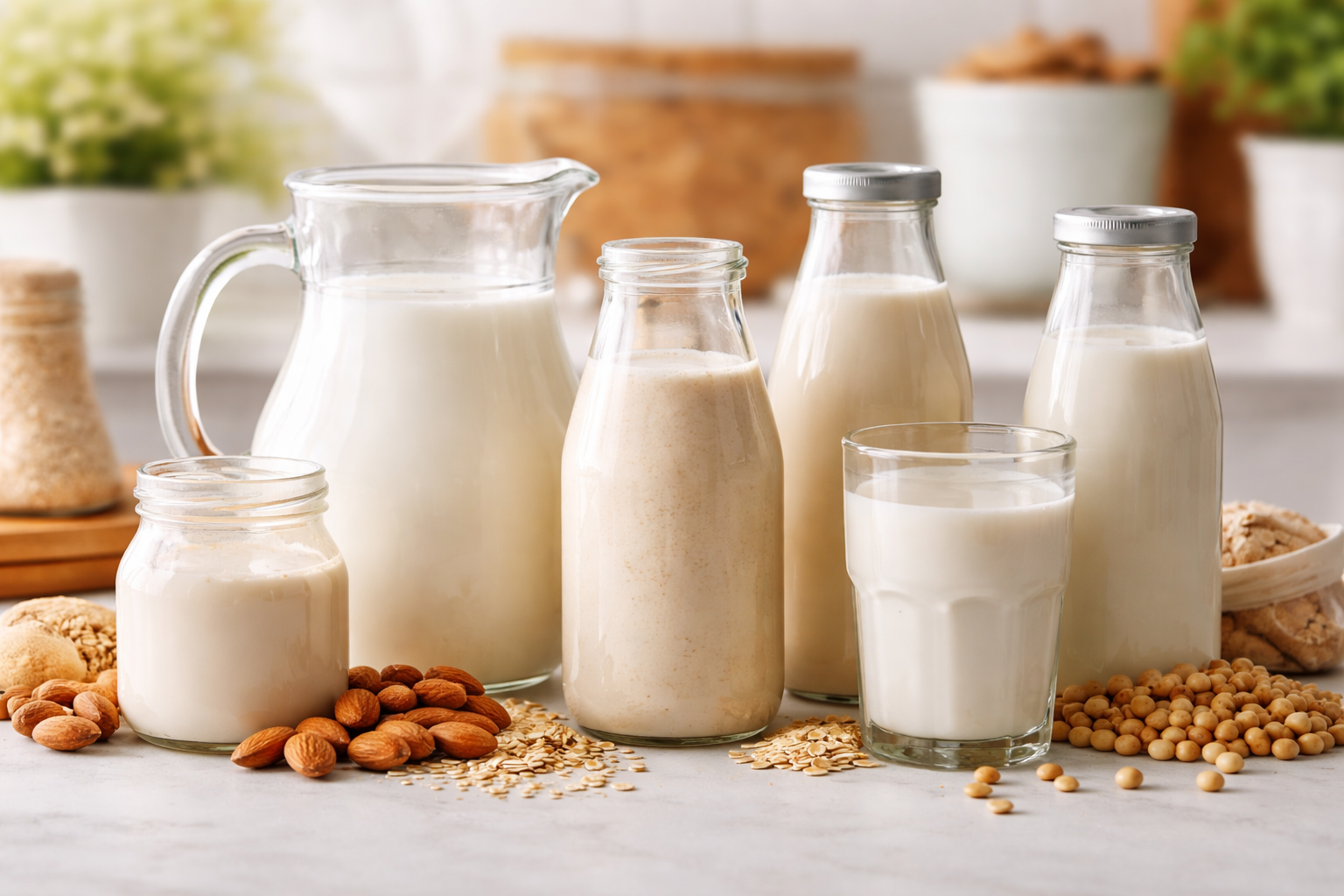
Dairy free milk options have gained attention in recent years. These plant-based beverages include soy, almond, oat, and coconut milk. Each plant source offers a unique taste and texture.
Plant milk products are now widely available in Malaysia, reflecting changing preferences. They are often chosen for variety and lifestyle reasons. Dairy free alternatives can be used in coffee, cooking, and daily drinks.
Plant Milk and its Growing Popularity
Plant milk is becoming more visible across the market. It is the diversity of plant sources that allows for a wide range of flavours. From nut-based to grain-based options, plant milk continues to expand.
In Malaysia, plant milk products are available in supermarkets and cafés. They are often used in coffee and beverages, offering a different taste experience. The creamy texture of some plant options makes them suitable for various recipes.
Comparing Taste and Texture Across Milk Types
Taste plays an important role when selecting milk for little ones. Dairy milk is known for its creamy and familiar flavour, while plant milk offers unique profiles depending on the source.
Texture also varies across products. Full dairy milk tends to be richer, while some plant options are lighter. These differences influence how milk is used in beverages like coffee or in meals prepared at home.
Nutritional Considerations for Daily use
Milk is often associated with nutrients like protein and calcium. It has a role in supporting general wellbeing and energy levels. However, different milk products offer varying nutritional compositions.
For example, dairy milk typically contains natural protein, while some plant milk products may include added nutrients. Understanding these differences can help in choosing the right option for daily consumption.
The Role of Milk in Beverages like Coffee
Coffee culture in Malaysia highlights the versatility of milk. Milk and coffee combinations are widely enjoyed, from hot drinks to iced beverages. The creamy texture of milk enhances flavour and balance.
Both dairy and plant milk are used in coffee preparation. Some prefer full dairy milk for its richness, while others enjoy plant-based options for their lighter feel. This flexibility reflects the evolving market.
Availability Across the Malaysia Market
The milk market in Malaysia is diverse and accessible. Products are available across supermarkets, convenience stores, and local shops. This accessibility allows families to explore many options.
Over the years, the market has expanded to include both traditional dairy and newer plant-based products. This growth reflects changing preferences and increased awareness of different milk choices.
Choosing the Right Milk for Your Needs
Selecting the right milk depends on personal preferences, taste, and daily habits. Some families prefer fresh dairy milk for its familiar flavour, while others are open to explore plant-based alternatives.
It is helpful to consider how milk will be used, whether for drinking, cooking, or adding to coffee. Understanding these needs can guide better choices without focusing on comparisons or claims.
Quality and Storage Considerations
Quality is an important factor when choosing milk. Freshness, packaging, and storage conditions all contribute to the overall experience. Milk products should be stored as recommended to maintain their quality.
Across Malaysia, many products are available in sealed packaging to preserve freshness. This ensures that milk remains suitable for daily use, whether consumed directly or added to meals.
Local Preferences and Evolving Trends
Local preferences influence the milk market in Malaysia. Traditional dairy options remain widely used, while plant-based products continue to grow in popularity.
These trends reflect a broader shift in how families approach food and beverages. The availability of diverse products allows for exploration and adaptation to changing lifestyles.
Balancing Taste, Quality, and Variety
Balancing taste and quality is key when selecting milk. Some may prioritise creamy texture, while others look for lighter options. The wide range of products available supports different preferences.
Milk is not just a drink but also an ingredient in many recipes. Its versatility makes it a valuable addition to the daily diet, whether used in beverages, cooking, or snacks.
Final Thoughts on Milk Choices
Milk options in Malaysia offer a wide selection for families to explore. From fresh dairy to plant-based alternatives, the market provides flexibility and variety. Milk is a staple in many households, contributing to daily routines and meals.
By understanding the characteristics of different milk products, parents can make informed decisions that suit their needs. The focus remains on balance, taste, and overall quality rather than comparison.
Disclaimer
This article is for educational purposes only and is intended to provide general information. It does not replace personalised professional advice. For specific dietary guidance, please consult a qualified professional.