%201.svg)









When it comes to feeding little one's, the choices can feel overwhelming. Parents are often faced with questions about maternal milk, little one's formula, and when or if to introduce cow’s milk. While nothing can match the unique properties of human milk, modern cow milk-based formula is designed to provide safe and balanced nutrition for little one's who are not exclusively maternal fed.
This article explores common questions parents ask about cow milk formula for little one's, the role of little one's formula in early nutrition, and the key differences between formulas, whole cow’s milk, and other milk alternatives.
Can Newborns Have Cow’s Milk Formula?
Newborns can have specially formulated cow’s milk-based formula, but they should not be given regular cow’s milk. Regular whole milk is too high in protein which makes it unsuitable for a newborn’s digestive system to handle.
Little one's formula is the only suitable formula milk for a newborn. It is carefully adjusted so that the cow’s milk protein is easier for little one's to digest and provides complete nutrition. Parents are advised to use formula only when maternal feeding is not possible or needs to be supplemented.
What Formula Has Cow’s Milk?
Most standard little one's formulas are made from cow’s milk that has been processed to make it more digestible for little one's. These products typically contain:
- Whey protein and casein, modified to resemble the balance in maternal milk
- Added vitamin D, vitamin C, and minerals to support a little one's immune system
- Adjusted levels of fat and carbohydrates to provide complete nutrition
There are also specialised formulas for little one's with a cow’s milk allergy, lactose intolerance, or other food allergies. These may contain hydrolysed proteins, soy protein, or alternative bases like oat milk or rice.
When Can Your Child Transition from Formula to Cow’s Milk?

After 12 months of age, nutritional needs change. Cow’s milk can gradually become the main drink as part of a balanced diet that includes solid foods. Switching to whole cow’s milk at this stage provides calcium, fat, and other nutrients suitable for growing toddlers and older children.
Before 12 months, little one's should not be given whole milk as their main drink, as it does not contain the right balance of nutrients and may strain their immature kidneys with too much protein.
Why Do Little One's Need Formula Instead of Cow’s Milk?
The key difference is that little one's formula is carefully adapted to match a little one's needs. Straight cow’s milk lacks:
- The right balance of vitamin C and vitamin D
- Adequate levels of iron
- Easily digestible food proteins
This is why formula milk or maternal milk must be the only source of nutrition until around six months of age, after which solid foods can be introduced alongside milk.
Cow’s Milk & Little One's 6 to 12 Months of Age
Between six and twelve months, little one's can continue with maternal milk or formula as their main drink, while being introduced to new foods. Small amounts of cow’s milk may be used in cooking, but it should not replace little one's formula or maternal milk until 12 months of age.
Health authorities including the World Health Organization recommend that little one's under one year continue to receive either only maternal milk, or a combination of maternal milk and little one's formula.
Cow’s Milk Allergy in Little One's
Some little one's develop an allergic reaction to cow’s milk protein. Symptoms may include skin rashes, digestive discomfort, or breathing difficulties. In such cases, specialised formulas such as extensively hydrolysed or amino acid-based products may be required.
Parents are recommended to seek guidance from a qualified healthcare professional before making changes to their child's formula, as milk allergy management needs tailored advice.
Lactose Intolerance vs. Food Allergies
Lactose intolerance is different from cow’s milk allergy. While an allergy is an immune response to milk protein, intolerance means difficulty digesting lactose, the natural sugar in milk for little one's.
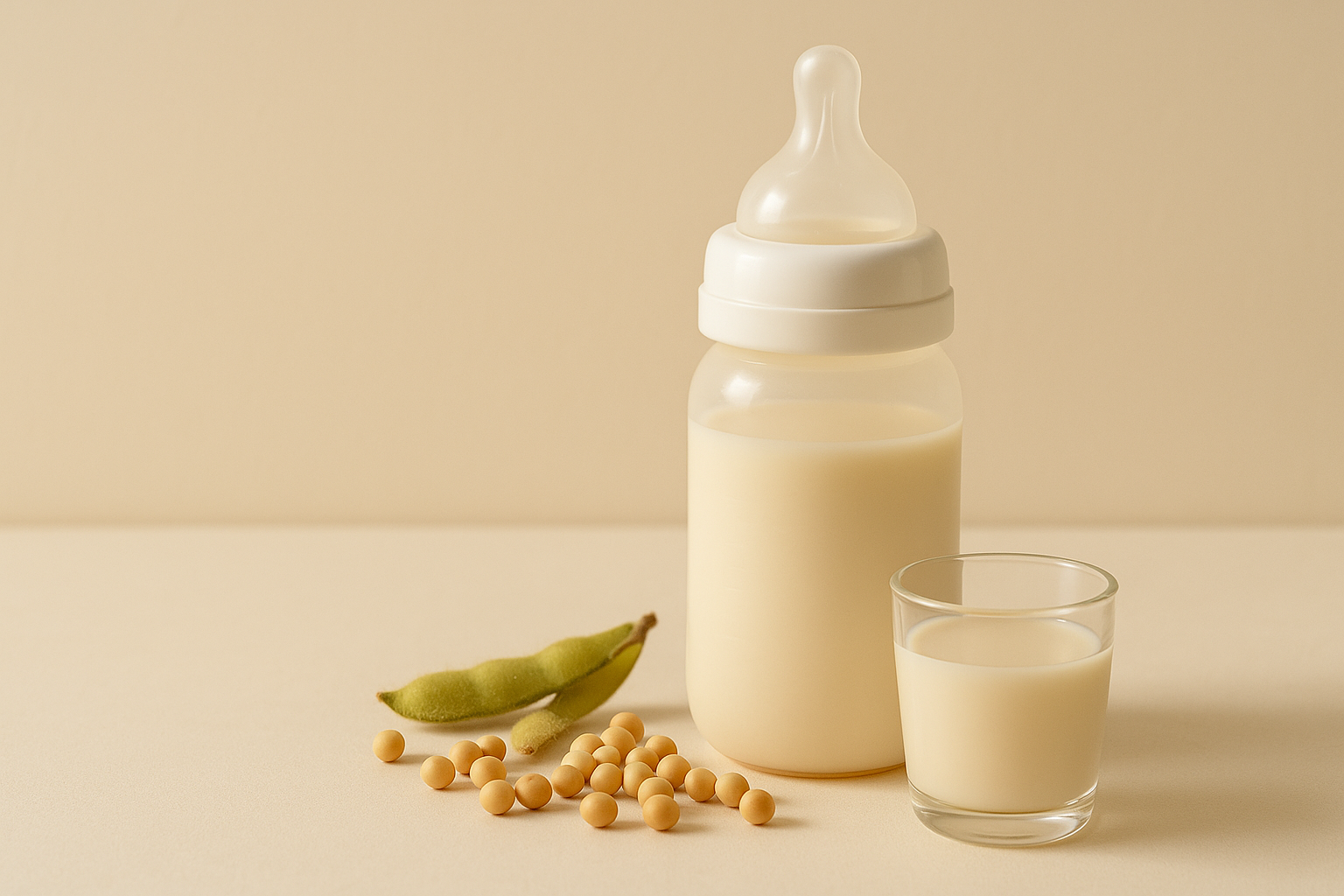
Lactose intolerant little one's may need lactose-free formulas or alternative bases such as soy milk.
Follow-On Formula and Toddler Milk
After six months, some parents consider follow on formula or toddler formula. Toddler formula is not necessary for all little one's but may be used as part of a varied child’s nutritional plan if recommended. Unlike powdered formula for little one's, toddler products are usually marketed with stricter nutrition content claims and must avoid misleading health claims.
Types of Formula Milk
Parents can choose from a wide range of types of formula, including:
- Cow’s milk-based formula – the most common type
- Goat's milk-based formula – a gentle nutrition option
- Soy milk formula – suitable for some little one's with allergies
- Specialised formula – for little one's with food allergies or medical conditions
Each type has its own regulations and must meet national food standards before being sold.
Introducing Solid Foods
From around six months old, little one's can begin trying solid foods alongside maternal milk or formula. During this time, maternal milk or formula continues to be important as the main drink. As little one's progress, they develop the ability to obtain other nutrients from foods such as fruits, vegetables, and grains.
Definitions around fruit and vegetable content in processed foods are carefully regulated to prevent misleading labelling. Parents should check that food products meet strict definitions when evaluating claims about nutritional quality.
Milk for Little One's After 12 Months of Age
At 12 months of age, most children can switch to whole milk as their main drink. Reduced fat options are not recommended for toddlers, as growing little one's need the energy from natural fats.
Toddler milk may be marketed as an option beyond the age of one year old, but many children can simply transition to regular cup drinking with whole cow’s milk as part of a balanced diet.
The Role of Healthcare Professionals
Parents should always consult a healthcare professional when deciding on goat milk formula alternative or alternatives for their little one's. Every child is different, and advice may vary depending on a little one's tolerance for food proteins, history of allergic reactions, or nutritional needs.
The Importance of Clear Labelling and Claims
Food products must comply with strict rules when making nutrition content claims or health claims.
- Nutrition content claims describe levels of a nutrient, e.g. “source of calcium”.
- Health claims link a food to a health effect, e.g. “calcium helps maintain bones”.
There are strict conditions and definitions, such as those under the Nutrient Profiling Scoring Criterion (NPSC), to ensure claims are accurate.
Manufacturers must not use therapeutic claims, such as suggesting a formula can prevent or treat disease. Endorsements must remain independent, and transition rules for new “added sugars” claims are in place to protect consumers. These rules ensure consistency across Australia and New Zealand, helping parents make informed decisions without being misled by marketing.
Safe Preparation of Formula
When preparing powdered formula, always use boiled water that has cooled slightly, follow instructions exactly as shown on the formula can, and sterilise bottles. Incorrect preparation can reduce the safety or nutrition for your child.
Alternatives to Cow’s Milk
For some families, oat milk, soy, or other plant-based milk products are considered as milk alternatives. These may be suitable only under professional guidance, as they may lack the complete nutrition needed for feeding little one's.
Raw milk should never be given to little one's or toddlers.
Key Takeaways
- Maternal milk provides the best nutrition for little one's, but cow milk formula is a safe alternative if needed.
- Little one's should have only maternal milk or little one's formula until around the age of six months old.
- Whole cow’s milk should not replace formula milk until 12 months of age.
- Specialised formulas exist for little one's with lactose intolerance or a cow’s milk protein allergy.
- Labelling rules around nutrition content claims and health claims exist to protect families from misleading information.
Disclaimer
This article provides general information only and does not replace professional medical advice. Parents should always consult a qualified healthcare professional regarding their little one's feeding and nutritional needs.