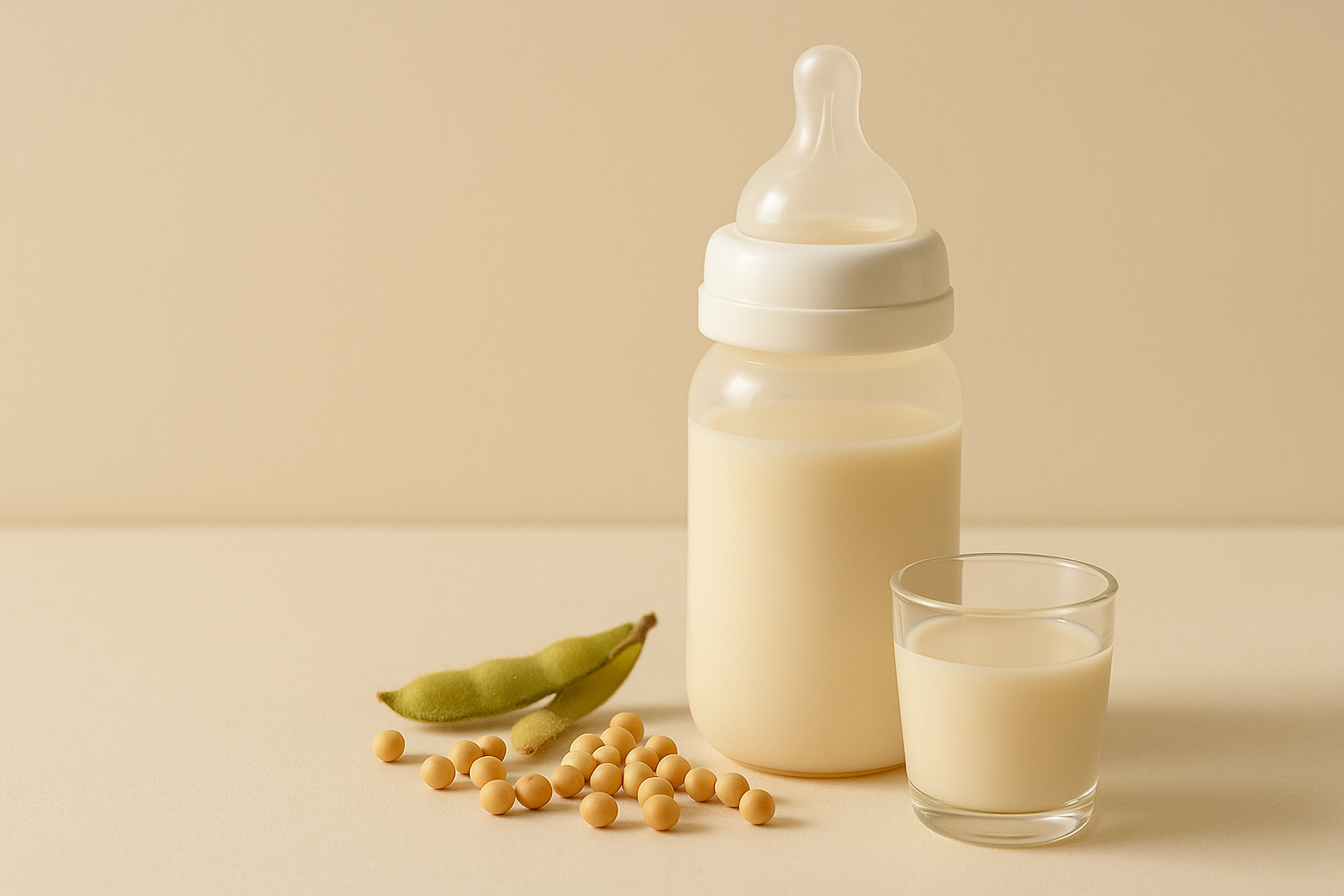





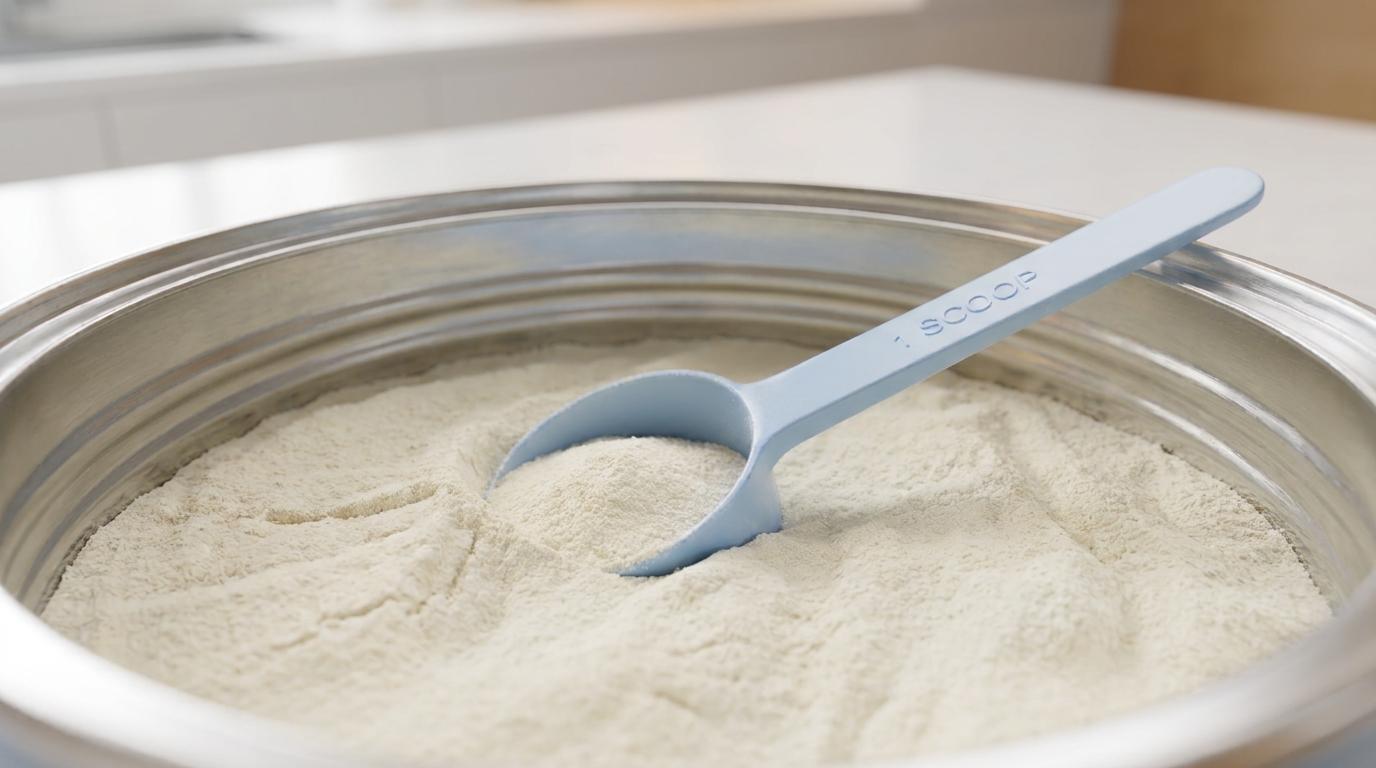
Fat is an important part of milk composition, providing energy and contributing to the nutritional and physical characteristics of dairy products. In goat milk powder, milk fat contains a complex mixture of fatty acids that influence its nutritional profile, flavour, texture, processing properties and potential food applications.
Interest in fatty acids in goat milk powder has increased as researchers explore the relationship between animal feeding systems, milk composition and food quality. Goat milk naturally contains saturated fatty acids, monounsaturated fatty acids and polyunsaturated fatty acids, together with smaller quantities of short-chain, medium-chain, odd-chain and branched-chain fatty acids.
These components are not present in fixed proportions. Their levels can change according to goat breed, lactation stage, forage type, concentrate intake, season and processing conditions. Understanding these factors helps explain why goat milk powder can have different fatty acid profiles depending on how the original milk was produced and prepared.
This article explores the chemical structure of fatty acids, their main categories, the influence of farming systems, and what current research suggests about their nutritional importance.
What Are Fatty Acids in Goat Milk Powder?
Fatty acids are organic molecules that form an important part of dietary lipids. They are usually attached to glycerol to form triglycerides, which represent the major component of milk fat.
Each fatty acid contains a carbon chain with hydrogen atoms attached to it. The length of this carbon chain and the presence or absence of double bonds determine its classification and physical characteristics.
In goat milk, fatty acids contribute to several nutritional and functional properties. They provide energy, help shape the texture of milk fat and influence how the fat behaves during food processing.
When goat milk is converted into powder, much of its original fat composition can remain, although the final profile may be influenced by the preparation method, temperature exposure, storage conditions and packaging.
The study of fatty acids in goat milk powder therefore involves understanding both the original milk composition and the processes used to produce the finished powder.
Understanding the Chemical Structure of Fatty Acids
A fatty acid molecule consists of a hydrocarbon chain and a carboxyl group. Its carbon chain may contain different numbers of carbon atoms, depending on the particular fatty acid.
The arrangement of hydrogen atoms around the carbon chain is important because it determines whether the fatty acid is saturated or unsaturated.
In saturated fatty acids, each carbon atom in the chain is connected through single bonds. These molecules contain the maximum number of hydrogen atoms possible for their structure and have no carbon-carbon double bonds.
Unsaturated fatty acids contain one or more double bonds. These bonds affect the shape and physical properties of the molecule.
The position and configuration of a double bond also matter. In a cis configuration, hydrogen atoms around the double bond are generally positioned on the same side. In a trans configuration, they are positioned on opposite sides.
These structural differences help food scientists classify milk lipids and understand their behaviour during storage, processing and digestion.
Saturated Fatty Acids in Goat Milk
Saturated fatty acids are naturally present in goat milk and contribute to its total fat content. Their carbon chains contain no double bonds, giving them a relatively straight molecular structure.
Some important saturated fatty acids found in goat milk include:
- Caproic acid
- Caprylic acid
- Capric acid
- Lauric acid
- Myristic acid
- Palmitic acid
- Stearic acid
- Butyric acid
These fatty acids differ in the number of carbon atoms they contain. For example, butyric acid has four carbon atoms, while stearic acid has eighteen.
The proportions of individual saturated fatty acids can influence milk fat characteristics, including melting behaviour and texture. They also contribute to the overall energy supplied by dietary fat.
It is important to consider the complete dietary pattern rather than interpreting one fatty acid in isolation. The nutritional significance of saturated fat depends on its overall intake and the foods that form the rest of the diet.
Short-Chain and Medium-Chain Fatty Acids
Goat milk contains several short-chain and medium-chain fatty acids. These are an important part of its distinctive lipid composition.
Short-chain fatty acids generally contain fewer than six carbon atoms, while medium-chain fatty acids commonly contain between six and twelve carbon atoms.
Examples include:
- Butyric acid
- Caproic acid
- Caprylic acid
- Capric acid
- Lauric acid
Short-chain fatty acids have different roles within the body. Butyric acid, for example, is also produced by intestinal microorganisms through the fermentation of dietary fibre. It serves as an important energy source for colon cells.
Medium-chain fatty acids have attracted attention because their absorption and metabolism differ from those of many longer-chain fatty acids. Some can be transported more directly towards the liver and used in energy metabolism.
However, the digestion and utilisation of fatty acids depend on the overall meal, individual physiology and the form in which the fat is consumed.
The presence of these fatty acids is one reason goat milk fat receives attention in food science and dairy nutrition research.
Longer-Chain Fatty Acids and Their Functions
Longer-chain fatty acids contain more carbon atoms and form another important part of goat milk lipids.
Examples include palmitic acid, stearic acid, oleic acid, linoleic acid and alpha-linolenic acid.
These fatty acids contribute to the structure of triglycerides and provide energy when metabolised. Some are also involved in the formation of cell membranes and other important molecules within the body.
Their proportions vary according to animal feeding, genetics and production conditions. This means that milk samples collected from different farms may show different composition data even when they come from the same goat breed.
Understanding longer-chain fatty acids is particularly relevant when evaluating the nutritional characteristics of goat milk powder and other dairy products.
Monounsaturated Fatty Acids in Goat Milk
Monounsaturated fatty acids contain one double bond in their carbon chain. They are commonly found in a variety of foods, including dairy products, nuts and plant oils.
Oleic acid is one of the most recognised monounsaturated fatty acids in goat milk.
It is an eighteen-carbon fatty acid with one cis double bond. Oleic acid contributes to the total unsaturated fat content and is also present in foods such as olive oil, nuts and seeds.
A reported oleic acid concentration of approximately 21.1% in conventional low-input goat milk should be interpreted as a finding from a particular sample or study, rather than a universal value.
The actual concentration can vary with feed composition, breed, season and lactation stage.
Monounsaturated fatty acids are relevant to dietary lipid research because the type of fat consumed can influence blood lipid markers. However, the effect depends on the overall dietary pattern rather than the presence of oleic acid in one food alone.
Polyunsaturated Fatty Acids and Essential Fatty Acids
Polyunsaturated fatty acids contain two or more double bonds. They are important components of dietary fat and include several fatty acids that the human body cannot produce in sufficient quantities.
These are known as essential fatty acids because they must be obtained through food.
Two important examples are:
- Linoleic acid (LA), an omega-6 fatty acid.
- Alpha-linolenic acid (ALA), an omega-3 fatty acid.
Both contribute to normal body functions and are involved in the formation of longer-chain fatty acids and other lipid compounds.
Goat milk contains these essential fatty acids, although their concentrations are generally influenced by the animal's diet and production system.
Linoleic acid is particularly relevant to the composition of milk fat. A reported level of approximately 3.1% in high-input goat milk represents a sample-specific observation and should not be assumed to apply to all milk.
Similarly, alpha-linolenic acid levels can be higher in milk from goats receiving certain forage-rich diets.
Omega-3 and Omega-6 Fatty Acids
Omega-3 and omega-6 fatty acids are two important groups of polyunsaturated fatty acids.
Alpha-linolenic acid is a key omega-3 fatty acid. It can be converted in the body into longer-chain fatty acids, including eicosapentaenoic acid (EPA) and docosahexaenoic acid (DHA), although the conversion is limited and varies between individuals.
Linoleic acid is a prominent omega-6 fatty acid. It contributes to cell membrane structure and serves as a starting material for other fatty acid derivatives.
The relationship between omega-6 and omega-3 fatty acids is sometimes described using the n6/n3 ratio.
Goat milk from certain low-input systems has been reported to have a lower n6/n3 ratio, particularly where grazing and forage intake contribute more omega-3 fatty acids to the diet.
However, this ratio should not be treated as a complete measure of nutritional quality. The total amount of each fatty acid and the broader dietary pattern are also important.
Conjugated Linoleic Acid and Other Specialised Fatty Acids
Conjugated linoleic acid (CLA) refers to a group of linoleic acid isomers with different arrangements of double bonds.
Some forms of CLA occur naturally in ruminant dairy fat, including goat milk. Their concentrations are influenced by the animals' diet and the activity of microorganisms in the rumen.
CLA has received research attention because laboratory and animal studies have explored its potential biological activities, including possible effects on inflammatory pathways.
However, these findings should not be interpreted as evidence that consuming goat milk powder produces a particular health outcome in humans.
Other specialised fatty acids include odd- and branched-chain fatty acids (OBCFA). These molecules have different carbon-chain structures from many common even-numbered fatty acids.
Goat milk contains OBCFA, and some studies have reported a combined proportion of approximately 4.7% in particular samples. The value varies according to the analytical method and production conditions.
Trans Fatty Acids and Their Natural Occurrence
Trans fatty acids contain at least one double bond in the trans configuration, where the hydrogen atoms around the double bond are positioned on opposite sides.
Small quantities of naturally occurring trans fatty acids can be present in milk from ruminant animals because of microbial activity in the rumen.
These should be distinguished from industrially produced trans fats, which can form during certain food manufacturing processes involving partial hydrogenation of vegetable oils.
The nutritional implications of trans fatty acids depend on their type and source. High dietary intake of industrial trans fats is associated with unfavourable health effects, so they are not considered equivalent to unsaturated fats from plant oils.
In goat milk powder, the amount of naturally occurring trans fatty acids depends on the original milk composition and the feeding system.
How Goat Feeding Systems Influence Fatty Acid Composition
The fatty acid profile of goat milk is strongly influenced by animal nutrition.
Goats receiving different combinations of pasture, fresh forage, hay, silage and concentrate feed may produce milk with different lipid profiles.
Forage-rich diets can increase the availability of certain fatty acid precursors, including alpha-linolenic acid. This can influence the levels of polyunsaturated fatty acids and some related compounds in milk.
Higher concentrate diets may alter rumen fermentation and the transformation of dietary fatty acids. In some production settings, higher concentrate intake has been associated with changes in fatty acid stability and lipid composition.
This does not mean that every concentrate-based system produces the same result. The type of concentrate, forage quality, feed balance and animal management all influence the outcome.
Low-Input and High-Input Goat Milk Systems
Production systems are often grouped according to their feeding intensity, resource use and farm management practices.
Low-input systems may rely more heavily on grazing, locally available forage and less intensive supplementary feeding. High-input systems may use greater quantities of formulated concentrate feed alongside forage.
Research has reported differences in fatty acid composition between these systems.
Some low-input goat milk samples have shown:
- Higher alpha-linolenic acid levels.
- A lower n6/n3 ratio.
- Higher proportions of selected odd- and branched-chain fatty acids.
- Differences in oleic acid and other unsaturated fatty acids.
A reported oleic acid concentration of 21.1% in conventional low-input milk and linoleic acid concentration of 3.1% in high-input milk illustrate how composition data can differ between production settings.
These values are examples from particular observations, not fixed nutritional specifications.
Odd- and Branched-Chain Fatty Acids in Goat Milk
Odd- and branched-chain fatty acids are receiving increasing attention in dairy research.
Unlike many common fatty acids, which have straight carbon chains containing an even number of carbon atoms, OBCFA have either an odd number of carbon atoms or one or more branches in their molecular structure.
They are associated partly with microbial activity in the rumen and can be influenced by the animals' feeding patterns.
Some studies have reported higher OBCFA levels in goat milk from low-input systems. This may be related to differences in forage intake and rumen microbial activity.
The observation that goat milk contains around 4.7% OBCFA in certain samples should be treated as study-specific rather than a universal figure.
Researchers continue to investigate the significance of these fatty acids in dairy composition and food science.
Fatty Acid Stability During Milk Processing
Fatty acid stability is an important consideration when converting fresh goat milk into powder.
Polyunsaturated fatty acids contain multiple double bonds, making them more susceptible to oxidation than many saturated fatty acids.
Oxidation can affect flavour, aroma and overall product quality. It may also change the composition of sensitive lipids during processing and storage.
Several factors can influence fatty acid stability:
- Exposure to oxygen.
- Light exposure.
- Processing temperature.
- Storage duration.
- Moisture levels.
- Packaging materials.
- The original antioxidant composition of the milk.
Higher concentrate diets have been associated with reduced fatty acid stability in some production systems. However, the relationship is not universal and depends on the wider feeding and management conditions.
Careful control of processing and storage is therefore important for maintaining the quality of goat milk powder.
How Goat Milk Powder Is Prepared
Goat milk powder is generally produced by removing much of the water from milk while retaining its principal solid components.
The process commonly involves several stages, including milk preparation, heat treatment, concentration and drying.
Spray drying is a widely used method. Concentrated milk is dispersed into small droplets inside a drying chamber, where hot air removes moisture and forms a powder.
The conditions used during processing can influence the physical properties of the powder and the stability of its fat.
Milk preparation and homogenisation may also affect the distribution of fat globules. Packaging then plays an important role in limiting exposure to moisture, oxygen and light.
The objective is to produce a consistent food ingredient with suitable freshness, handling properties and shelf life.
Fatty Acid Methyl Esters and Laboratory Analysis
Researchers use specialised analytical techniques to identify and measure individual fatty acids in milk samples.
One common approach involves converting fatty acids into fatty acid methyl esters (FAME). This process makes them suitable for analysis using gas chromatography.
During preparation, the fatty acids are separated from their original lipid structures and converted into methyl esters.
Gas chromatography then separates the methyl esters according to their chemical properties. The resulting measurements help researchers identify individual fatty acids and calculate their relative proportions.
In some analytical methods, butyl esters may also be prepared, depending on the research purpose and laboratory procedure.
These methods allow food scientists to examine saturated fatty acids, monounsaturated fatty acids, polyunsaturated fatty acids, trans fatty acids and OBCFA in greater detail.
Comparing Goat Milk Fat with Other Dairy Sources
Cow milk, goat milk and sheep milk have different nutritional compositions. Their fatty acid profiles can also vary according to breed, feed, lactation stage and production system.
Goat milk is often reported to contain a relatively higher proportion of certain medium-chain fatty acids than cow milk. However, the actual difference depends on the milk samples being compared.
Goat and sheep milk also contain a mixture of saturated and unsaturated fatty acids. Their overall lipid composition reflects differences in animal genetics, feeding practices and environmental conditions.
Vegetable oils and plant oils provide different types of dietary fat. Many contain substantial amounts of unsaturated fatty acids, while fish oils are recognised sources of long-chain omega-3 fatty acids such as EPA and DHA.
These foods contribute different nutrients to the human diet and should be considered within the context of overall dietary intake.
Fatty Acids and Energy Metabolism
Fatty acids are an important source of dietary energy. During digestion, triglycerides are broken down into smaller components that can be absorbed and used by the body.
Short-chain and medium-chain fatty acids are metabolised through pathways that can allow relatively rapid use as an energy source.
Longer-chain fatty acids have different transport and metabolic requirements. Some are incorporated into cell membranes, while others can be stored in body tissues or used to produce energy.
Dietary fat also contributes to the absorption of fat-soluble vitamins. These include vitamins A, D, E and K.
The contribution of goat milk powder to daily energy intake depends on its fat content, serving size and the rest of the diet.
Fatty Acids, Digestion and Nutrient Absorption
The digestion of milk fat involves several stages. Fat is broken into smaller droplets and acted upon by digestive enzymes before its components are absorbed.
Goat milk contains a mixture of fatty acids with different chain lengths, alongside naturally occurring fat globules.
Some research has explored whether these characteristics influence digestion and nutrient utilisation. However, it would be inaccurate to conclude that goat milk powder is universally easier to digest than cow milk powder.
Individual tolerance can depend on lactose sensitivity, milk protein reactions, serving size, preparation and other dietary factors.
The presence of particular fatty acids also does not establish that a product improves nutrient absorption in every consumer.
A balanced understanding of digestion requires consideration of the complete food composition rather than one lipid characteristic.
Fatty Acids and General Wellbeing
Fatty acids contribute to several normal functions within the body. They provide energy, support cell membrane structure and take part in the production of signalling molecules.
Essential fatty acids are particularly important because they must be supplied through the diet.
Omega-3 and omega-6 fatty acids contribute to normal physiological processes. Their dietary sources include dairy products, nuts, seeds, vegetable oils and fish oils.
Some research has investigated relationships between dietary fatty acid intake and cardiovascular markers, including cholesterol levels. However, regular goat milk consumption should not be presented as a proven way to decrease cholesterol or produce a specific cardiovascular outcome.
The nutritional effect of milk fat depends on the quantity consumed, the fatty acid composition and the wider dietary pattern.
What Research Says About Specific Health Claims
A number of claims are sometimes associated with goat milk powder, including improved bowel regularity, enhanced immune function and support for individuals with fat malabsorption.
These statements require careful interpretation.
Goat milk powder contains protein, fat and other nutrients, but this does not establish that it improves bowel regularity or enhances immune system function.
Similarly, its lipid properties do not establish that it is suitable for individuals with fat malabsorption syndromes. People with specific digestive or nutritional needs require personalised professional guidance.
Goat milk fat contains naturally occurring bioactive compounds, including certain fatty acids and lipid-associated components. Researchers continue to investigate their potential biological activities, but laboratory findings do not automatically demonstrate beneficial effects from ordinary food consumption.
Claims about high levels of immunoproteins should also be treated cautiously. The quantity and activity of milk proteins can vary, and processing may affect some sensitive components.
Fatty Acid Supplementation and Dietary Sources
Fatty acids can be obtained through a wide range of foods. Dairy products, meat, fish, nuts, seeds and plant oils each contribute different types of dietary lipids.
Some people also use supplementation to increase their intake of selected fatty acids, including omega-3 compounds.
Fish oils commonly provide EPA and DHA, while certain plant oils provide alpha-linolenic acid. Goat milk contributes a mixture of saturated, monounsaturated and polyunsaturated fatty acids, but it should not be assumed to provide the same amount of long-chain omega-3 fatty acids as fish oils.
The suitability of supplementation depends on individual dietary needs, intake levels and professional advice.
A varied diet is generally a practical way to obtain different nutrients and fatty acids from multiple food sources.
Factors That Influence Fatty Acid Composition in Goat Milk Powder
The fatty acid composition of goat milk powder is influenced by several connected factors.
Breed and genetics: Different goat breeds can produce milk with different proportions of fat and individual fatty acids.
Feed composition: Forage type, pasture quality, plant oils and concentrate levels can influence the fatty acid profile.
Lactation stage: Milk composition changes during lactation, affecting fat content and the relative proportions of individual fatty acids.
Season and environment: Temperature, grazing availability and seasonal changes can influence feeding patterns and milk composition.
Farm management: Production systems, animal health, feed quality and milking practices can affect milk quality.
Processing: Heat exposure, concentration and drying conditions may influence the stability of sensitive lipids.
Storage: Oxygen, moisture, temperature and packaging can affect freshness and the stability of milk fat.
Considering these factors helps explain why two goat milk powders may have different lipid profiles even when both originate from goat milk.
The Importance of Balanced Fat Intake
Although fatty acids are essential components of nutrition, the total amount and type of fat consumed remain important.
Saturated fats, monounsaturated fats and polyunsaturated fats all have different structures and dietary roles.
A balanced diet includes a suitable range of fat sources rather than relying heavily on one food. Vegetable oils, nuts, seeds, fish and dairy products can contribute different fatty acids.
The intake of trans fatty acids should also be considered, particularly where industrially produced fats are present in processed foods.
For consumers exploring goat milk powder, it is useful to consider its total fat content, serving size and place within the overall diet.
The Future of Fatty Acid Research in Goat Milk Powder
Research into fatty acids in goat milk powder is continuing to develop.
New analytical methods allow researchers to examine smaller differences in lipid composition and understand how animal feeding influences milk fat.
There is also growing interest in how forage-based systems, feed integration and breeding programmes may influence the production of specific fatty acids.
Future studies may explore:
- The relationship between feed composition and milk fatty acid profiles.
- Changes in OBCFA levels across production systems.
- The stability of polyunsaturated fatty acids during drying and storage.
- The influence of processing on sensitive lipid components.
- Differences in fatty acid composition between goat breeds.
- The nutritional relevance of individual fatty acids in the human diet.
These developments may help manufacturers and researchers understand how to maintain consistent milk quality while exploring new dairy ingredient applications.
Conclusion
Fatty acids play an important role in the nutritional composition and functional properties of goat milk powder. Its fat contains saturated, monounsaturated and polyunsaturated fatty acids, together with short-chain, medium-chain, longer-chain and odd- and branched-chain fatty acids.
The proportions of these components depend on several factors, including breed, forage type, concentrate intake, lactation stage, farming system and processing conditions.
Understanding the chemical structure of fatty acids, their nutritional roles and their stability during powder production provides useful insight into goat milk as a dairy ingredient. Continued research may further explain how feeding practices and processing technologies influence its lipid composition.
For consumers, goat milk powder can be considered as one possible source of dietary fat and other nutrients within a varied and balanced diet. Its nutritional characteristics should be understood without assuming that individual fatty acids guarantee particular health outcomes.
Disclaimer: This article is intended for educational purposes only and does not replace personalised professional advice. Nutritional composition and fatty acid levels may vary according to the milk source, animal feeding system, processing method and storage conditions.