




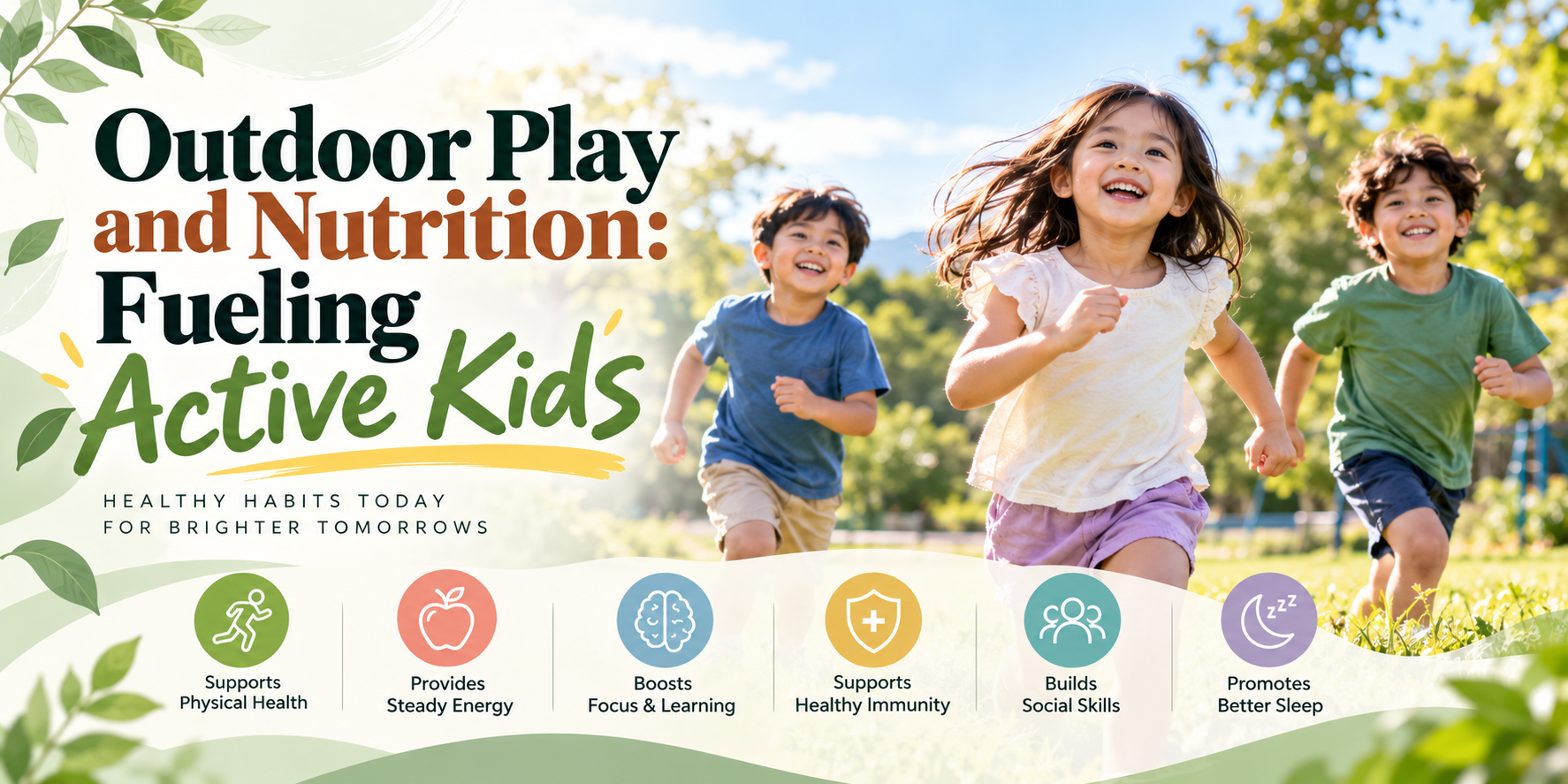
Outdoor play gives children an opportunity to move, explore, imagine and interact with the world around them. From running across a playground to cycling, climbing, swimming or simply spending time in a natural setting, regular outdoor activity can form an important part of a healthy childhood routine.
For parents, however, encouraging active kids is only one part of the picture. Child's nutrition, hydration, sleep and recovery all influence how children feel and function throughout an active day.
This is where fueling active kids becomes important. Growing bodies need a regular supply of carbohydrates, protein, healthy fats, vitamins, minerals and fluids. The goal is not to create a complicated sports nutrition programme. For most children, ordinary nutritious foods, regular meals, healthy snacks and enough water can provide a practical foundation for outdoor play and physical activity.
Why Outdoor Play Matters for Children
Outdoor play encourages children to move naturally rather than remaining seated for long periods. Running, jumping, walking, climbing, throwing and exploring all involve physical activity.
Research shows that children who spend more time outdoors often have higher levels of physical activity than children who spend much of their free time indoors. Outdoor activity can therefore become an enjoyable way to support physical health without making exercise feel like a formal task.
For younger children, play is also a way of learning. They practise balance, coordination, communication, problem-solving and social interaction while moving through different environments.
The Benefits of Outdoor Play Beyond Exercise
The benefits of outdoor play extend beyond physical movement.
Spending time outdoors may provide opportunities for children to:
- Develop social skills.
- Practise cooperation and communication.
- Explore new environments.
- Develop confidence.
- Improve coordination.
- Experience natural settings.
- Reduce prolonged sedentary time.
- Practise emotional regulation.
- Develop independence.
- Experience different forms of child play.
Outdoor play can also support mental health and general well-being. Children often have opportunities to choose activities, negotiate games and solve small challenges when playing with others.
Outdoor Time and Healthy Development
Early childhood is a period of rapid physical, social and cognitive development. Regular outdoor time can complement other healthy routines such as nutritious eating, adequate sleep and family interaction.
For older children and teens, outdoor activity may include organised sports, cycling, hiking, swimming or active games. The type of activity can change with age, but the principle remains similar: children benefit from opportunities to move their bodies regularly.
Parents do not necessarily need expensive equipment or structured training. A park, garden, walking route, playground or other suitable natural setting can provide opportunities for active play.
How Nutrition Supports Active Kids
Fueling active kids starts with recognising that children need food for both growth and physical activity.
Growing bodies require energy for everyday functions as well as movement. Children who are physically active may have greater energy requirements than children who are mostly sedentary, although individual needs vary considerably according to age, growth, body size and activity level.
A balanced diet can provide:
- Carbohydrates for energy.
- Protein for growth and muscle repair.
- Healthy fats for energy and brain function.
- Calcium and vitamin D for bones and teeth.
- Iron for normal oxygen transport.
- Vitamins and minerals for normal body functions.
- Fluids for hydration.
Rather than counting every calorie, parents can focus on food quality, variety and regular eating patterns.
What Does a Balanced Diet Look Like?
A balanced diet for active children can include a combination of:
- Whole grains.
- Fruits.
- Vegetables.
- Lean meats.
- Fish.
- Eggs.
- Dairy foods or suitable alternatives.
- Beans and other legumes.
- Nuts and seeds where age-appropriate.
- Healthy fats.
- Plenty of water.
A simple approach to healthy eating is to offer regular meals alongside nutritious snacks and fluids throughout the day.
The exact balance will differ between children. Some children eat more on highly active days and less on quieter days. This variation can be normal.
Carbohydrates Are Important for Active Play
Carbohydrates are a primary source of energy for high-intensity movement and active play.
Foods containing complex carbohydrates include:
- Whole-grain bread.
- Brown rice.
- Oats.
- Whole-grain cereals.
- Potatoes.
- Sweet potato.
- Corn.
- Fruits.
- Beans and other legumes.
These foods can provide carbohydrates alongside fibre and other nutrients.
For fueling active kids, carbohydrates can be particularly useful before activities because they provide accessible energy for movement.
Simple Carbohydrates and Natural Sources
Not all carbohydrates need to be treated in the same way. Fruits naturally contain carbohydrates together with water, fibre, vitamins and minerals.
For example, a banana, orange, apple or small serving of dried fruit can provide carbohydrate before active play.
The focus should generally be on nutrient-rich foods rather than foods and drinks that provide large amounts of added sugar.
Why Whole Grains Are Useful
Whole grains can provide complex carbohydrates, fibre, vitamins and minerals.
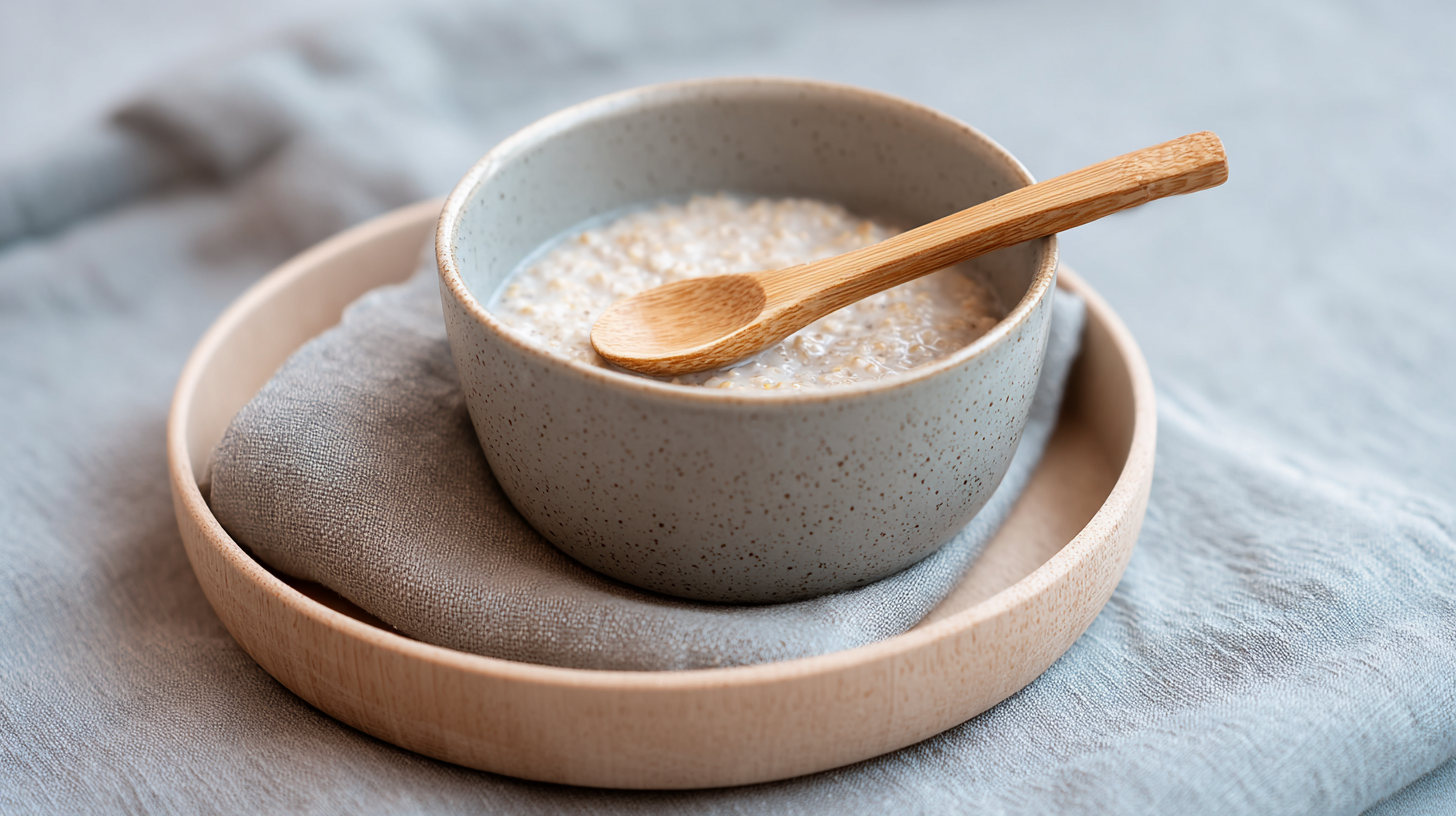
Oats at breakfast, whole-grain bread at lunch or brown rice with an evening meal can help make meals more nutritionally varied.
For busy families, whole-grain foods can also be convenient. A simple sandwich, oat-based breakfast or rice bowl can provide a useful base for a child's meal.
Protein for Growing Bodies
Protein has an important role in growth, tissue development and muscle repair.
Good sources of protein include:
- Eggs.
- Chicken.
- Fish.
- Lean meat.
- Greek yoghurt.
- Milk.
- Cheese.
- Beans.
- Lentils.
- Chickpeas.
- Nuts and nut butters where suitable.
Young athletes need protein for both normal growth and the repair of tissues after physical exertion. However, most active children can meet their protein requirements through ordinary foods rather than specialised sports supplements.
A meal containing a carbohydrate source and protein can be a practical way to support energy and recovery.
Healthy Fats and Children's Nutrition
Healthy fats provide concentrated energy and contribute to normal brain development and function.
Sources can include:
- Avocado.
- Nuts and seeds.
- Nut butters.
- Olive oil.
- Fatty fish.
- Eggs.
- Suitable dairy foods.
Healthy fats can form part of a balanced diet for active kids. They should not be eliminated simply because they contain more calories.
Instead, families can focus on choosing varied sources of unsaturated fats while keeping highly processed foods containing excessive amounts of unhealthy fats occasional.
Calcium and Vitamin D for Active Children
Calcium and vitamin D are particularly important during childhood because bones are developing rapidly.
Calcium can be obtained from foods such as:
- Milk.
- Yoghurt.
- Cheese.
- Calcium-fortified alternatives.
- Certain leafy green vegetables.
- Some fish.
Vitamin D can be obtained through selected foods and, where appropriate, supplementation or safe outdoor exposure according to individual circumstances.
Strong bones are especially relevant for children who regularly run, jump and participate in sports.
Why Iron Matters
Iron is another important nutrient during childhood and adolescence.
Iron-rich foods include:
- Lean meat.
- Eggs.
- Beans.
- Lentils.
- Tofu.
- Fortified cereals.
- Dark leafy vegetables.
Pairing plant sources of iron with foods containing vitamin C can support iron absorption. For example, beans can be served with tomatoes, capsicum or fruit.
Children who follow restricted diets or have particular nutritional concerns may benefit from personalised professional guidance.
Fruits and Vegetables for Active Kids
Fruits and vegetables provide a wide range of vitamins, minerals, fibre and naturally occurring plant compounds.
Different colours can provide different nutrients, so variety is useful.
Parents can offer:
- Bananas.
- Apples.
- Oranges.
- Berries.
- Mango.
- Carrots.
- Cherry tomatoes.
- Broccoli.
- Spinach.
- Capsicum.
- Cucumber.
- Sweet potato.
There is no need to make every meal complicated. A few different fruits and vegetables offered consistently can gradually expand a child's preferences.
Helping Children Try New Foods
Some children are cautious about unfamiliar foods. This is particularly common during younger years.
Involving kids in food preparation can make meals more engaging. Children might wash vegetables, mix ingredients, arrange fruit or choose between two healthy options.
Parents can also continue offering foods without pressuring children to eat them. Familiarity may develop gradually.
The aim of healthy eating is not perfection. It is to create a positive relationship with food while providing a varied diet.
Pre-Activity Nutrition
A child heading outside for active play does not necessarily need a special sports meal.
For many activities, a light meal or snack containing carbohydrate approximately one to three hours before activity can be practical.
Examples include:
- Banana with yoghurt.
- Oats with fruit.
- Whole-grain toast with egg.
- Fruit with Greek yoghurt.
- Sweet potato with a small amount of protein.
- Whole-grain cereal with milk.
The closer the meal is to activity, the more useful it may be to choose foods that are familiar and easy to digest.
Why Timing Matters
Children can become uncomfortable if they eat a large meal immediately before running or playing.
A practical approach is to give the child enough time to digest a meal before more vigorous activity.
For a child who is hungry shortly before activity, a smaller snack may be more suitable than a full meal.
Every child responds differently, so parents can observe what works comfortably for their child.
Fueling Active Kids With Snacks
Snacks can help bridge the gap between meals, especially on days involving substantial physical activity.
A useful snack can combine carbohydrate and protein.
Examples include:
- Banana and yoghurt.
- Apple and nut butter.
- Whole-grain crackers and cheese.
- Fruit and Greek yoghurt.
- Oat-based snacks with milk.
- Whole-grain toast and egg.
These combinations can provide both energy and nutrients.
Why Combining Carbohydrates and Protein Can Help
Carbohydrates provide readily available energy, while protein contributes to growth and tissue repair.
Combining the two in a snack can therefore be useful for children who are active between meals.
Parents do not need to calculate exact ratios for ordinary play. A simple combination of a carbohydrate-rich food and a protein source is often practical.
Hydration Matters During Outdoor Play
Hydration matters whenever children are active, particularly in warm and humid conditions.
Children can become absorbed in play and may forget to drink. Parents can therefore make water breaks part of the routine.
Water can be offered:
- Before outdoor activity.
- During activity.
- After activity.
- With meals.
- During school or community activities.
Active children may need around 5–10 cups of fluids across a day, but individual needs vary according to age, body size, temperature, activity and other factors.
How Much Water Before Exercise?
A commonly used practical range is around 8–16 ounces of water approximately two to three hours before more organised exercise.
For children, however, hydration should be adapted to age and individual needs rather than treated as a strict target.
For shorter periods of ordinary outdoor play, simply offering water before and during activity may be sufficient.
Water Breaks During Play
Children often do not recognise thirst while deeply involved in play.
Parents, teachers and coaches can create natural opportunities for water breaks.
For example:
- Offer water before leaving for the playground.
- Take a short drinking break during longer activities.
- Offer water again after activity.
- Keep water easily accessible.
In hot weather, children may require more frequent opportunities to drink.
Are Sports Drinks Necessary?
For most children participating in ordinary outdoor play, sports drinks are not necessary.
Many young athletes can meet their nutritional needs through ordinary foods and water.
Sports drinks may contain added sugar and are generally designed around particular sporting circumstances rather than everyday hydration.
For routine outdoor play, water is usually the simplest choice.
Hydration and Focus
Adequate hydration contributes to normal physical and cognitive functioning.
When children do not drink enough fluids, they may feel tired or less comfortable, particularly during hot weather or prolonged activity.
Regular water breaks can therefore support comfort, concentration and continued participation in outdoor activities.
Recovery After Physical Activity
After active play, children need time to rest and eat.
Recovery nutrition does not have to involve specialist products. A normal meal containing carbohydrates, protein, vegetables and fluids can provide useful nutrients.
For young athletes involved in more demanding training, a carbohydrate-to-protein ratio of approximately 3:1 or 4:1 is sometimes used as a sports nutrition framework. This should not be treated as a universal requirement for every child.
For ordinary play, a balanced meal or snack is generally a practical approach.
Carbohydrates After Activity
Carbohydrates help replenish energy stores used during physical activity.
Good options include:
- Rice.
- Potatoes.
- Sweet potato.
- Oats.
- Whole-grain bread.
- Pasta.
- Fruit.
Pairing these with a protein source creates a balanced recovery meal.
Protein and Muscle Recovery
Protein supports normal muscle repair and growth.
A child might have chicken with rice, eggs with toast, yoghurt with fruit or beans with whole grains after activity.
There is generally no need for protein powders or specialised supplements unless recommended for a specific reason by an appropriately qualified professional.
A Sample Day of Fueling Active Kids
A practical day might look like this:
Breakfast: Oats with milk, banana and berries.
Morning snack: Greek yoghurt and fruit.
Lunch: Chicken or beans with brown rice, vegetables and fruit.
Afternoon activity: Water before and during outdoor play.
Post-play snack: Whole-grain toast with egg or yoghurt with fruit.
Dinner: Fish or lean chicken, sweet potato, vegetables and rice.
Evening: Water as needed and a consistent bedtime routine.
This is only an example. Children's appetite, food preferences and nutritional requirements differ.
Outdoor Play and Mental Well-Being
Outdoor play is not only about calories or physical fitness.
Time outdoors can give children opportunities to:
- Explore.
- Imagine.
- Socialise.
- Solve problems.
- Manage emotions.
- Develop confidence.
- Experience independence.
- Build communication skills.
These experiences can contribute to emotional regulation and mental well-being.
Outdoor Play and Social Skills
Children playing together learn to share space, negotiate rules and respond to other people's ideas.
Games can involve cooperation, turn-taking and communication.
For older children, team sports can add another layer of social interaction. However, unstructured play can be equally valuable.
Parents can encourage social outdoor time without making every activity competitive.
Risk-Taking and Outdoor Play
Some forms of age-appropriate risk taking can help children develop confidence and learn how to assess situations.
Climbing, balancing, jumping and exploring uneven surfaces can provide challenges.
Safety remains important. The goal is not to remove every challenge, but to provide an environment where children can explore within reasonable boundaries.
Outdoor Play and Sleep
Research has associated outdoor activity and regular physical movement with sleep-related benefits in children.
Active children may have opportunities to use physical energy during the day, while natural outdoor environments can also provide a change from screens and sedentary activities.
Sleep remains an important part of recovery, growth, learning and general well-being.
The Connection Between Sleep and Nutrition
Nutrition, physical activity and sleep work together.
A child who is physically active may require sufficient food and fluids to support energy needs. A child who sleeps poorly may experience changes in appetite, mood and energy.
A consistent routine can help families balance:
- Meals.
- Snacks.
- Outdoor activity.
- Screen time.
- Water breaks.
- Rest.
- Bedtime.
Creating a Family Routine
Busy schedules can make healthy routines difficult. Parents may have school, work, commuting and household responsibilities to manage.
Simple routines can therefore be more sustainable than complicated plans.
Families can:
- Keep fruit readily available.
- Prepare simple snacks in advance.
- Carry water during outdoor activities.
- Plan meals around school and activity schedules.
- Encourage outdoor time after school.
- Eat together where possible.
- Involve children in meal preparation.
Small changes can accumulate over time.
Making Healthy Choices Easier
Children often choose foods that are convenient and visible.
Parents can make nutritious choices easier by keeping foods such as fruit, yoghurt, whole-grain snacks and prepared vegetables accessible.
This reduces the need for constant negotiation.
Instead of asking children to choose between healthy and unhealthy foods repeatedly, families can create an environment where nutritious options are readily available.
Nutrition for Different Ages
Nutritional requirements change as children grow.
Younger children generally require smaller portions than older children. Older children and teens participating in organised sports may have greater energy and fluid requirements.
Ages 4–6 are sometimes associated with broad daily energy estimates around 1,600–2,200 calories in general nutrition guidance, but individual needs can vary considerably.
Calories should therefore not be treated as a fixed target for every child.
Young Athletes Have Two Priorities
Young athletes have nutritional requirements related to both growth and exercise.
They need sufficient energy to support normal development while also providing fuel for training and activity.
This makes regular meals particularly important.
Skipping meals can make it more difficult to maintain energy throughout a busy day.
The Importance of Calcium and Iron During Adolescence
Calcium and iron become particularly important during periods of rapid growth.
Children and teens can obtain calcium through dairy foods and suitable alternatives. Iron can come from meat, eggs, legumes and fortified foods.
For children with vegetarian or highly restricted diets, professional guidance may help ensure adequate nutrient intake.
Outdoor Play in Malaysia
For Malaysian families, outdoor activity can take place in many different settings, including parks, playgrounds, gardens, walking areas and community spaces.
Warm and humid weather means hydration deserves particular attention.
Families can consider cooler parts of the day for outdoor activity and make water easily available.
Sun protection and appropriate clothing are also practical considerations during outdoor time.
Air Pollution and Outdoor Activity
Outdoor air quality can vary. Parents should consider local conditions before planning prolonged outdoor activity, particularly when air pollution levels are elevated.
When conditions are unsuitable, indoor movement can provide an alternative.
The broader goal is regular physical activity, not outdoor exposure at all costs.
Equitable Access to Outdoor Play
Not every family has the same access to parks, sports facilities or safe outdoor spaces.
Many barriers can affect outdoor activity, including busy schedules, transport, weather, safety concerns and access to suitable facilities.
Families can look for practical opportunities within their circumstances. Walking, active household games, community spaces and simple movement activities can all contribute to physical activity.
Outdoor Play Without Expensive Equipment
Children do not need expensive sports equipment to be active.
Simple activities can include:
- Walking.
- Running games.
- Dancing.
- Ball games.
- Skipping.
- Tag.
- Hide and seek.
- Cycling.
- Nature walks.
- Playground activities.
Creativity can turn ordinary family time into active time.
Involving Kids in Meal Preparation
Involving kids in preparing food can help them become familiar with different ingredients.
Younger children can wash fruits and vegetables or mix ingredients. Older children can help prepare sandwiches, salads or simple meals under appropriate supervision.
Meal preparation can also become an opportunity to talk about carbohydrates, protein, fruits, vegetables and hydration without turning food into a complicated lesson.
Building Healthy Eating Habits
Healthy eating habits develop over time.
Children may have days when they eat enthusiastically and other days when their appetite is smaller.
Parents can focus on what a child eats across the broader week rather than expecting every meal to be perfectly balanced.
Offering variety, maintaining regular meal times and creating a positive eating environment can help establish healthy habits.
What About Picky Eaters?
Picky eating can make child's nutrition more challenging.
Instead of forcing a child to finish a particular food, parents can continue offering familiar foods alongside smaller portions of new foods.
For example, a child who likes rice might gradually be introduced to brown rice. A child who likes yoghurt might try it with different fruits.
Repeated exposure can make unfamiliar foods feel more familiar.
A Simple Plate for Active Kids
A practical meal can contain:
Carbohydrate: rice, oats, bread, potatoes or sweet potato.
Protein: chicken, fish, eggs, beans, lentils or yoghurt.
Vegetables: broccoli, carrots, spinach, cucumber or tomatoes.
Fruit: banana, apple, orange, berries or mango.
Healthy fat: avocado, nuts, seeds or olive oil where appropriate.
Fluid: water.
This structure does not need to be followed rigidly at every meal.
Food Before Organised Sports
Children participating in sports may benefit from more deliberate meal planning.
A carbohydrate-rich meal or snack one to three hours before activity can provide accessible energy.
Examples include:
- Oats and fruit.
- Whole-grain toast and banana.
- Rice with a small amount of lean protein.
- Yoghurt and fruit.
- Sweet potato with egg.
Avoid introducing unfamiliar foods immediately before important sporting activities.
Food During Longer Activities
For ordinary outdoor play, water is generally enough.
Longer sporting sessions may have different requirements, particularly when children are active for extended periods in hot conditions.
Parents of children participating in regular competitive sport may benefit from individual advice from a qualified sports dietitian or healthcare professional.
Recovery for Young Athletes
Recovery involves more than food.
Children also need:
- Water.
- Rest.
- Sleep.
- Regular meals.
- Appropriate activity levels.
- Time away from structured training.
A balanced recovery meal can contain carbohydrates and protein, along with vegetables or fruit.
For more demanding sports programmes, professional guidance can help families plan appropriate nutrition without unnecessarily relying on supplements.
Avoiding Excess Added Sugar
Foods and drinks high in added sugar can contribute energy without providing the broad range of nutrients found in whole foods.
Limiting highly sugary drinks and snacks can leave more room in the diet for nutrient-rich foods.
This does not mean children need to avoid every sweet food. A balanced approach is generally more realistic for family life.
Why Sports Drinks Can Be Misleading
Sports drinks can appear attractive because they are associated with athletic performance.
However, ordinary outdoor play is different from prolonged competitive training.
For many children, water and regular meals provide sufficient support.
Parents should consider the intensity and duration of activity before assuming that a sports drink is necessary.
Reading Children's Hunger and Fullness Signals
Children naturally experience changes in appetite.
Active days may increase hunger, while quieter days may reduce it.
Parents can provide nutritious options and allow children to respond to their own hunger and fullness signals where appropriate.
This can help establish a healthier relationship with food.
The Role of Parents in Healthy Eating
Children learn by observing adults.
Eating balanced meals together can demonstrate healthy eating habits without requiring constant instruction.
Parents can model drinking water, eating vegetables, enjoying fruit and participating in physical activity.
Family routines can therefore influence both nutrition and activity patterns.
Making Outdoor Time Part of Everyday Life
Outdoor activity does not always need to be a separate event.
Families can:
- Walk short distances when practical.
- Visit a local park.
- Play outside after school.
- Garden together.
- Walk the dog.
- Cycle together.
- Play ball games.
- Explore nature.
Small amounts of movement can add up throughout the day.
When Professional Guidance May Help
Most families can support everyday fueling active kids through ordinary nutritious foods.
Professional guidance may be useful when a child has:
- Significant food restrictions.
- Ongoing digestive concerns.
- Unusual fatigue.
- Poor growth.
- A diagnosed nutritional deficiency.
- Highly specialised sporting requirements.
- A restricted vegetarian or vegan diet.
- A medical condition affecting nutrition.
A healthcare professional or appropriately qualified dietitian can provide advice based on the child's individual circumstances.
A Practical Weekly Approach
Parents do not need to plan every meal around sports.
A weekly approach can include:
Daily:
Regular meals, nutritious snacks, water, movement and adequate sleep.
Several times each week:
Outdoor play, different fruits and vegetables, whole grains and varied protein sources.
During sports:
Appropriate meals, water breaks and recovery food.
For family wellbeing:
Shared meals, outdoor time, relaxed play and sufficient rest.
This creates a flexible foundation for healthy living.
The Bigger Picture of Fueling Active Kids
Fueling active kids is ultimately about providing the foundations needed for growth, movement and everyday well-being.
Outdoor play provides opportunities for physical activity, social development and exploration. Nutrition supplies energy and essential nutrients. Water supports hydration. Sleep provides time for rest and recovery.
No single food, supplement or sports product can replace these foundations.
Key Nutrition Principles for Active Kids
The most useful principles are simple:
- Offer regular meals.
- Include nutritious snacks when needed.
- Make carbohydrates part of active children's diets.
- Provide quality protein throughout the day.
- Include healthy fats.
- Offer fruits and vegetables regularly.
- Pay attention to calcium and iron.
- Make water readily available.
- Encourage outdoor activity.
- Allow sufficient time for sleep and recovery.
Key Outdoor Play Principles
Outdoor play can be supported by:
- Making activity enjoyable.
- Providing age-appropriate challenges.
- Encouraging social play.
- Allowing children to explore.
- Limiting excessive sedentary time.
- Considering weather and air quality.
- Providing appropriate supervision.
- Encouraging regular outdoor time.
The objective is to create positive experiences rather than pressure children to perform.
Fueling active kids does not need to be complicated. Most children can receive the nutrients needed for normal growth and everyday activity through a varied diet based around whole grains, fruits, vegetables, protein foods, healthy fats and adequate fluids.
At the same time, outdoor play provides much more than exercise. It can encourage movement, social skills, confidence, exploration and emotional well-being.
For busy Malaysian families, the most practical approach is to build simple habits that can be maintained consistently: nutritious meals, water breaks, regular movement, outdoor time, adequate sleep and positive family routines.
Children do not need a perfect diet or a highly structured training programme to benefit from healthy habits. What matters is creating an environment where nutritious food, physical activity, rest and family connection become normal parts of everyday life.
Disclaimer
This article is provided for educational purposes only and does not replace personalised professional advice. Children's nutritional requirements, physical activity needs and development can vary according to age, growth, health, activity level and individual circumstances. Parents should seek advice from a qualified healthcare professional or appropriately qualified dietitian when they have specific concerns about a child's nutrition, growth, hydration, physical activity or well-being.