%201.svg)








For many people, a warm drink before bedtime is part of a relaxing evening routine. Goat milk is one option that has attracted interest because of its nutritional value, distinctive protein structure and naturally occurring minerals. Understanding the goat milk benefits can help people decide whether it fits comfortably into their overall diet.
Goat milk contains protein, calcium, phosphorus, magnesium, potassium and several vitamins. It also has naturally occurring lactose, fatty acids and oligosaccharides. While drinking goat milk at night does not automatically provide special health effects, including it as part of a balanced diet may contribute useful nutrients to daily intake.
Why Goat Milk Is Popular Before Bedtime
A warm serving of common goat milk can be an enjoyable part of an evening routine. Its creamy texture and slightly tangy flavour make it different from cow milk, while its nutritional profile makes it a practical dairy option for many adults.
The possible benefits of drinking goat milk before bedtime are mainly related to its nutrient content rather than the specific time it is consumed. Individual responses can also vary according to dietary habits, serving size and tolerance.
Goat Milk Has a Distinctive Nutritional Profile
The nutritional value of goat milk comes from a combination of protein, minerals, vitamins and fats. One cup can provide a meaningful amount of calcium, while also contributing phosphorus and magnesium to the diet.
Goat milk is also naturally rich in vitamin A and contains zinc and selenium. These nutrients have important roles in normal body function and general well being.
A balanced diet remains important because no single food provides every nutrient needed by the body.
A Useful Source of Protein
Protein is one of the notable components of goat's milk. It contributes to normal maintenance of body tissues and can help make a drink more nutritionally substantial than many non-dairy beverages.
Goat milk proteins have a different composition from those found in cow milk. Goat milk also contains a higher proportion of A2 beta-casein proteins, although this does not mean that everyone will experience the same digestive response.
Goat Milk and Its Softer Curd
One commonly discussed characteristic of goat milk is the way its proteins behave during digestion. Goat's milk forms a softer curd than cow milk under certain digestive conditions.
This structural difference has led to interest in goat milk as a potentially digestible alternative for some people. However, current evidence does not establish that goat milk is universally easier to digest.
People with individual dairy sensitivities should consider their own response rather than assuming that goat milk will automatically be suitable.
Smaller Fat Globules in Goat Milk
Goat milk naturally contains relatively smaller fat globules than cow milk. Fat globule size is one of several physical characteristics that can influence how milk behaves during digestion.
Goat milk also contains a mixture of short-, medium- and long-chain fatty acids. Medium-chain fatty acids are sometimes discussed in relation to metabolic utilisation, but the presence of these fats should not be interpreted as a guarantee of a particular health outcome.
What About Lactose?
Goat milk is not lactose free. It contains approximately 4.1% lactose, compared with around 4.7% in cow milk, although exact values can vary.
This slightly lower lactose level means that some people with mild lactose intolerance may find goat milk more comfortable than cow milk. However, tolerance differs considerably between individuals.
Those with significant lactose-related dietary restrictions should seek personalised professional advice before making goat milk a regular part of their diet.
Oligosaccharides and Gut Health
Another interesting feature of goat milk is its naturally occurring oligosaccharides. These complex carbohydrates can interact with the digestive environment and may act as prebiotic components.
Research into goat milk suggests that these compounds may support beneficial gut bacteria, including bacteria associated with a healthy digestive ecosystem.
Fermented products such as goat milk kefir may contain additional microorganisms produced during fermentation. Their nutritional and microbial profiles depend on how the products are made.
Minerals for Normal Body Function
Goat milk provides several essential minerals, including calcium, phosphorus and magnesium.
Calcium and phosphorus have recognised roles in maintaining normal bones and teeth, while magnesium contributes to numerous normal body processes. Goat milk can therefore contribute to overall nutrient intake when consumed as part of a varied diet.
It is worth remembering that nutritional requirements differ according to age, lifestyle and individual circumstances.
Vitamin A and Other Vitamins
Goat milk is generally a useful source of vitamin A, which contributes to normal vision, immune function and the maintenance of normal skin.
It also contains several B vitamins, although its nutritional profile differs from that of cow milk. In particular, goat milk can contain lower amounts of vitamin B12 and folate than cow milk.
For this reason, variety remains important when planning a balanced diet.
Goat Milk and Medium-Chain Fatty Acids
Goat milk contains a notable proportion of medium-chain triglycerides and other fatty acids. These fats are metabolised differently from longer-chain fats, which is one reason they receive attention in nutritional research.
However, claims that goat milk directly manages cholesterol levels or provides therapeutic effects should be treated cautiously. The overall dietary pattern is much more important than one source of fat.
Could Goat Milk Support an Evening Routine?
There is no strong basis for claiming that goat milk itself produces a specific bedtime effect. Nevertheless, a warm drink can become part of a consistent evening routine.
For adults who already tolerate dairy well, a modest serving of goat milk may provide protein, calcium and other nutrients while fitting comfortably into an evening meal plan.
The experience can also be influenced by personal preferences, including the distinctive taste and creamy texture of goat milk.
Goat Milk and Energy Intake
Goat milk contains calories from protein, carbohydrates and fat. This means it can contribute to daily energy intake.
For people who are active or have higher nutritional requirements, these calories may be useful within an appropriately balanced diet. Conversely, people monitoring their overall energy intake should consider the serving size.
The aim should be to view goat milk as one component of the diet rather than a standalone nutritional powerhouse.
Goat Milk May Suit Some Dietary Preferences
Some people choose goat milk because they enjoy its flavour or prefer its nutritional profile. Others may choose it as an alternative dairy option when planning meals with different types of milk.
Goat milk is also used to make foods such as goat cheese and fermented products. These foods can have different nutrient profiles from fresh milk because processing changes their composition.
Personal taste, dietary requirements and tolerance are therefore important factors when choosing between different milk sources.
What About Dairy Sensitivities?
Goat milk is still dairy and contains milk proteins. People who react to cow milk proteins may also react to goat milk because the proteins have structural similarities.
For this reason, goat milk should not automatically be considered suitable for people with diagnosed dairy allergies or significant sensitivities.
A healthcare professional can provide individual guidance where dietary reactions are a concern.
Is Goat Milk Suitable for Everyone?
Not necessarily. Although many people consume goat milk without difficulty, tolerance varies.
People with severe lactose intolerance, diagnosed dairy allergies or other dietary restrictions should seek personalised advice before regularly consuming goat milk.
Children also have age-specific nutritional requirements, so the suitability of ordinary goat milk should be considered carefully rather than assumed from its nutrient profile alone.
Goat Milk Compared With Other Milk Choices
Cow milk, sheep milk and goat milk each have different nutritional characteristics. Goat milk tends to contain smaller fat globules, a different protein composition and slightly less lactose than cow milk.
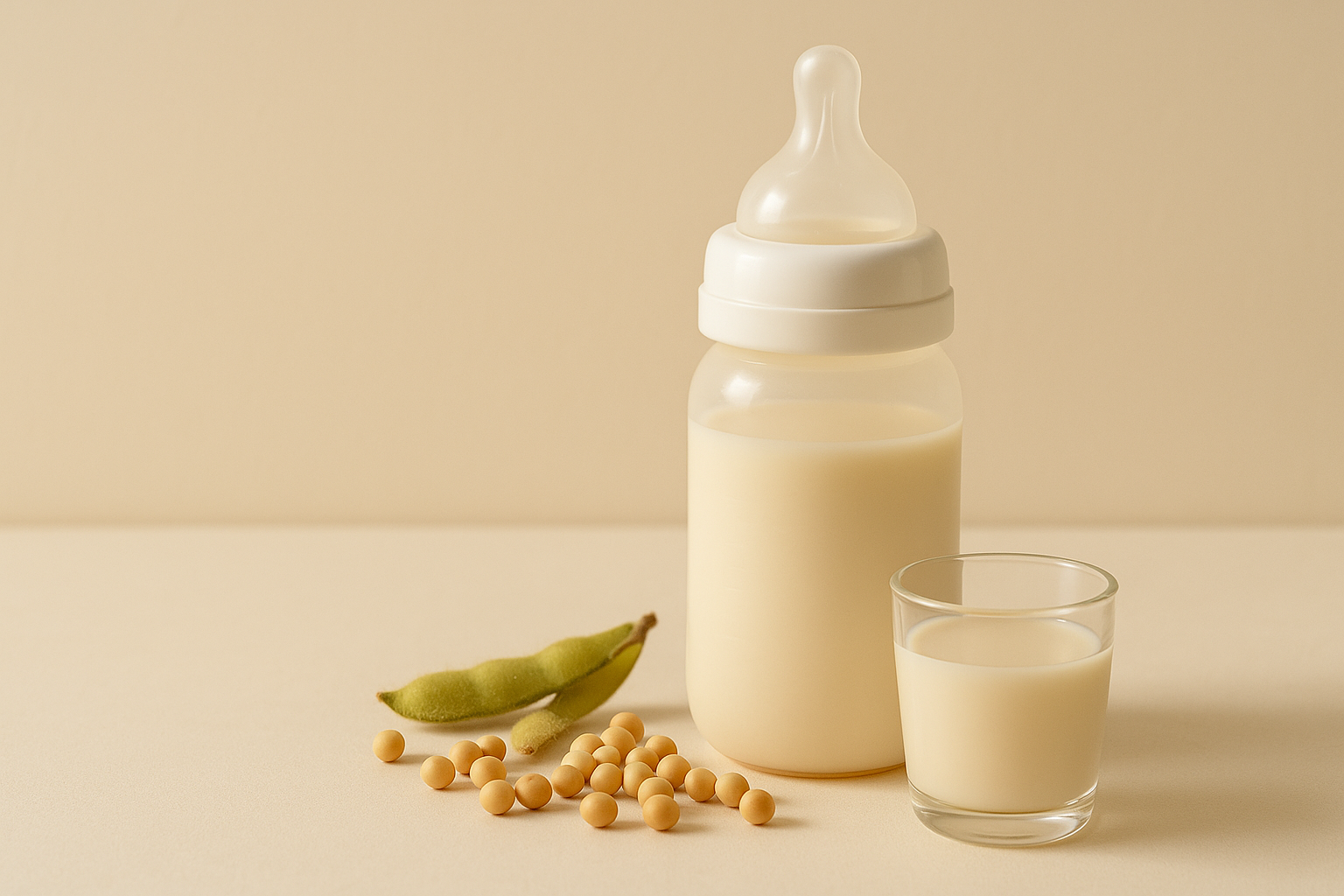
Plant-based beverages such as almond or soy drinks have entirely different nutritional profiles and should not automatically be considered equivalent to dairy milk.
The best choice depends on nutritional requirements, dietary preferences, tolerance and the wider eating pattern.
How to Include Goat Milk in the Evening
For adults who tolerate goat milk, it can be consumed on its own or incorporated into everyday foods.
Some simple options include:
- A warm cup of goat milk in the evening
- Goat milk blended into a smoothie
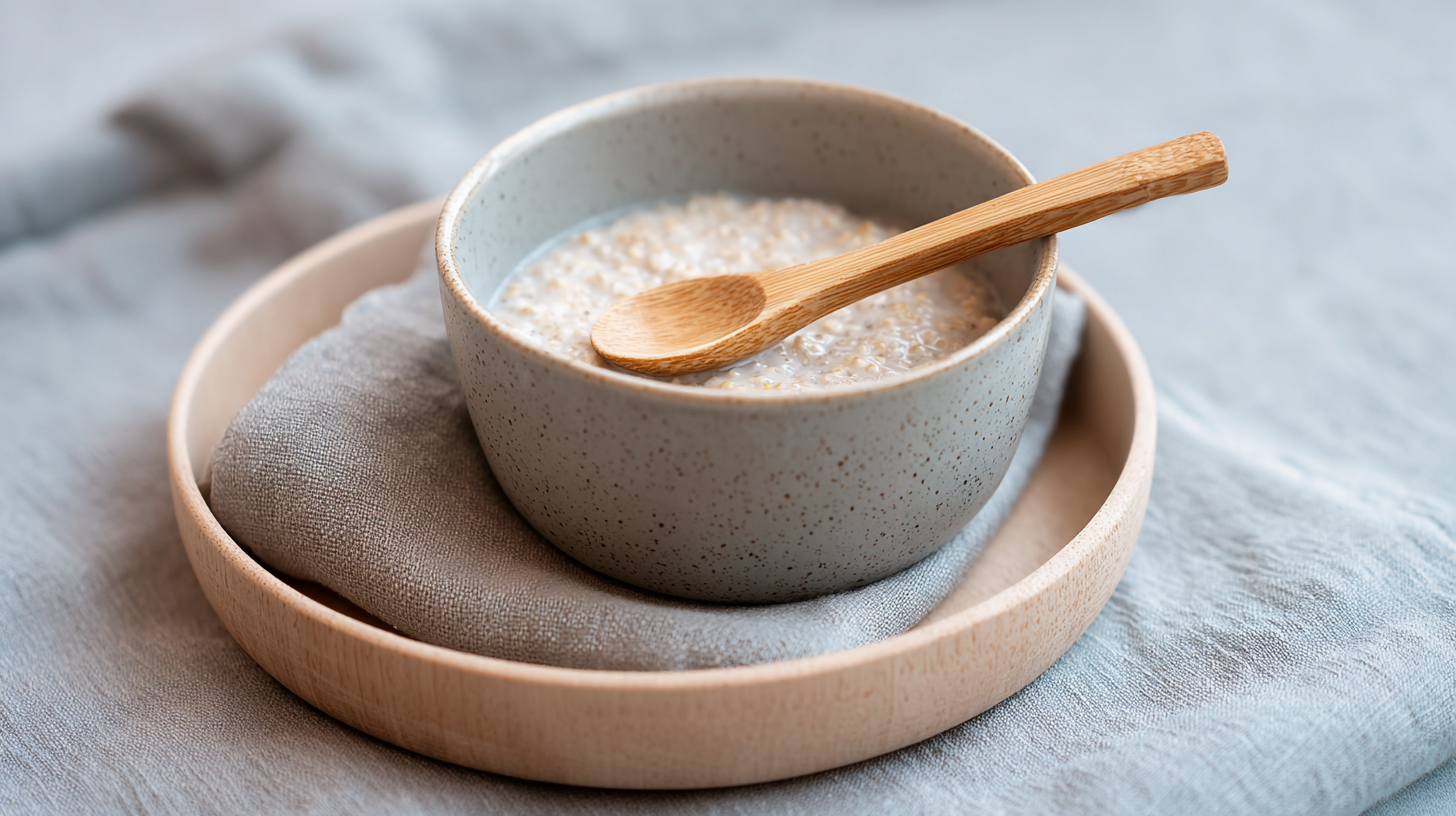
- Goat milk added to porridge
- Goat milk used in homemade sauces
- Yoghurt or fermented goat milk products as part of a meal
- Goat cheese combined with vegetables and wholegrain foods
These approaches can make goat milk part of a varied diet rather than relying on it as the sole source of nutrition.
Choosing Goat Milk Quality
When buying goat milk, consider freshness, storage conditions and how the product has been processed.
Pasteurised milk is generally preferred over raw milk because appropriate processing helps reduce food safety risks. Once opened, goat milk should be stored according to the product instructions and kept properly chilled.
Checking the ingredient and nutrition information can also help consumers understand the product they are purchasing.
How Much Goat Milk Should You Drink?
There is no universal bedtime serving that suits everyone. A suitable amount depends on the individual's overall diet, nutritional requirements and tolerance.
A moderate serving may fit comfortably into an evening routine, particularly when the rest of the day's diet already includes a variety of vegetables, fruit, grains, protein sources and other nutrient-rich foods.
Are There Real Benefits to Drinking It Before Bed?
The goat milk benefits associated with an evening serving mainly come from its nutritional composition rather than from drinking it at a particular time.
Goat milk provides protein, calcium, phosphorus, magnesium, potassium, vitamin A and fatty acids. Its softer curd characteristics and smaller fat globules are also areas of nutritional interest.
However, there is currently no strong evidence that consuming goat milk specifically before bedtime creates unique benefits compared with consuming it at another time of day.
The Bottom Line on Goat Milk Benefits
Goat milk can be a nutritious dairy option for people who tolerate it. Its protein, calcium, phosphorus, magnesium, potassium, vitamin A, fatty acids and naturally occurring oligosaccharides contribute to its overall nutritional profile.
Its slightly lower lactose content, smaller fat globules and different protein structure may make it an appealing choice for some individuals, although digestive responses vary.
Drinking goat milk before bedtime can therefore be part of a pleasant and nutritious evening routine, but its value should be considered within the context of the entire diet. A varied, balanced eating pattern remains central to meeting nutritional needs and supporting overall well being.
Disclaimer
This article is provided for educational purposes only and does not replace personalised professional healthcare advice. Individual nutritional needs and tolerance can vary, so anyone with specific dietary concerns should seek appropriate personalised healthcare guidance.