%201.svg)







For many Malaysian families, choosing suitable dairy products for growing children involves considering nutrition, taste, digestion and the child's individual dietary needs. Goat milk for growing children has attracted attention because of its distinctive nutritional profile and naturally occurring protein, fat and mineral composition.
Kiko Grow provides a goat milk-based option for families interested in incorporating goat milk into a balanced diet. Understanding the characteristics of goat milk, how it differs from cow's milk, and how it can fit into a child's diet can help families make informed nutritional choices.
What Makes Goat Milk Different?
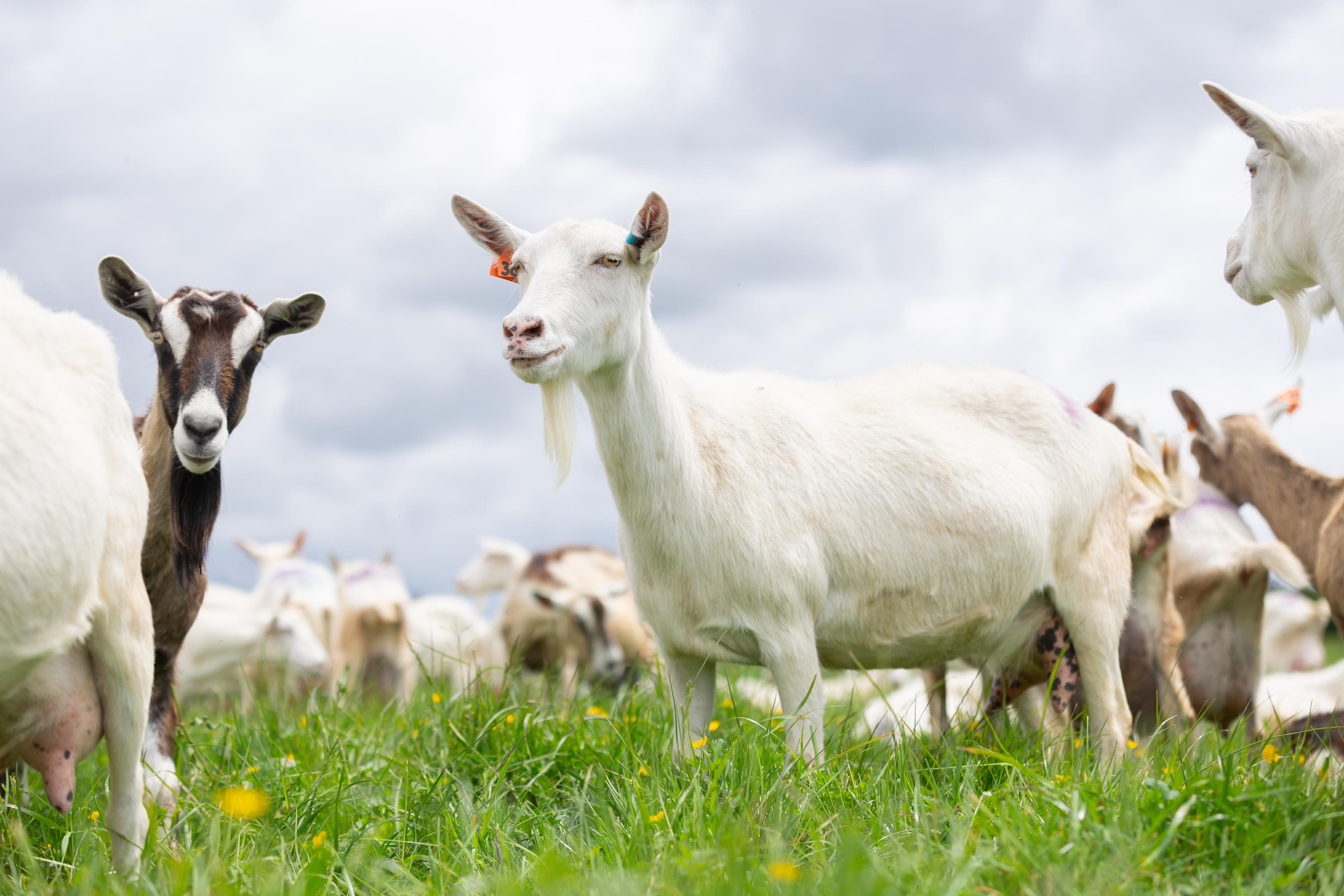
Goat milk is a natural dairy food produced by goats and consumed in many parts of the world. Like cow's milk, it provides protein, calcium, phosphorus, potassium, magnesium and vitamin A.
However, its protein composition and fat structure differ from cow's milk. Goat's milk proteins contain a lower proportion of αS1-casein, while goat milk predominantly contains A2-casein protein. These structural differences are one reason researchers continue to study goat milk within the field of dairy science.
Goat milk also contains smaller fat globules, which may contribute to its distinctive digestion characteristics.
Goat Milk for Growing Children and Nutrition
Growing children require a varied diet containing protein, carbohydrates, healthy fats, vitamins and minerals. Milk can contribute to this overall nutritional pattern, but it should be considered alongside other nutrient-rich foods.
Goat milk provides several important nutrients, including:
- Protein for normal growth and body maintenance
- Calcium and phosphorus for bone development
- Magnesium for normal body functions
- Vitamin A for normal physiological functions
- Potassium as an important mineral
- Naturally occurring fats that provide energy
The nutritional value of goat milk means it can form part of a balanced dietary pattern for children when introduced at an appropriate age.
The Role of Protein in a Child's Diet
Protein plays a vital role during childhood because the body is continually developing and building new tissues. Goat milk provides high-quality protein containing various essential amino acids.
The protein structure compared with cow's milk is one area of interest in goat milk research. Goat milk proteins can form softer curds during digestion, which may contribute to a different digestive experience for some children.
Individual responses vary, however. A child who finds one type of milk comfortable may respond differently to another.
Smaller Fat Globules and Digestion
One frequently discussed characteristic of goat milk is its fat structure. Goat milk contains smaller fat globules than cow's milk.
Fat provides energy and helps the body absorb certain fat-soluble vitamins. Goat milk's fat composition also includes a higher proportion of medium-chain fatty acids than cow's milk.
Some research suggests that these characteristics may contribute to the easier digestion of goat milk for some individuals. However, digestive responses are personal and can depend on the child's overall diet, age and tolerance.
Goat Milk and Lactose
An important point when considering goat milk for growing children is that goat milk still contains lactose.
Goat milk generally contains somewhat less lactose than cow's milk, but the difference does not make it lactose-free. Therefore, children with lactose intolerance may still experience digestive symptoms after consuming goat milk.
Parents should consider the child's individual response rather than assuming that goat milk will automatically be suitable for lactose-sensitive children.
Goat Milk, Dairy Proteins and Allergies
Goat milk remains a dairy food and contains milk proteins. Children with a confirmed cow's milk protein allergy may also react to goat milk because the proteins share structural similarities.
For this reason, goat milk should not automatically be considered a safe alternative for children with diagnosed dairy allergies.
Families managing a known allergy or significant digestive concern should discuss dietary choices with a qualified healthcare provider.
Nutrients Important for Bone Development
Calcium and phosphorus are particularly relevant during the growing years because they contribute to the normal development and maintenance of bones and teeth.
Goat milk is naturally rich in these minerals and also provides magnesium and potassium. Including appropriate dairy foods within a varied diet can therefore contribute to a child's overall nutritional intake.
However, milk alone cannot provide every nutrient required for healthy growth. Foods such as leafy greens, legumes, eggs, fish, grains, fruits and vegetables can provide additional nutrients that support a varied dietary pattern.
Vitamin A and Other Micronutrients
Goat milk naturally provides vitamin A, along with several B-group vitamins and minerals.
Vitamin A has important roles in normal physiological functions, while minerals such as calcium and magnesium contribute to normal body processes.
The exact nutritional profile can vary depending on the milk source, processing method and formulation. When choosing a goat milk product, families should therefore consider the complete nutritional information rather than focusing on one nutrient alone.
Goat Milk and Gut Health
Goat milk naturally contains oligosaccharides, which are carbohydrate compounds that have attracted interest in nutritional research.
These compounds may interact with microorganisms in the digestive system and are being studied for their potential role in supporting a healthy gut environment.
Goat milk also has a protein structure that can produce softer curds during digestion. Together with its fat characteristics, this may explain why some children report or experience a gentler digestive response.
Still, gut health depends on many factors, including fibre intake, hydration, dietary variety and overall eating habits.
Taste Preferences Matter
Taste is another practical consideration when introducing a new dairy product.
Goat milk is often described as having a creamy flavour with a mild earthy or slightly tangy character. The final taste can be influenced by goat breed, feed, farm management, freshness and processing.
Children have individual taste preferences, so acceptance can vary. Introducing new foods gradually and serving them in familiar recipes may help children become accustomed to different flavours.
How Kiko Grow Fits into a Child's Diet
Kiko Grow is centred on goat milk as a nutritional option for growing children. Families considering a goat milk-based product can look at its nutritional composition, ingredients, preparation requirements and intended age range before incorporating it into a child's diet.
The broader value of goat milk comes from its combination of protein, calcium, phosphorus, potassium, magnesium, vitamin A and naturally occurring dairy components.
Rather than viewing one food as the sole source of nutrition, Kiko Grow can be considered within the wider context of a varied dietary pattern that includes whole foods and other essential nutrients.
Goat Milk and Energy for Growing Children
Children are active throughout the day and need adequate energy from food. Goat milk contains protein and naturally occurring fat, which can contribute to daily energy intake.
The presence of medium-chain fatty acids is another interesting feature of goat milk. These fats are metabolised differently from some longer-chain fatty acids and can contribute to the body's energy supply.
Adequate energy intake can support normal daily activities, learning, physical activity and general well being when combined with sufficient sleep and a varied diet.
Introducing Goat Milk at the Appropriate Age
Age is an important consideration when selecting dairy products.
Unmodified goat milk should not be used as the primary milk drink for children below 12 months of age. During the early life stage, nutritional requirements are different, and appropriate formulated nutrition should be selected according to professional guidance.
After 12 months of age, pasteurised goat milk can be considered as part of a balanced diet for suitable children. Families can begin with small servings and observe how the child responds.
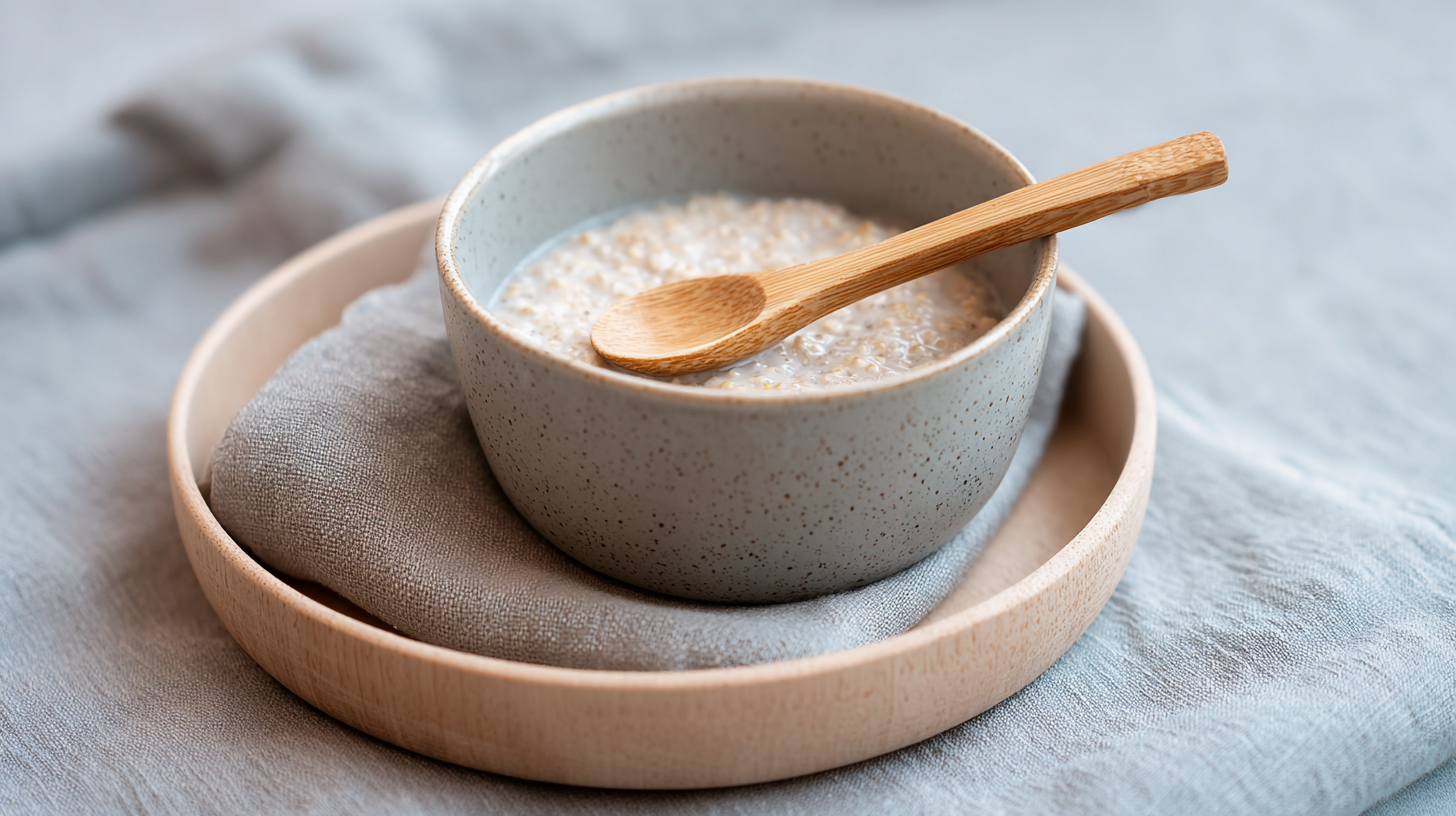
Goat milk can also be incorporated into foods such as porridge, sauces or smoothies when appropriate for the child's age and dietary pattern.
Goat Milk in Everyday Recipes
For older children, goat milk can be used in a variety of familiar foods.
Some practical options include:
- Porridge prepared with goat milk
- Fruit smoothies
- Homemade yoghurt
- Pancakes and baked foods
- Creamy vegetable recipes
- Breakfast cereals
Using goat milk in recipes can introduce its distinctive taste while adding protein, calcium and other nutrients to meals.
Choosing Goat Milk for a Growing Child
When considering goat milk for growing children, several factors deserve attention:
- Age suitability – Select products appropriate for the child's age.
- Nutritional profile – Look at protein, calcium, vitamins and minerals.
- Ingredient quality – Review the complete ingredient list.
- Dietary balance – Use milk alongside a varied selection of foods.
- Digestive response – Observe how the child responds to a new food.
- Taste – Consider whether the flavour suits the child's preferences.
- Food safety – Choose appropriately processed and stored dairy products.
These factors can help families approach goat milk as part of an overall nutrition plan rather than relying on one food alone.
Goat Milk and a Balanced Diet
A balanced diet for growing children includes a broad variety of foods. Goat milk can provide protein and minerals, but it does not replace the nutritional diversity provided by fruits, vegetables, grains, legumes and other protein-rich foods.
For example, iron-rich foods remain important because goat milk is naturally low in iron. A varied child's diet can help provide nutrients that may not be present in significant amounts in milk.
This broader approach supports adequate nutrition while allowing children to develop varied food preferences.
Kiko Grow and Malaysian Families
Malaysia's diverse food culture provides many opportunities to incorporate nutritious foods into everyday meals. Goat milk can be used alongside familiar foods and recipes, making it possible to introduce different flavours without changing the overall structure of family meals.
For families exploring Kiko Grow, understanding the characteristics of goat milk can make the decision more informed. Its protein composition, calcium content, naturally occurring minerals and distinctive fat structure are all relevant considerations.
The most appropriate choice ultimately depends on the child's age, nutritional needs, dietary pattern, taste preferences and individual tolerance.
Goat milk for growing children offers a distinctive nutritional profile that includes protein, calcium, phosphorus, magnesium, potassium and vitamin A. Its smaller fat globules, softer curd formation and different protein composition have also made goat milk an area of continued nutritional research.
Kiko Grow provides a goat milk-based option for families exploring these characteristics as part of a balanced diet. However, goat milk should be viewed as one component of overall nutrition rather than a complete replacement for dietary variety.
By considering age suitability, nutritional needs, food safety, taste and individual tolerance, families can make thoughtful decisions about including goat milk in a child's everyday diet.
Disclaimer
This article is provided for educational and informational purposes only. It does not replace personalised professional healthcare advice or individual nutritional guidance. Children's nutritional requirements vary according to age, development and individual circumstances. Families should consult an appropriate healthcare professional when they have specific questions about a child's diet, allergies, digestive concerns or nutritional needs.