%201.svg)








For many families, choosing suitable nutrition for young children involves considering ingredients, nutritional value, digestibility and individual dietary needs. One option receiving increasing attention is goat milk formula for children.
Goat milk has a distinctive nutritional profile, including naturally occurring protein, calcium, potassium, magnesium and vitamins. Formulated goat milk products are designed differently from ordinary goat milk so that they can provide nutrients appropriate for a particular early life stage.
Interest in goat milk formula does not necessarily mean that it is universally preferable to other milk formulas. Instead, families may explore it because of its different protein structure, fat composition, taste and potential digestive characteristics.
Understanding the differences can help parents make informed choices based on their child's nutritional needs and individual response.
What Is Goat Milk Formula?
Goat milk formula is a specially formulated nutritional product that uses goat milk as its primary dairy base. Unlike ordinary goat milk, an appropriately formulated product is adjusted and fortified to provide the nutrients required for the intended age group.
This distinction is particularly important for young children. Goat milk alone does not provide a complete nutritional profile for children during the earliest stages of life.
A nutritionally complete formula is designed to provide key nutrients in suitable amounts, including protein, carbohydrates, fats, vitamins and minerals.
Why Is Goat Milk Receiving More Attention?
The growing interest in goat milk formula for children is partly connected to the unique characteristics of goat milk.
Goat milk contains naturally occurring proteins and fats that differ structurally from those found in cow's milk. It also contains oligosaccharides, which have attracted interest because of their relationship with healthy gut bacteria.
Some families are also interested in goat milk because it has a different flavour profile and may provide a different digestive experience.
However, individual children respond differently to different milk formulas, so popularity should not be confused with universal suitability.
Goat Milk Protein and Digestion
One of the most discussed characteristics of goat milk is its protein composition.
Goat milk proteins form softer curds during digestion than cow milk proteins. This structural difference may contribute to what some families describe as gentle digestion.
Goat milk also contains lower levels of alpha-S1-casein than cow's milk. At the same time, goat milk naturally contains a higher proportion of A2 beta-casein.
These characteristics have led researchers to examine whether goat milk-based products may be tolerated differently by some young children.
It is important to remember that easier digestion for one child does not mean the same response will occur in another.
Smaller Fat Globules in Goat Milk
Another characteristic of goat milk is its fat structure.
The fat globules in goat milk are smaller than those generally found in cow milk. Goat milk also contains a different balance of fatty acids, including short- and medium-chain fatty acids.
Fat contributes energy to the diet and helps the body utilise fat-soluble nutrients. Differences in fat structure may also influence how milk is processed during digestion.
These characteristics are among the reasons goat milk continues to receive attention within nutritional research.
Goat Milk and Gut Health
Goat milk naturally contains oligosaccharides. These carbohydrates can interact with microorganisms in the digestive system and are being studied for their potential contribution to gut health.
Oligosaccharides may provide substrates that support beneficial gut microorganisms. Some goat milk-based formulas also include additional ingredients intended to provide a nutritional environment suitable for healthy digestion.
This does not mean that goat milk formula will produce the same digestive response in every child. Digestive comfort can be influenced by age, diet, feeding patterns and individual tolerance.
Goat Milk Is Not Lactose-Free
A common misconception is that goat milk does not contain lactose.
In reality, goat milk contains lactose, just as cow's milk does. Goat milk may contain somewhat less lactose than cow milk, but it should not be regarded as lactose-free.
Therefore, children who are lactose intolerant may still experience digestive symptoms when consuming goat milk or goat milk-based products.
Parents should avoid choosing goat milk solely because they believe it contains no lactose.
Goat Milk and Cow Milk Protein Sensitivity
Another important consideration involves dairy protein sensitivity.
Goat milk proteins have similarities to cow milk proteins. Consequently, a child with a confirmed cow's milk protein allergy may also experience an allergic reaction to goat milk.
For this reason, goat milk formula should not be considered a safe substitute for children with diagnosed cow milk protein allergies.
Families dealing with an allergy or significant digestive concern should seek individual advice from an appropriate healthcare provider before changing formulas.
Is Goat Milk Formula Hypoallergenic?
Goat milk formula should not be described as hypoallergenic.
Although its protein structure differs from cow milk, the two types of dairy protein share important similarities. This means that goat milk proteins can still trigger allergic reactions in susceptible children.
The distinction between different protein structures and allergy suitability is therefore important.
A formula being based on goat milk does not automatically mean it is appropriate for a child with a known dairy protein allergy.
Goat Milk Formula and Nutritional Completeness
Properly formulated goat milk-based products can be designed to provide complete nutrition for their intended age group.
Commercial milk formulas are generally formulated with carefully selected quantities of protein, fat, carbohydrate, vitamins and minerals. Depending on the formulation, ingredients may include iron, folic acid, vitamin D, vitamin A and other essential nutrients.
This is very different from simply giving a young child ordinary goat milk.
Appropriate formulation is essential because natural goat milk alone has nutritional limitations, particularly during the earliest life stage.
Key Nutrients Found in Goat Milk
Goat milk naturally provides several important nutrients.
These include:
- Calcium
- Potassium
- Magnesium
- Protein
- Vitamin A
- Riboflavin
- Phosphorus
- Naturally occurring fats
Calcium and phosphorus contribute to normal bone development, while protein contributes to the maintenance and development of body tissues.
Vitamin A has roles in normal physiological functions, and dietary fats contribute energy.
A varied diet remains important because no single food provides every nutrient required throughout childhood.
Goat Milk and Healthy Growth
Current research indicates that appropriately formulated goat milk-based products can support normal growth and development when they provide adequate amounts of essential nutrients.
Studies comparing properly formulated goat milk and cow milk formulas generally report similar growth outcomes. This suggests that the nutritional adequacy of the complete formula is more important than simply choosing one type of milk.
For families considering goat milk formula for children, the nutritional composition and intended age range are therefore important factors.
Goat Milk Formula and Digestive Comfort
Some children may experience digestive discomfort when switching between milk formulas. Goat milk formula has attracted interest because its proteins can form softer curds and its fat globules are relatively small.
Some research suggests that these characteristics may contribute to a different digestive response for certain children.
However, goat milk formula should not be presented as a guaranteed solution for stomach issues, constipation or other digestive concerns.
When switching formulas, parents can monitor their child's response, including feeding tolerance, stool changes and general comfort.
Oligosaccharides and Beneficial Gut Bacteria
The naturally occurring oligosaccharides in goat milk are another area of nutritional interest.
These compounds can serve as substrates for certain microorganisms in the digestive system. As a result, goat milk-based nutrition is sometimes discussed in relation to healthy gut bacteria.
The gut microbiome is influenced by many factors, including diet, age and overall health. Goat milk formula should therefore be viewed as one part of a broader nutritional pattern.
Goat Milk Compared with Cow Milk Formula
Both goat milk formula and cow milk formula can be nutritionally complete when appropriately formulated.
The key differences are primarily related to the source milk and its protein and fat composition.
Goat milk generally has:
- A different protein structure
- Lower alpha-S1-casein levels
- A higher proportion of A2 beta-casein
- Smaller fat globules
- Different fatty acid proportions
- Naturally occurring oligosaccharides
These differences may explain why some children have different digestive experiences with goat milk-based products.
However, research generally does not demonstrate major overall growth or health advantages for goat milk formula compared with nutritionally complete cow milk formula.
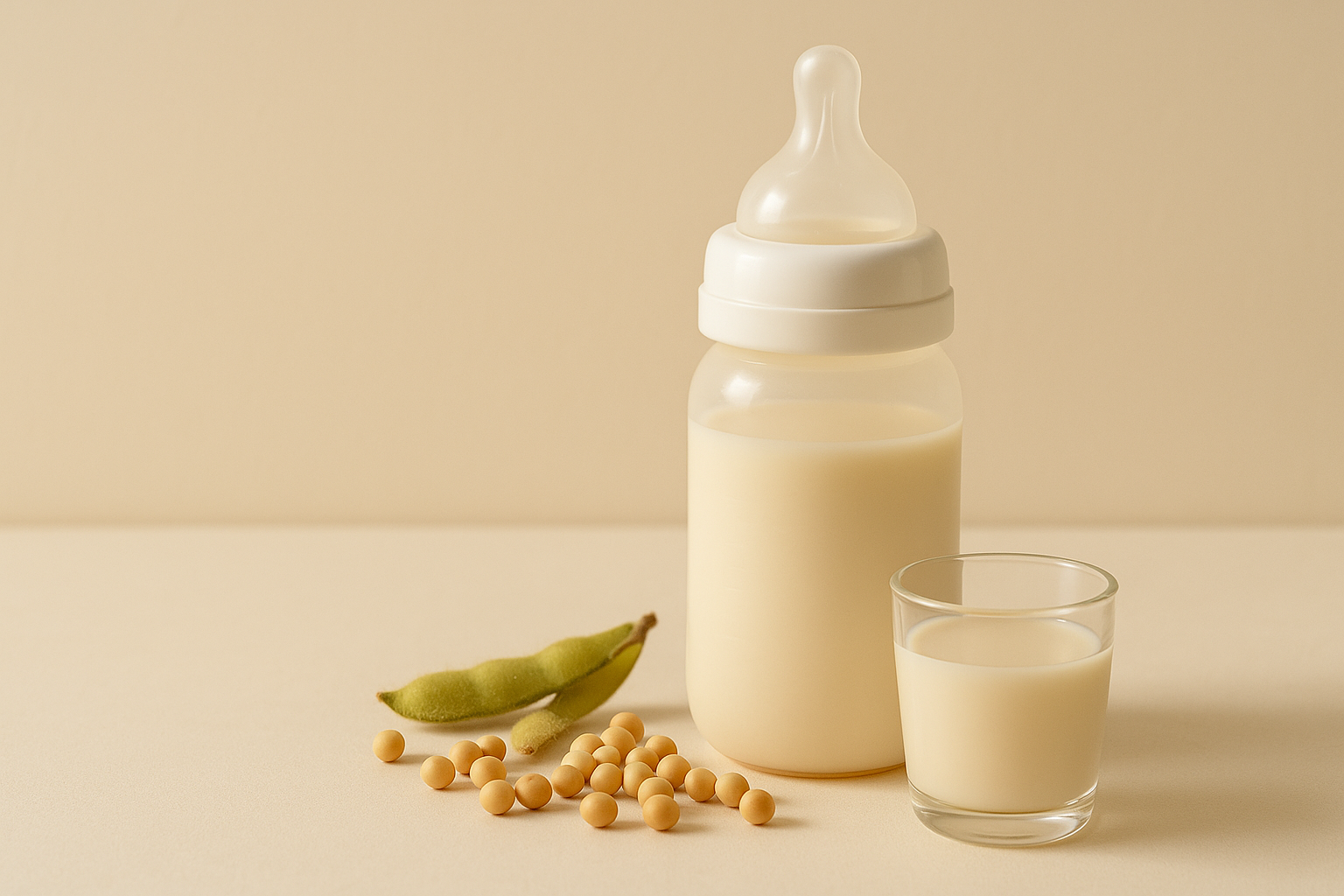
What About Soy Milk?
Soy milk has a different nutritional profile because it is plant-based rather than dairy-based.
It naturally provides plant protein but does not have the same dairy protein structure, lactose content or fat composition as goat milk.
For young children, choosing between dairy-based and plant-based nutrition should take into account age, nutritional requirements and the overall diet.
Parents should not assume that all milk alternatives provide equivalent amounts of essential nutrients.
Important Ingredients in Formulated Nutrition
Parents comparing formulas may notice ingredients such as vegetable oils, fish oil-derived nutrients, DHA, folic acid, calcium compounds, vitamins and minerals.
Ingredients such as DHA may be included as part of nutritional formulations intended to provide fatty acids associated with normal development.
Other nutrients, including vitamin D, iron, zinc and folic acid, can also contribute to meeting nutritional requirements.
The presence of an ingredient should be considered alongside its quantity and the overall nutritional profile rather than viewed in isolation.
What Parents Should Consider Before Switching?
Before introducing a new formula, parents can consider several practical factors.
Age suitability
Choose a product designed for the child's specific age and nutritional stage.
Nutritional composition
Review protein, fat, carbohydrate, vitamins and minerals to understand what the formula provides.
Ingredient quality
Consider the complete ingredient list rather than focusing on one highlighted ingredient.
Digestive response
Observe how the child responds after a dietary change.
Allergies and sensitivities
Children with known dairy protein allergies require particular care because goat milk proteins can cross-react with cow milk proteins.
Professional healthcare guidance
A healthcare provider can help families determine whether a particular formula is appropriate for an individual child.
Is Goat Milk Safe for Young Children?
Appropriately formulated goat milk products can be suitable for their intended age group when prepared and used according to product instructions.
However, ordinary goat milk should not be used as a replacement for nutritionally complete early-life-stage formula before 12 months of age.
Goat milk alone can be deficient in nutrients such as iron and folate for the earliest stages of development. Using unmodified goat milk as the primary milk source during this period may therefore create nutritional concerns.
Why Formulation Matters
The nutritional difference between ordinary goat milk and goat milk based formula is significant.
Natural goat milk contains valuable nutrients, but it does not automatically provide the precise nutritional balance required by young children during early development.
A specially formulated product can be adjusted to provide nutrients such as iron, folate, vitamin D and other essential vitamins and minerals.
This is why families should distinguish between goat milk as a food and a professionally formulated milk formula intended for a specific age group.
Goat Milk and Taste Preferences
Taste can also influence whether a child accepts a new milk formula.
Goat milk is often described as having a mild, creamy and slightly distinctive flavour. Some children may prefer this flavour, while others may prefer the taste of cow milk-based products.
There is no single flavour preference shared by all children.
Introducing a new formula should therefore involve attention to both nutritional suitability and the child's individual response.
Monitoring Your Child After a Formula Change
When switching formulas, parents may notice changes in feeding patterns, stool consistency, appetite or general digestive comfort.
Minor changes can occur when the diet changes, but persistent or concerning symptoms should not simply be attributed to the formula.
If a child develops signs of an allergic reaction, significant digestive distress or other concerning symptoms, parents should seek appropriate professional guidance.
This approach allows families to distinguish normal dietary adjustment from a response that may require further attention.
Final Thoughts on Goat Milk Formula for Children
The growing interest in goat milk formula for children reflects interest in different nutritional profiles, protein structures and digestive characteristics.
Goat milk contains high-quality protein, calcium, potassium, magnesium and vitamin A. Its smaller fat globules, lower alpha-S1-casein content, A2 beta-casein profile and naturally occurring oligosaccharides make it nutritionally distinct from cow milk.
At the same time, goat milk is not lactose-free and is not hypoallergenic. Children with cow milk protein allergies may also react to goat milk proteins.
For healthy young children, properly formulated goat milk and cow milk formulas can both provide nutritionally complete options. The most appropriate choice depends on age, nutritional requirements, dietary circumstances and individual tolerance.
For families considering a change, understanding the differences between whole goat milk, goat milk formula and other milk formulas can make the decision more informed and practical.
Disclaimer
This article is intended for educational and informational purposes only. It does not replace personalised professional healthcare advice or individual nutritional guidance. Children's nutritional needs vary according to age, development and individual circumstances. Parents should consult an appropriate healthcare professional for personalised advice regarding formula selection, allergies, digestive concerns or dietary changes.