%201.svg)








Modern families often explore different nutritional options as children grow through the early life stage and beyond. Among these options, goat milk formula has attracted increasing attention because of its nutritional composition and the way it is formulated to meet the dietary needs of young children who require an alternative milk formula under appropriate guidance. While balanced nutrition remains the foundation of healthy growth, understanding the characteristics of goat milk formula can help parents make informed decisions that align with their family's circumstances.
Current research suggests that nutrition during the early years contributes to normal growth, learning, energy levels and general wellbeing. Alongside a varied diet, responsive caregiving and healthy daily routines, an appropriately prepared formula may form part of a child's nutritional intake when recommended by a healthcare professional.
It is important to distinguish between goat milk itself and goat milk based formula. Plain goat milk does not provide the complete nutritional profile required during the early life stage, whereas commercially prepared goat milk formula is fortified with carefully balanced vitamin, minerals, iron, folic acid, docosahexaenoic acid (DHA), arachidonic acid (ARA), l-carnitine, sodium ascorbate, magnesium chloride, ascorbyl palmitate and other essential nutrients to support normal development.
What Is Goat Milk Formula?
Goat milk formula is a specially prepared milk formula that uses goat milk proteins as its primary protein base while being enriched with additional nutrients required for complete nutrition during the early life stage.
Unlike plain goat milk, commercial goat milk based formula is carefully formulated to provide balanced amounts of protein, carbohydrates, fats, vitamins and minerals. The nutritional composition is designed to support normal growth while meeting recognised nutritional specifications for formula sold in many parts of the world.
Current research suggests that commercially prepared goat milk formula contains nutrient levels broadly comparable to appropriately formulated cow milk based products. Rather than focusing on one ingredient, families should consider the overall nutritional profile when selecting a suitable formula.
Understanding Goat Milk Proteins
One feature frequently discussed is the unique composition of goat milk proteins.
Current evidence suggests that goat milk naturally contains a greater proportion of beta casein in the A2 form compared with many varieties of cow's milk, which commonly contain both A1 and A2 proteins.
Researchers continue to study how these natural differences influence digestion and nutrient utilisation. While an emerging role has been observed in digestive characteristics, current evidence does not establish that goat milk formula is generally easier to digest than every cow milk based formula.
The protein profile is only one part of a complete nutritional picture. Fat composition, carbohydrates, vitamins and minerals also contribute to the overall characteristics of the finished milk formula.
Fat Composition and Digestion
Another frequently discussed characteristic of goat milk formula relates to fat structure.
Current research suggests that goat milk naturally contains more short- and medium-chain fatty acids than cow's milk. It also contains smaller fat globules, which may influence how fat is processed during digestion.
In addition, goat milk has been observed to form softer curds during digestion compared with many traditional cow's milk products. Because of these characteristics, an emerging role has been observed regarding digestion and nutrient absorption.
However, it is equally important to recognise that current scientific evidence does not conclude that goat milk formula is universally easier to digest than cow's milk formula for every child. Digestive responses vary between individuals, and little tummies may respond differently depending on many factors.
Goat Milk Formula and Nutritional Composition
Commercial goat milk formula is developed to provide a balanced nutritional profile suitable for normal growth and development.
Typical formulations contain carefully selected ingredients, including:
- Goat milk proteins
- Lactose as a carbohydrate source
- Carefully selected vegetable oils
- Essential vitamin and minerals
- Iron
- Folic acid
- Docosahexaenoic acid (DHA)
- Arachidonic acid (ARA)
- L-carnitine
- Magnesium chloride
- Sodium ascorbate
- Ascorbyl palmitate
These ingredients are included within established maximum levels and minimum nutritional ranges specified for commercial formula products.
Current research also suggests that goat milk naturally provides selenium and naturally occurring oligosaccharides, while commercial formulas may contain additional ingredients designed to support complete nutrition.
Goat Milk Formula Compared with Cow Milk Based Formula
Families often compare goat milk formula with cow milk based formula when considering nutritional options.
Both products are designed to provide balanced nutrition during the early life stage and both are fortified to support normal growth.
Some differences frequently discussed include:
- Goat milk naturally contains A2 beta casein.
- Cow's milk commonly contains a mixture of A1 and A2 proteins.
- Goat milk generally contains more short- and medium-chain fatty acids.
- Goat milk forms softer curds during digestion.
- Commercial products provide broadly similar levels of essential nutrients after fortification.
Current evidence suggests that although these compositional differences exist, nutritional suitability should always be considered within the context of the individual child's overall dietary needs.
Goat Milk Formula and Sensitive Tummies
Many parents explore goat milk formula because they are interested in products designed for sensitive tummies or tiny tummies.
Current research suggests that some characteristics of goat milk, including softer curd formation and smaller fat globules, may influence digestive processes.
However, scientific evidence does not support the conclusion that goat milk formula is suitable for every child experiencing digestive discomfort.
Responses differ between individuals, and several factors beyond the type of milk formula may contribute to feeding experiences.
Important Considerations for Families
Selecting a formula can sometimes feel overwhelming, particularly for first-time parents.
When comparing products, families may consider:
- Nutritional composition
- Age suitability
- Feeding guide
- Preparation instructions
- Storage recommendations
- Overall dietary intake
- Individual nutritional requirements
A healthcare professional or pediatrician can provide personalised advice when questions arise regarding nutritional choices or feeding routines.
Current research supports making informed decisions based on reliable nutritional information rather than marketing claims.
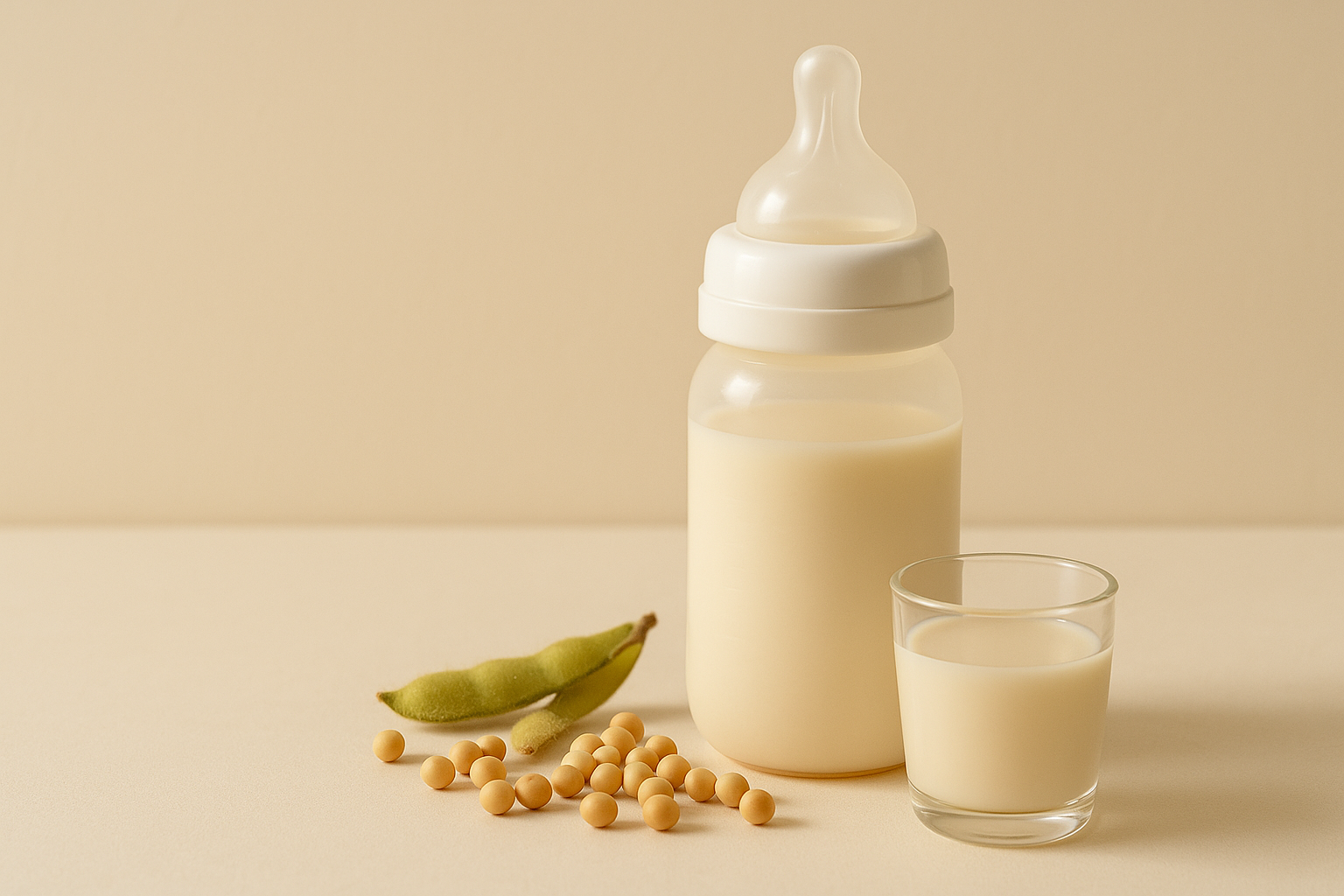
Comparing Goat Milk Formula with Soy-Based Formula
Some families may also consider soy milk based formula when discussing feeding options.
Each protein base has unique nutritional characteristics, and suitability depends on individual circumstances rather than one option being universally appropriate.
Current evidence suggests that goat milk formula, cow milk based formula and soy-based products each have different ingredient profiles, nutritional compositions and intended uses.
Rather than selecting a product based on isolated claims, families are encouraged to review the complete nutritional information and discuss any concerns with a qualified healthcare professional.
Bottle Feeding and Everyday Nutrition
For families who choose bottle feeding, careful preparation is an important part of supporting safe and balanced nutrition.
Helpful practices include:
- Following the product feeding guide
- Preparing each bottle according to the manufacturer's instructions
- Using the recommended quantity of formula
- Avoiding unnecessary dilution or concentration
- Storing prepared feeds appropriately
Consistent preparation helps ensure children receive the intended balance of nutrients.
Goat Milk Formula in Modern Family Nutrition
Today's families often balance busy schedules while supporting the nutritional needs of their children.
Balanced nutrition extends beyond goat milk formula and includes:
- A varied food intake as children grow
- Regular meal routines
- Adequate hydration
- Physical activity
- Sufficient sleep
- Positive family interactions
Current research suggests that nutrition works alongside these lifestyle factors to support general wellbeing, learning and everyday energy levels.
Making Informed Decisions
Choosing a suitable milk formula can sometimes feel overwhelming, particularly for first-time parents.
Helpful considerations include:
- The child's age
- Overall nutritional needs
- Medical history
- Ingredient list
- Nutritional composition
- Preparation requirements
- Professional guidance
Making informed decisions involves considering the complete nutritional profile rather than focusing on a single ingredient or marketing message.
Frequently Asked Questions
Is plain goat milk the same as goat milk formula?
No. Plain goat milk does not provide the complete balance of nutrients required during the early life stage. Commercial goat milk formula is specifically fortified to provide appropriate nutrition.
Does goat milk formula contain lactose?
Yes. Goat milk formula naturally contains lactose, so it may not be suitable for children with lactose intolerance unless advised by a healthcare professional.
Is goat milk formula suitable for children with cow's milk protein allergy?
Current evidence suggests that goat milk formula is generally not suitable for children with a diagnosed cow's milk protein allergy, as goat milk proteins may trigger a similar allergic reaction.
Does goat milk formula digest differently?
Current research suggests that goat milk forms softer curds and contains smaller fat globules together with more short- and medium-chain fatty acids. These characteristics may influence digestion; however, evidence does not conclude that goat milk formula is universally easier to digest than cow milk based formula.
What nutrients are commonly added to goat milk formula?
Commercial formulations are typically fortified with nutrients such as iron, folic acid, essential vitamin and minerals, DHA, ARA, l-carnitine, sodium ascorbate, magnesium chloride and other carefully balanced ingredients.
Goat milk formula has become an increasingly recognised option within modern family nutrition because of its carefully balanced nutritional composition and unique characteristics derived from goat milk. Commercial formulations are developed to provide complete nutrition through carefully selected ingredients, including essential vitamins, minerals, proteins and healthy fats.
Current research suggests that natural differences in goat milk proteins, fat composition and curd formation continue to be areas of scientific interest. At the same time, evidence indicates that goat milk formula and cow milk based formula provide broadly similar nutritional profiles when appropriately fortified.
Every child has individual nutritional needs. Families can support healthy growth by combining balanced nutrition, responsive caregiving, regular health reviews and reliable nutritional information when making feeding decisions. Seeking personalised advice from a qualified healthcare professional remains the most appropriate approach whenever questions arise about feeding choices.
Disclaimer
This article is provided for educational and informational purposes only. It is not intended to replace personalised advice from a qualified healthcare professional. Nutritional needs vary between individuals, and feeding decisions should always take into account the specific requirements of the child and the guidance of an appropriately qualified professional.