%201.svg)









Helping a young child reach a healthy weight can sometimes be challenging, especially when appetite is low or growth seems slower than expected. Many children experience periods of poor growth or become slightly underweight, which may worry caregivers. Understanding practical weight gain tips for children can help improve food intake, increase calories, and support healthy development.
A balanced plan focuses on nutrient-dense foods, regular meals, and structured snack times. These habits ensure a child receives enough nutrients, protein, and calories needed for proper growth and steady weight gain.
Understanding Healthy Weight Gain
Healthy weight gain means helping children increase body weight gradually while maintaining good nutrition. Instead of relying on sugary snacks, caregivers should focus on whole foods that provide important nutrients.
Some children may be underweight due to picky eating, illness, or increased activity. If poor growth continues, monitoring intake and ensuring the right amount of energy-dense foods can help a child gain weight safely.
Signs of Poor Growth in Children
Occasional appetite changes are common, but persistent poor growth may indicate a need for dietary changes. Signs may include low weight, reduced appetite, or difficulty finishing meals.
If children remain underweight for their age, caregivers should track food intake and consider increasing calorie-rich foods. If concerns continue, it is important to speak with a pediatrician for professional information.
Increase Calories with Olive Oil and Healthy Fats
Adding calorie-rich ingredients is one of the easiest strategies to support weight gain. Cooking foods with olive oil or other healthy oil options can significantly increase the total calories without increasing portion size.
Healthy fats such as avocado, nut butter, and dairy foods provide essential nutrients and help children maintain a healthy weight. A small amount of olive oil added to vegetables, pasta, or rice can boost energy intake while keeping the diet balanced.
Focus on High-Calorie Nutrient-Dense Foods
A balanced diet should include foods rich in nutrients and protein. These foods help children grow and maintain healthy body weight.
Examples of nutrient-dense foods include:
- Full-fat milk
- Cheese
- Eggs
- Yogurt
- Fruits like bananas and mangoes
- Cooked vegetables
- Whole grains such as rice
Offer Regular Meals and Snack Times
Structured mealtimes and snack times are important for supporting weight gain in children. Experts recommend offering three main meals and two to three snacks daily.
Small, frequent meals help ensure the child receives enough calories per day. Nutritious snacks may include cheese, yogurt, fruits, or whole-grain toast with nut butter.
Providing regular snacks prevents hunger dips and helps children eat more consistently.
Use Milk, Smoothies, and Milkshakes
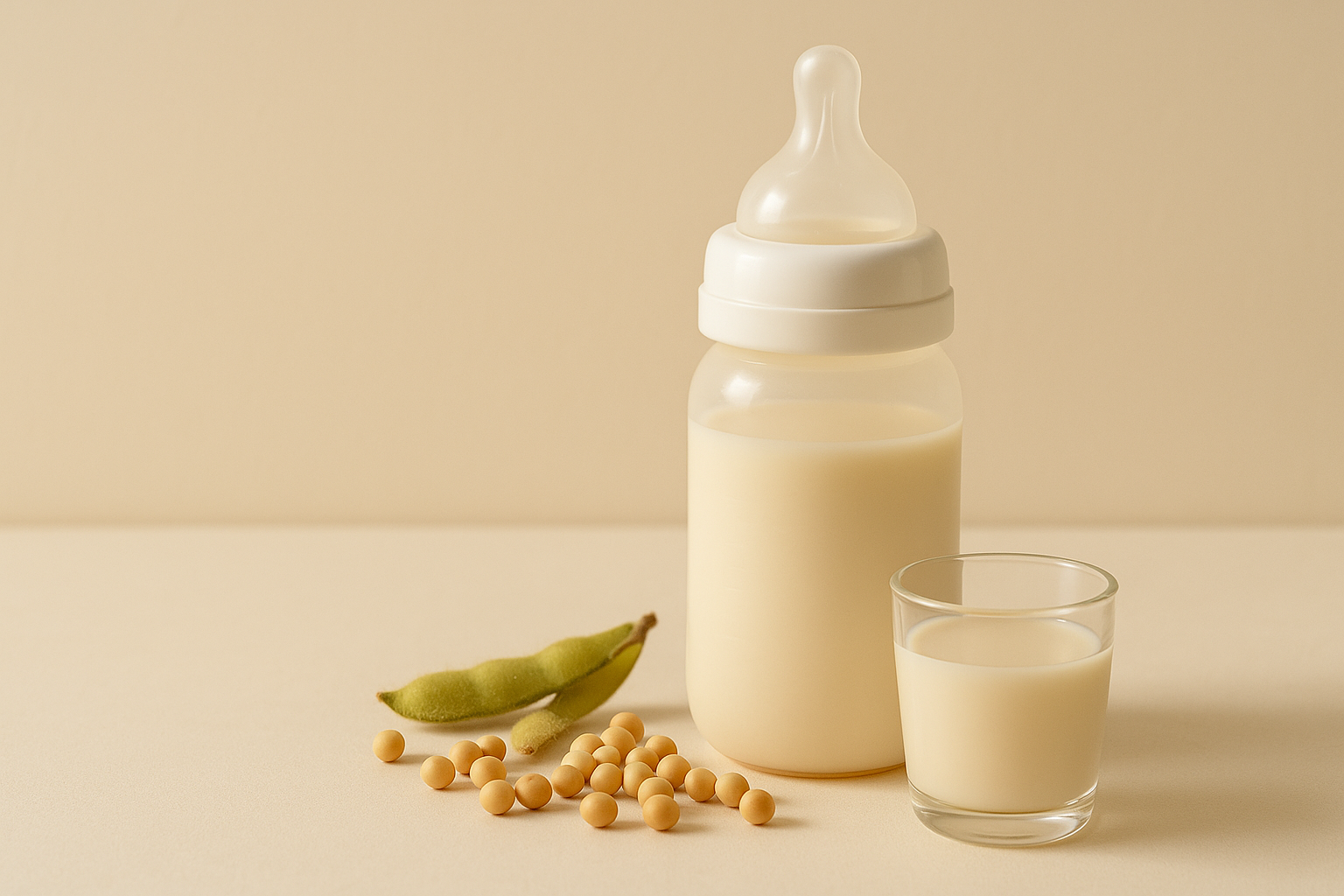
High-calorie drinks can help increase a child's daily intake. Milk, smoothies, and milkshakes are excellent options for boosting calories.
Blending milk, yogurt, fruits, and nut butter creates nutritious smoothies packed with protein and essential nutrients. Homemade milkshakes can also support healthy weight gain when served between meals.
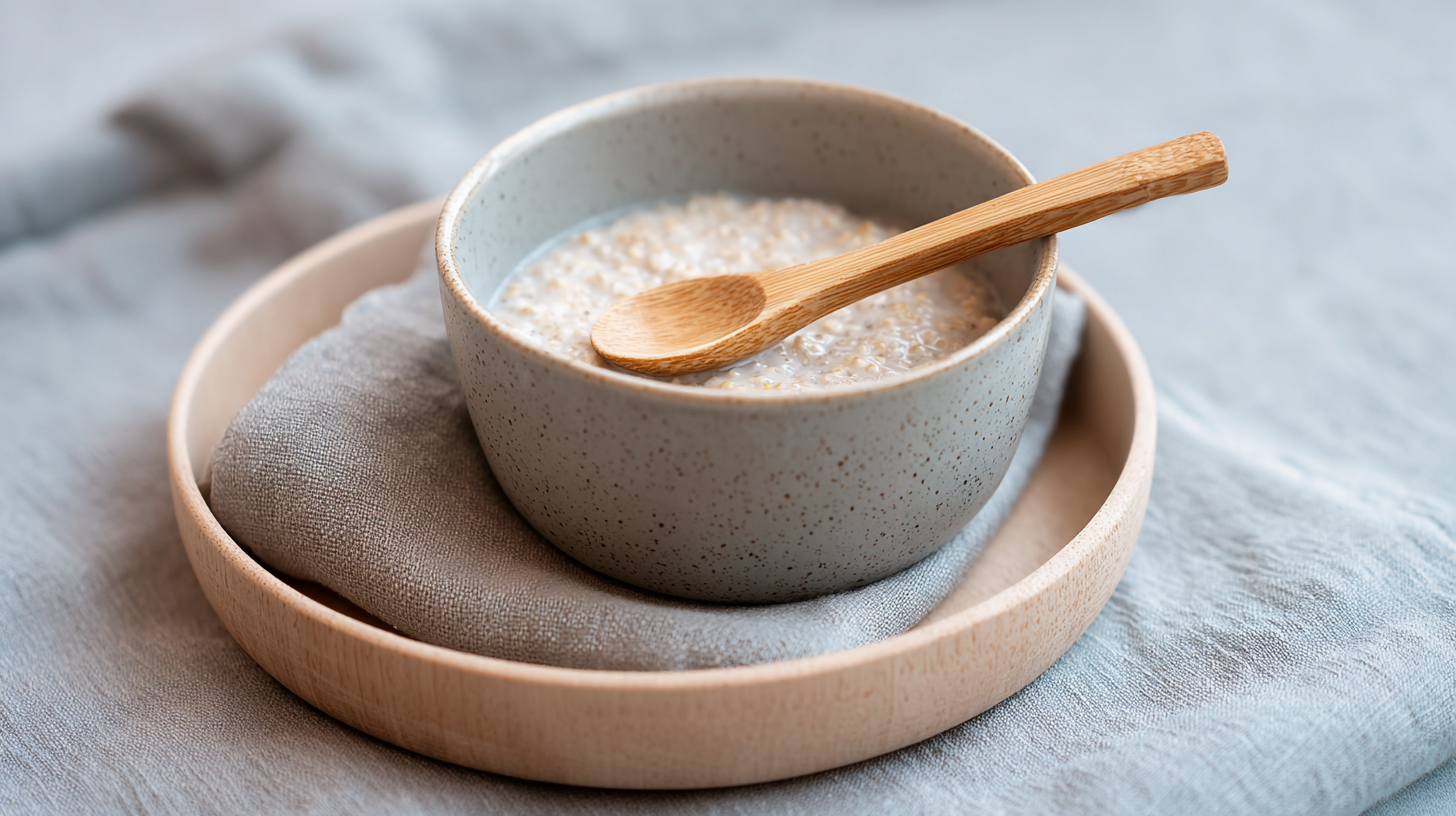
Including milk in cereal, porridge, or sauces also helps increase daily calories.
Encourage Healthy Eating Habits
Creating a positive environment during mealtimes encourages children to eat more comfortably. Family meals can motivate a kid to try new foods.
Involving children in preparing foods, choosing fruits, or helping with cooking can increase interest in eating. Gradually introducing foods helps picky eaters adapt to new flavours.
Consistency with snacks, meals, and balanced diet patterns supports steady growth.
When to Consult a Pediatrician
If a young child remains underweight despite dietary improvements, caregivers should consult a pediatrician. Medical professionals can evaluate weight, age, and overall growth patterns.
A registered dietitian may also provide personalized information and nutrition supplements if necessary. Early guidance ensures that children receive the right amount of nutrients for healthy development.
Supporting weight gain in children requires a thoughtful approach focused on nutritious foods, structured meals, and energy-dense ingredients. By including milk, cheese, healthy oils, fruits, vegetables, and calorie-rich snacks, caregivers can help a young child gain weight safely.
These practical tips help increase calorie intake, improve overall nutrition, and encourage steady growth. With the right strategies, most children can achieve a healthy weight while building lifelong healthy eating habits.
Disclaimer
This article is for general informational purposes only and does not replace personalised medical advice. Feeding decisions should always be made in consultation with a qualified healthcare provider. Every child is unique, and individual circumstances may vary.