%201.svg)








When it comes to supporting healthy growth in children, nutrition plays a central role. Many families explore different dairy options to ensure their little ones receive balanced nutrients for steady development. One option that has gained attention in recent years is farm goat milk. Known for its natural composition and distinct taste, goat’s milk has become a popular alternative to standard dairy choices in many households.
But what makes it special? Is it suitable for everyday use? And how does it support healthy growth in children? This introductory guide explains everything parents need to know, using clear and practical information.
Understanding Farm Goat Milk
Farm goat milk refers to milk sourced directly from goats raised on farms, often produced in small batches with careful attention to freshness and quality. Unlike heavily processed options, fresh goat’s milk from a farm setting may retain more of its natural characteristics, depending on how it is handled and stored.
Goats have been raised for milk production for centuries. Today, many farms focus on hygienic milking practices, controlled temperature storage, and safe packaging methods to ensure high-quality dairy products for families.
Nutritional Profile of Goat’s Milk
Goat’s milk contains a range of nutrients that support children’s growth and daily health needs. These include:
- Protein
- Calcium
- Phosphorus
- Potassium
- Vitamin A
- B vitamins
- Healthy fats
The balance of protein and fat makes goat’s milk energy-dense, which can be beneficial for children who need additional calories to support growth. Like other dairy products, it provides nutrients important for bone development and muscle function.
Lower Level of αS1-casein Protein and Easier Digestion
One commonly discussed feature of goat’s milk is its lower level of αS1-casein protein compared to standard cow’s milk. This creates a softer curd in the tummy that may support easier digestion for children.
Some families report that goat’s milk feels lighter and easier to digest. While each child is different, this characteristic may make goat’s milk a comfortable option for certain children who experience mild digestive discomfort with other dairy products.
It’s important to note that tolerance varies, especially for children sensitive to lactose.
Goat’s Milk and Lactose Content
Goat’s milk contains lactose, just like other dairy milk. However, some individuals find it easier to digest despite the presence of lactose.
Children with diagnosed lactose intolerance may still need specialised products or professional healthcare guidance. Parents should always observe how their child responds when introducing new dairy items.
How Farm Freshness Makes a Difference
Fresh goat’s milk sourced from a reputable farm often follows careful milking and storage procedures. Temperature control plays a major role in preserving quality and taste.
When milk is chilled promptly and stored properly, it maintains freshness and flavour. Families who prefer farm-based products often appreciate knowing where their milk comes from and how it is produced.
Supporting Healthy Growth in Children
Healthy growth depends on consistent nutrient intake. Goat’s milk contributes:
- Protein for muscle development
- Calcium and phosphorus for bones
- Healthy fats for energy
- Vitamins for daily function
When included as part of a balanced diet, goat’s milk can support children’s overall growth patterns.
For children transitioning from maternal milk during the early life stage, age-appropriate guidance is essential before introducing alternative milk options.
What Makes Goat’s Milk Special?
Parents often ask: What is so special about goat milk?
Several features make it unique:
- Lower level of αS1-casein protein
- Naturally occurring medium-chain fatty acids
- Distinct flavour profile
- Rich nutrient composition
Some families enjoy the slightly earthy taste, while others prefer it in smoothies or cereals.
Fresh Goat’s Milk vs Processed Options
Fresh goat’s milk from farms may differ in taste compared to long-shelf-life products. The flavour can vary depending on the goat’s diet, farm practices, and handling methods.
Processed goat milk products often undergo pasteurisation for safety, which is essential. Parents should always choose properly handled and safely prepared dairy products.
Is It Okay to Drink Goat Milk Every Day?
Many families wonder whether daily consumption is suitable. For children who tolerate it well and have no dairy-related sensitivities, goat’s milk can be part of a balanced diet.
However, moderation remains important. Milk should complement meals rather than replace solid foods. A varied diet ensures children receive a wide range of nutrients beyond dairy alone.
Consulting a healthcare professional can help determine the appropriate daily amount based on age and dietary needs.
Comparing Goat’s Milk to Other Milk Options
When choosing milk, families often compare options based on:
- Digestibility
- Taste
- Nutritional content
- Availability
- Family preference
There is no single “best” milk to purchase for a child. What matters most is how well a child tolerates the milk and whether it fits into their overall nutrition plan.
Which Milk Is Best?
When deciding which milk to purchase, rather than focusing on which milk is best overall, consider what works best for your child’s needs. Goat’s milk offers:
- Balanced nutrients
- Creamy texture
- Distinct taste
- Farm-to-family appeal
Parents should base decisions on nutritional requirements, tolerance, and professional advice.
Supporting Strong Bones and Teeth
Calcium and phosphorus in goat’s milk contribute to the development of strong bones and teeth. Growing children require consistent calcium intake to support skeletal development.
Pairing goat’s milk with other nutrient-rich foods like leafy greens, legumes, and whole grains ensures balanced nutrition.
Protein for Daily Growth
Protein supports tissue repair and growth. Goat’s milk contains protein that contributes to the maintenance of muscle mass.
Including protein-rich foods throughout the day supports healthy muscle development and overall growth patterns.
Healthy Fats and Energy
Children are naturally active and require adequate energy intake. The fats in goat’s milk contribute to daily calorie needs.
Healthy fat intake is particularly important for younger children in their early life stage, as energy supports both physical and cognitive development.
Farm Practices and Goat Milk Production
Families curious about sustainability may ask: For how many years will a goat produce milk?
Typically, goats can produce milk for several years, with peak production during early adulthood. Responsible farms prioritise animal welfare, nutrition, and hygiene to maintain quality milk production.
Understanding the farm’s practices helps families feel confident in the products they choose.
Flavour and Versatility
Goat’s milk has a distinct flavour that can vary depending on the goat’s diet and farm environment. Some children enjoy it plain, while others prefer it in:
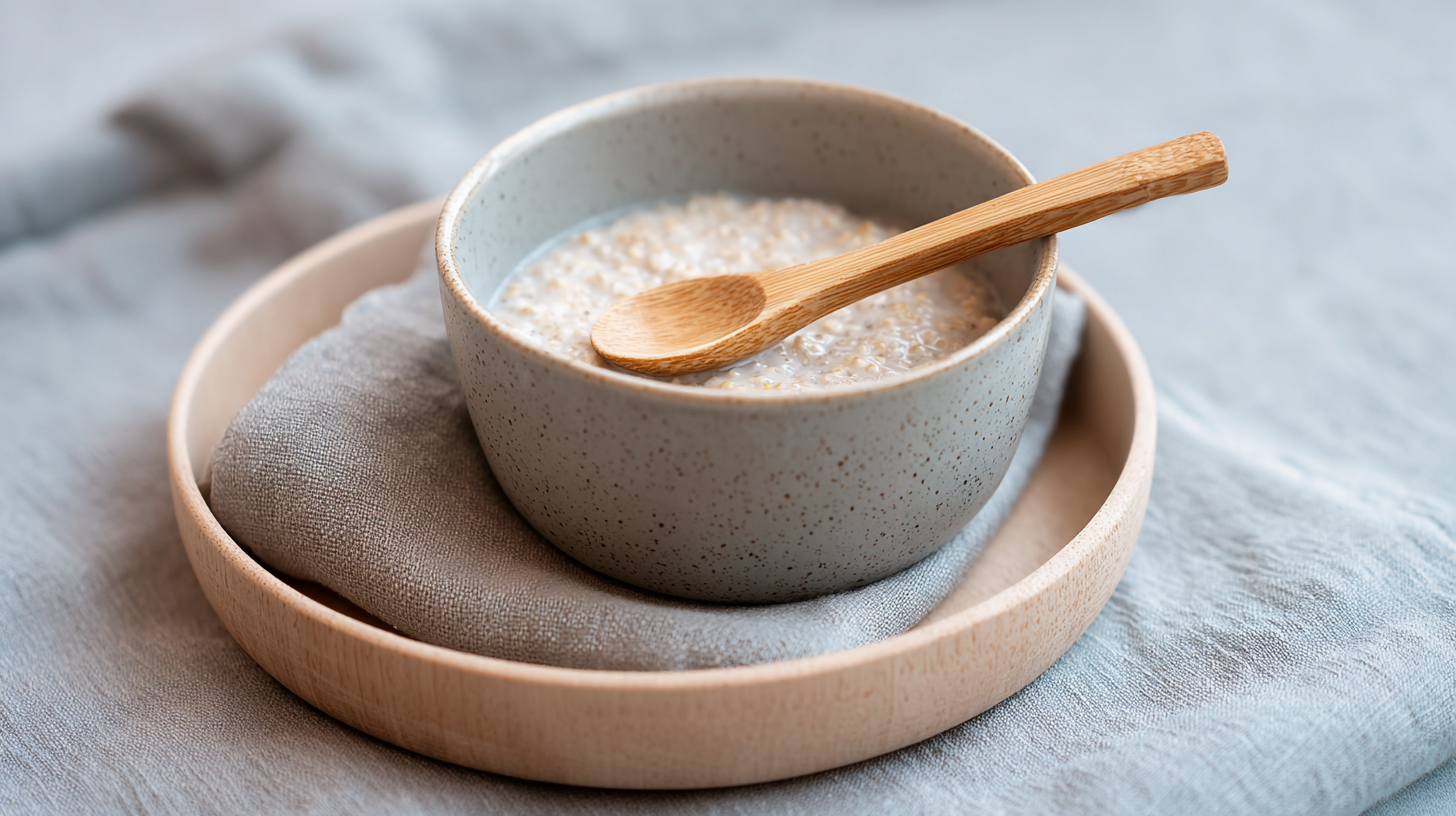
- Porridge
- Smoothies
- Pancakes
- Sauces
- Baked goods
Incorporating it into recipes can help children enjoy the taste more easily.
Making the Switch Gradually
When introducing goat’s milk:
- Start with small amounts
- Mix with familiar foods
- Monitor tolerance
- Observe digestive comfort
Gradual changes reduce the chance of resistance and allow families to assess suitability.
Temperature and Safe Storage
Proper storage is essential for maintaining milk quality. Fresh goat’s milk should be:
- Kept refrigerated
- Stored at a consistent cold temperature
- Used within recommended timeframes
Following storage instructions ensures freshness and safety.
Farm Goat Milk Products
Beyond liquid milk, goat’s milk is used in:
- Cheese
- Yoghurt
- Butter
- Ice cream
These products provide variety and additional ways to incorporate nutrients into children’s meals.
Family Preferences and Cultural Practices
Food choices often reflect family traditions and taste preferences. Some families prefer goat’s milk due to its long-standing cultural use.
Choosing milk should align with both nutritional goals and family enjoyment.
Balanced Diet Matters Most
While goat’s milk offers nutritional benefits, it should form part of a balanced eating plan that includes:
- Fruits
- Vegetables
- Whole grains
- Protein sources
- Healthy fats
- Adequate water intake
Diversity in foods ensures children receive a wide range of essential nutrients.
Farm goat milk can support healthy growth in children when included as part of a balanced diet. Its nutrient profile, lower level of αS1-casein protein, and creamy texture make it an appealing choice for many families.
Every child is unique. Observing tolerance, maintaining variety, and focusing on overall nutrition are key steps in supporting steady growth. With thoughtful introduction and proper storage, fresh goat’s milk can become a valuable part of family meals.
Discover Kiko Grow – Farm Goat Milk Nutrition for Growing Kids
For parents looking for a convenient and nutritious goat milk option, Kiko Grow offers a carefully crafted formulated goat milk powder designed to support the nutritional needs of growing children. Made using high-quality goat milk sourced from trusted farms in New Zealand, Kiko Grow focuses on delivering balanced nutrition while maintaining the natural goodness of goat milk.
Kiko Grow is formulated to provide key nutrients that contribute to children’s healthy development, including proteins, vitamins, minerals, and healthy fats. These nutrients support daily energy needs, bone development, and overall growth during the important early childhood years.
Many parents choose goat milk products like Kiko Grow goat milk formula because goat milk is known for its naturally sweet flavour and naturally different protein structure compared to standard dairy milk. When used as part of a balanced diet, goat milk–based nutrition products can be a helpful addition to children’s daily routines.
With a commitment to quality, safety, and nutrition, Kiko Grow aims to provide families with a reliable goat milk option that fits easily into everyday life whether enjoyed as a drink or included in meals and snacks.
Parents should always choose products suitable for their child’s age and consult a healthcare professional if they have questions about dietary changes.
Disclaimer
This article is for general informational purposes only and does not replace professional medical or nutritional advice. Parents and caregivers should consult a qualified healthcare professional before introducing new dairy products or making significant changes to a child’s diet. Individual needs vary depending on age, development, and overall health status.