%201.svg)







Understanding the different types of milk formula available can help Malaysian families make more informed choices about a growing child’s nutritional routine. When considering goat milk formula, it can be useful to look beyond the type of milk itself and explore its nutritional composition, ingredients, preparation methods and how it fits into a child’s daily dietary pattern.
Goat milk contains naturally occurring nutrients including protein, fat, lactose and calcium. Once used as the basis for a formulated product, its nutritional profile may be complemented with other nutrients to create a more complete formulation suited to the intended age group.
Interest in goat milk formula can also lead to questions about digestion, nutritional balance and everyday preparation. Understanding these aspects can provide useful context when comparing different feeding options and considering what may fit within a growing child’s routine.
This article takes a closer look at goat milk and goat milk formula, covering their nutritional characteristics, common ingredients, digestion, preparation and practical considerations for Malaysian families.
Understanding Goat Milk Formula
Goat milk formula is made using goat milk as a primary milk ingredient and is formulated with additional nutrients to create an appropriate nutritional profile.
Goat milk naturally contains protein, calcium, phosphorus, potassium, magnesium and vitamins. It also contains lactose, so goat milk should not automatically be considered a lactose-free alternative to cow's milk.
The nutritional characteristics of goat milk are influenced by its protein composition, fat structure and naturally occurring components.
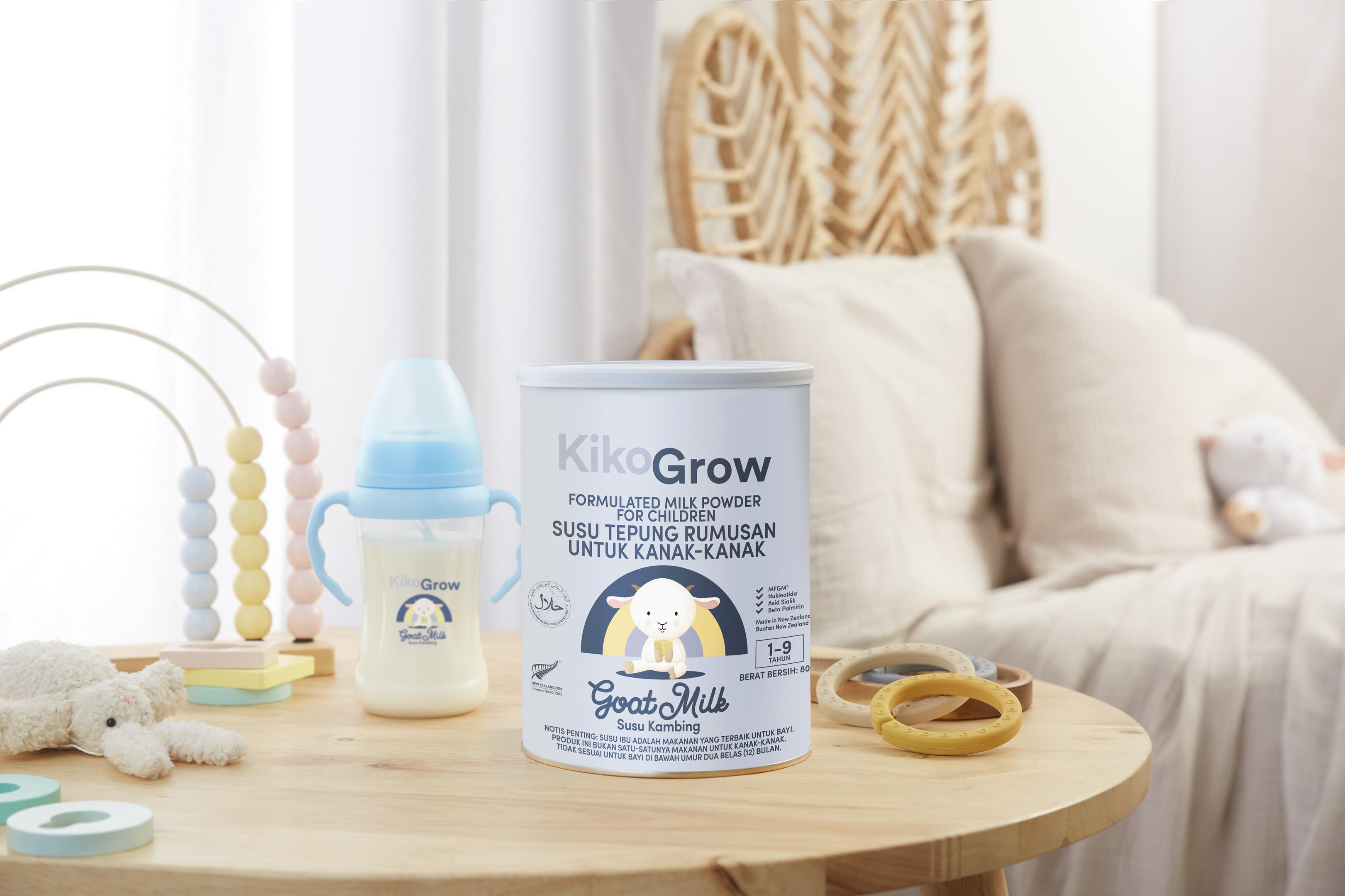
For parents considering Kiko Grow Goat Milk Formula, understanding these characteristics provides useful context when evaluating the product alongside other dietary choices.
What Makes Goat Milk Different?
Goat milk and cow's milk share many nutritional characteristics, but their composition is not identical.
Goat milk naturally contains smaller fat globules than cow's milk. Its protein structure also differs, with goat milk containing a higher proportion of A2 beta-casein proteins.
Goat milk proteins can form softer curds during digestion. This characteristic is often discussed in relation to gentle digestibility, although individual responses can vary.
Goat milk also has a distinctive flavour profile. It can be creamy, mildly tangy and slightly earthy. This natural taste can be different from the familiar flavour of cow's milk.
The Nutritional Profile of Goat Milk
Goat milk provides several essential nutrients that contribute to a balanced diet.
These include:
- Protein
- Calcium
- Phosphorus
- Potassium
- Magnesium
- Vitamin A
- Other vitamins and minerals
- Natural milk fats
- Lactose
Protein is particularly important during the growing years because it contributes to normal growth and the maintenance of body tissues.
Calcium and phosphorus are important nutrients for bones and teeth, while potassium and magnesium contribute to normal body functions.
Goat milk also naturally contains fatty acids within its milk fat. The overall nutritional profile can therefore provide energy alongside protein and minerals.
Why Protein Composition Matters
Protein is one of the key components to consider when evaluating a milk formula.
Goat milk contains casein and whey proteins. The balance between these proteins can influence the characteristics of the milk and the way it forms curds during digestion.
Goat milk has a different protein structure from cow's milk and contains a higher proportion of A2 beta-casein. It also generally contains lower levels of αs1-casein.
These structural differences are among the reasons goat milk is frequently discussed in relation to gentle digestion.
However, nutritional response is individual. A formula that suits one little one may not necessarily suit another in exactly the same way.
Softer Curds and Gentle Digestion
One of the commonly discussed characteristics of goat milk is its ability to form softer curds during digestion.
Goat milk also has smaller fat globules than cow's milk. The combination of protein structure and fat characteristics may contribute to the way goat milk is digested.
Current research continues to examine the relationship between milk composition and digestive comfort. Parents may therefore consider protein structure and fat composition when choosing between different milk formulas.
Kiko Grow Goat Milk Formula is positioned around goat milk as its core milk source, making these naturally occurring characteristics relevant when understanding the formula.
Goat Milk and Lactose
A common misconception is that goat milk contains no lactose.
In reality, goat milk naturally contains lactose, just like cow's milk. Goat milk is generally described as having slightly less lactose than cow's milk, but the difference does not make it lactose-free.
This distinction is important for Malaysian parents when considering a goat milk formula.
If a child has a specific nutritional requirement relating to lactose or milk ingredients, parents should discuss the appropriate option with a qualified healthcare professional before making a change.
Naturally Occurring Oligosaccharides
Goat milk naturally contains oligosaccharides. These carbohydrate compounds are among the naturally occurring components found in milk.
Some oligosaccharides can interact with beneficial bacteria in the digestive system and are therefore frequently discussed in relation to gut health.
The amount and composition of naturally occurring oligosaccharides can differ between raw milk and formulated products. Processing and formulation can also influence the final nutritional profile.
For this reason, parents should look at the complete ingredient and nutrition information rather than assuming that every goat milk formula has exactly the same composition.
Fats and Energy in Goat Milk Formula
Milk fat is an important source of energy.
Goat milk naturally contains short- and medium-chain fatty acids alongside other fatty acids. It can also contain a relatively higher proportion of fat and calories than some forms of cow's milk.
In a formulated product, vegetable oils and other permitted fat sources may be used to create a balanced fatty acid profile.
Parents comparing formulas can therefore look at the total fat content as well as the types of fats included.
The goal is not simply to select the product with the highest or lowest fat content, but to understand how fat fits into the overall nutritional profile.
Key Nutrients for Growing Children
During the growth years, children require a broad range of nutrients rather than a single nutrient in isolation.
A milk formula may contribute nutrients such as:
- Protein for normal growth
- Calcium for bones and teeth
- Phosphorus for normal body functions
- Potassium for normal physiological processes
- Magnesium for normal muscle and nerve function
- Vitamin A for normal body functions
- Essential fatty acids as part of a balanced nutritional profile
A balanced dietary pattern remains important. Milk formula is only one component of a child's overall nutrition when other foods are also appropriate.
Kiko Grow Goat Milk Formula and Balanced Nutrition
Kiko Grow Goat Milk Formula is based on the nutritional characteristics of goat milk and is intended to provide a convenient source of milk-based nutrition.
When evaluating Kiko Grow, parents can consider several areas together:
- Milk source
- Protein composition
- Fat composition
- Vitamins and minerals
- Carbohydrate sources
- Preparation instructions
- Serving guidance
- Storage requirements
- The child's individual nutritional needs
Looking at the complete nutritional profile can provide a more useful picture than focusing on a single ingredient.
Why Ingredient Quality Matters
The quality of ingredients is an important consideration when choosing any milk formula.
Parents may wish to examine the ingredient list carefully and understand the role of each major component.
Ingredients can serve different purposes. Milk solids contribute the core milk nutrition, while fats provide energy and fatty acids. Vitamins and minerals contribute to the overall nutritional composition.
Some formulas may also contain ingredients such as fish oil, vegetable oils or other nutritional components.
Rather than assuming that a longer ingredient list automatically means greater nutritional value, it is more useful to consider how the ingredients work together within the complete formula.
A Look at Goat Milk Protein and Whey
Whey protein is naturally present in milk and is commonly used in milk formulas.
Goat milk contains both whey and casein proteins. The whey-to-casein ratio can influence the overall protein composition and characteristics of a formula.
Casein proteins contribute to curd formation, while whey proteins remain more soluble.
Kiko Grow Goat Milk Formula should be assessed according to its actual nutrition panel and ingredient list rather than assumptions based solely on the term “goat milk”.
This helps parents understand exactly what they are choosing and how the formula fits into their child's nutritional routine.
Taste and Acceptance
Taste can play an important practical role when introducing a new whole milk formula.
Goat milk naturally has a creamy flavour with a mild tang. Some children may find this flavour different from cow's milk, while others may readily accept it.
Kiko Grow is intended to provide a smooth and enjoyable milk experience when prepared correctly.
Parents should allow their little one time to become familiar with a new flavour rather than assuming that every child will respond identically.
Preparing Kiko Grow Correctly
Correct preparation is an important part of using powdered milk formula.
Parents should follow the preparation instructions provided with goat milk formula. The recommended amount of powder and water should be measured accurately rather than estimated.
Using too much or too little powder can change the concentration of the prepared drink.
A clean bottle and suitable preparation area are also important. Hands should be washed before preparing milk, and utensils should be kept clean.
The prepared formula should be handled according to the product's instructions.
Storage and Freshness
Powdered milk products should be stored carefully to maintain their quality.
Parents should keep the container properly closed and store it in the location recommended on the packaging.
Avoid unnecessary exposure to moisture, heat and direct sunlight. A dry, clean storage area can help maintain the quality of milk powder.
After opening, parents should follow the stated usage and storage guidance rather than keeping the product indefinitely.
Maintaining proper storage conditions is especially important in Malaysia's warm and humid environment.
Goat Milk Formula for Malaysian Families
Malaysia's climate makes practical storage an important consideration for powdered milk products.
Families may prefer a convenient format that can be prepared when needed, particularly when travelling, managing daily routines or maintaining consistent feeding schedules.
Kiko Grow Goat Formula provides a powdered goat milk format that can be prepared with water according to its instructions.
For Malaysian parents, other practical considerations can include availability, packaging size, storage space and ease of preparation.
What Parents Should Consider Before Choosing
Choosing a whole goat milk formula involves more than comparing brands or focusing on a single nutritional claim.
Parents can consider:
1. Nutritional composition
Review protein, fat, carbohydrates, vitamins and minerals.
2. Milk source
Understand whether the formula uses goat milk, cow's milk or another base.
3. Protein structure
Consider the type and balance of whey and casein proteins.
4. Fat sources
Look at the overall fat profile and the sources used.
5. Child's individual needs
Every child's nutritional requirements and response can differ.
6. Preparation
Make sure the formula can be prepared accurately and consistently.
7. Storage
Consider whether the household can store powdered milk correctly.
These factors can help families make a more informed choice.
Goat Milk Formula and Everyday Nutrition
A balanced diet includes a variety of foods and nutrients appropriate for a child's stage of development.
Milk formula can contribute protein, fats, vitamins and minerals, while other foods can provide additional nutrients and dietary variety when they are suitable.
As children grow, their nutritional needs change. Parents may therefore need to reassess feeding routines over time rather than assuming one approach remains appropriate indefinitely.
Energy needs can also vary according to activity, growth and daily routines.
Understanding Individual Responses
Children can respond differently to changes in milk formula.
Some may adapt quickly, while others may take longer to become familiar with a new taste or formulation.
Parents can observe factors such as acceptance, appetite, general comfort and normal daily routines after introducing a new formula.
If there are concerns about a child's nutritional needs, digestion or response to a new milk formula, personalised guidance from a qualified healthcare professional is appropriate.
Why Kiko Grow Can Be Considered
Kiko Grow Goat Milk Formula provides families with a goat milk-based option centred around the natural nutritional characteristics of goat milk.
Goat milk naturally provides protein, calcium, phosphorus, potassium, magnesium, milk fat and vitamins. Its smaller fat globules, distinctive protein composition and naturally occurring oligosaccharides are characteristics that make goat milk different from cow's milk.
Kiko Grow brings these goat milk characteristics into a convenient powdered format for families looking for a practical milk formula option.
The most appropriate choice ultimately depends on the child's nutritional requirements, family preferences and individual response.
How should Kiko Grow be stored?
Follow the storage instructions provided with the product. Generally, powdered milk should be kept sealed and protected from moisture, excessive heat and direct sunlight.
Understanding the characteristics of goat milk can help Malaysian parents make more informed decisions when exploring milk formula options.
Kiko Grow Goat Milk Formula is centred around goat milk and its naturally occurring nutritional characteristics, including protein, milk fat, calcium, phosphorus, potassium, magnesium and vitamins.
Goat milk also has distinctive features such as smaller fat globules, a different protein structure, A2 beta-casein and naturally occurring oligosaccharides. These characteristics contribute to its unique nutritional profile and taste.
When choosing a formula, parents should consider the complete nutritional composition, preparation method, storage requirements and the individual needs of their little one.
A thoughtful approach to nutrition can help families build consistent feeding routines while supporting balanced nutrition throughout the growing years.
Disclaimer
This article is provided for educational and informational purposes only. It does not replace personalised professional healthcare advice or individual nutritional guidance. Children's nutritional needs can vary, and parents should consult an appropriately qualified healthcare professional when making decisions about a child's feeding or nutritional requirements.