





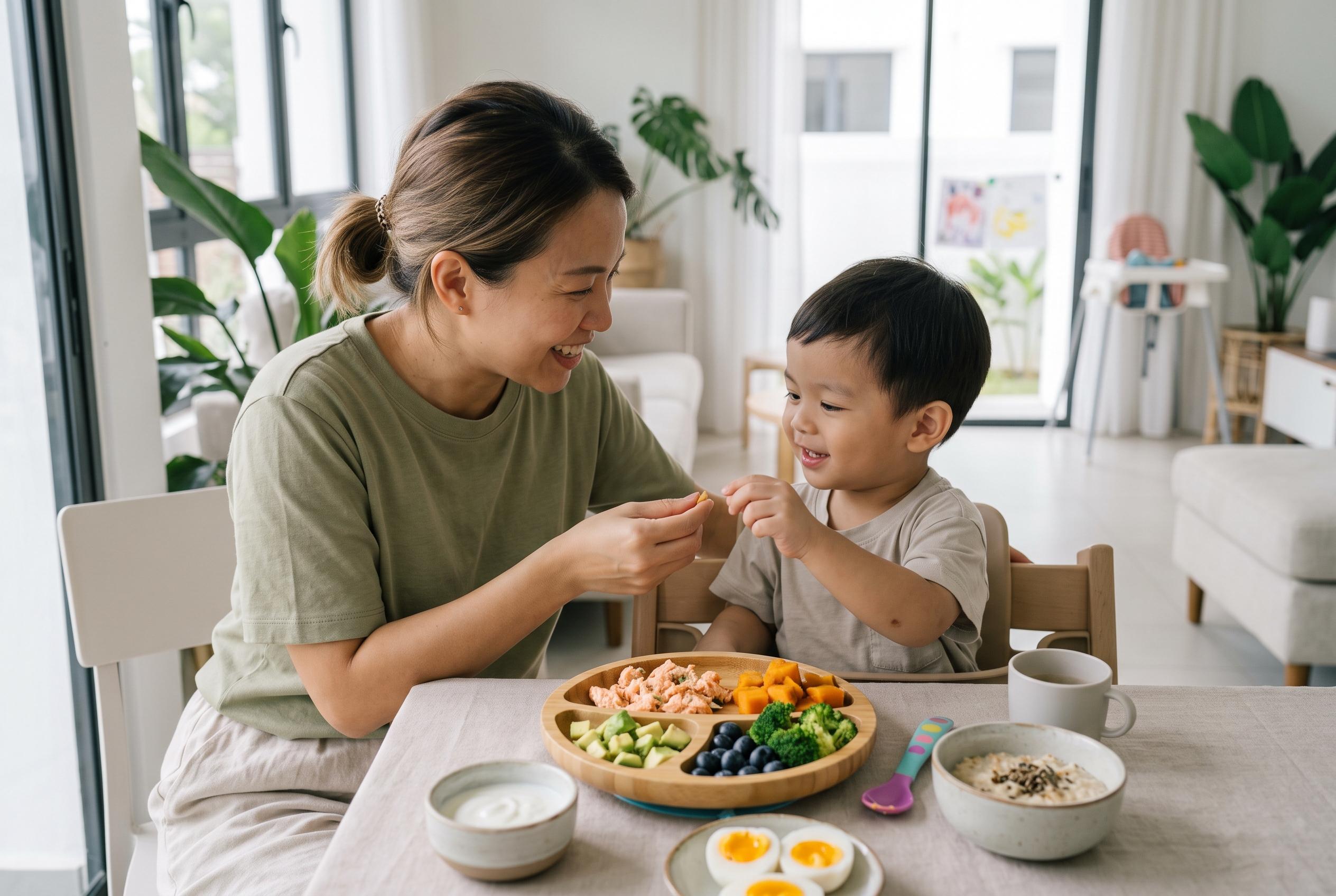
Nutrition can become an emotional subject for parents. Questions about portion sizes, picky eating, food preferences, added sugars, processed foods and whether a child is getting enough nutrients can create ongoing worry. For many families, the pressure to provide a “perfect” healthy diet can make everyday meals feel more complicated than they need to be.
Managing parental anxiety around nutrition begins with understanding that children do not eat in exactly the same way every day. Appetite can change with activity, sleep, mood, growth and routine. A child may eat enthusiastically one day and show little interest in food the next. This variation does not automatically mean that something is wrong.
A balanced approach focuses on patterns over time rather than judging individual meals. It also recognises that nutrition is only one part of a child's overall well-being. Sleep, physical activity, emotional support, family relationships and a predictable routine all contribute to healthy development.
Why Nutrition Can Feel Overwhelming for Parents
Parents are exposed to a large amount of nutrition information through social media, websites, advertisements and conversations with other families. Conflicting advice can make it difficult to decide what really matters.
One source may emphasise avoiding added sugars, while another focuses on specific nutrients or particular foods. This can encourage parents to constantly evaluate a child's diet.
Managing anxiety becomes more difficult when every meal is treated as a test. A missed vegetable, unfinished lunch or request for a familiar food can then feel much more significant than it actually is.
A more useful approach is to consider the child's diet quality across days and weeks. A varied diet containing different food groups can provide opportunities for children to obtain protein, healthy fats, vitamins, minerals, fibre and carbohydrates.
Children Do Not Need Perfect Meals
A healthy diet does not have to look identical at every meal.
Some meals may contain vegetables, whole grains and protein. Other meals may be simpler. Children can also have changing preferences, particularly during periods when they are becoming more independent.
Parents can offer nutritious choices without turning food into a source of pressure. For example, a meal might include a familiar food alongside something new. This creates opportunities to explore different tastes while maintaining a comfortable eating environment.
The goal is not perfection. It is to create consistent opportunities for balanced nutrition.
Understanding Picky Eating
Picky eaters can be a major source of parental stress. Children may reject foods that they previously enjoyed or become interested in only a small number of familiar options.
This can be frustrating, particularly when parents are concerned about vitamins, minerals, protein or overall nutrition.
Instead of focusing on every rejected food, parents can look at the broader pattern. If a child accepts some foods from different food groups across the week, there may already be more variety than individual meals suggest.
Repeated, low-pressure exposure can also help children become familiar with new foods. A child may need to see, smell or taste a food several times before accepting it.
The Relationship Between Diet and Mental Well-Being
Research continues to explore the relationship between dietary patterns and mental health outcomes in children. Current evidence suggests that higher-quality diets are associated with better well-being, while unhealthy dietary patterns containing large amounts of processed foods and added sugars may be associated with poorer outcomes.
This does not mean that one food determines a child's mood or emotional state. Mental well-being is influenced by many factors, including sleep, relationships, physical activity, family circumstances, stress and individual development.
A balanced diet can nevertheless provide important nutritional foundations for the brain and body.
How a Balanced Diet Supports the Brain
The brain requires a steady supply of energy and nutrients to support normal development and function.
Whole grains, fruits and vegetables provide carbohydrates, fibre and a range of vitamins and minerals. Fish and other sources of healthy fats can provide omega-3 fatty acids. Foods containing protein contribute amino acids needed for normal body functions.
B vitamins, vitamin D, magnesium, zinc and other nutrients also contribute to normal physiological processes.
Rather than focusing on a single “brain food”, parents can build meals around variety. This approach can provide a broader range of nutrients without making nutrition feel like a daily checklist.
Gut Health and Emotional Well-Being
The digestive system and nervous system communicate through what is often called the gut-brain connection. The gut microbiome also interacts with dietary components and the intestinal environment.
A balanced diet containing vegetables, fruits, whole grains and other fibre-rich foods can support a diverse gut microbiome. Fermented foods may also provide live microorganisms when they are suitable for the child.
Research into gut health and mood is developing. Much of the body's serotonin is produced in the digestive system, although serotonin production and mood regulation are complex processes involving multiple systems.
For this reason, it is more accurate to view gut health as one part of overall well-being rather than assuming that changing one food will directly change a child's mood.
Why Food Variety Matters
Different foods contain different combinations of nutrients and plant compounds. Dark leafy greens, for example, provide folate and other nutrients, while fish can provide omega-3 fatty acids.
Whole grains contribute complex carbohydrates and fibre. Fruits provide carbohydrates, vitamins and naturally occurring plant compounds. Eggs can contribute protein and several micronutrients.
A varied diet makes it easier to obtain a broader nutritional profile.
Parents do not need to provide every nutrient at every meal. Instead, variety can be encouraged over the course of the week.
Added Sugars and Processed Foods
Many parents worry about sugar, particularly when children regularly request sweet foods.
A practical approach is to limit foods and drinks high in added sugars while still allowing children to enjoy a varied diet. Constantly labelling foods as “bad” can sometimes increase anxiety around eating.
Highly processed foods can be convenient, but they should not necessarily become the foundation of the child's diet. Whole or minimally processed foods can provide useful nutrients, fibre and healthy fats.
The emphasis can remain on balance rather than restriction.
Avoiding the Pressure of Perfectionism
Perfectionism can make managing parental anxiety much harder.
Parents may feel that every meal needs to contain the “right” balance of foods. They may also compare their child's eating habits with those of other children.
Children develop at different rates and have different appetites and preferences. A realistic goal is to provide nutritious opportunities consistently rather than achieving nutritional perfection.
Small improvements can matter. Adding fruit to breakfast, including vegetables at lunch, offering whole grains or providing a protein-rich snack can all contribute to a balanced dietary pattern.
Creating Predictable Meal Routines
Regular routines can provide children with a sense of safety and predictability, particularly during uncertain or stressful periods.
Consistent meal and snack times can make eating more structured without requiring parents to control exactly how much a child eats.
A predictable routine can also reduce the need for repeated decisions throughout the day. Families can establish simple patterns such as breakfast, lunch, dinner and planned snacks.
The exact routine can be adapted to school, sleep and family schedules.
Parents and Emotional Co-Regulation
Children can mirror the emotional state of adults around them through a process often described as co-regulation.
If a parent becomes visibly distressed whenever a child refuses vegetables, the child may begin to associate meals with tension. Conversely, a calm response can help create a more relaxed environment.
This does not mean parents should hide their feelings. Instead, it can be useful to model ways of responding to stress.
Simple statements such as “That's okay, you don't have to like it today” can communicate that food exploration does not have to become a conflict.
Using Breathing During Stressful Moments
When worries become intense, slow breathing can help create a pause before responding.
A technique sometimes discussed in nervous-system research is the physiological sigh, involving a deeper inhalation followed by another smaller inhalation and a longer exhalation.
Deep, controlled breathing can provide a moment of separation between an anxious thought and an immediate reaction.
Parents can use a few slow breaths before responding to food refusal, difficult mealtimes or worries about nutrition.
Reducing High-Stress Media Consumption
Constant exposure to stressful news and social media content can keep the mind focused on potential threats.
Parents who regularly encounter alarming nutrition messages may begin to worry that ordinary foods are harmful or that they are failing to provide the “perfect” diet.
Setting boundaries around high-stress media can help create mental space.
Choosing a small number of reliable sources of general nutrition information may also be less overwhelming than constantly searching for new advice.
The Importance of Reliable Relationships
Children benefit from reliable relationships and a sense of connection.
Family meals can provide opportunities to talk, listen and observe eating behaviours without making nutrition the sole focus.
Parents can also discuss difficult realities using honest, age-appropriate explanations. Children do not need to know every adult concern, but they benefit from feeling that trusted adults are available when they have questions or worries.
Emotional support is an important part of a child's overall well-being.
Exercise, Sleep and Nutrition Work Together
Nutrition should not be considered separately from other daily habits.
Regular physical activity supports physical health and can provide opportunities for children to develop confidence, coordination and social skills. Adequate sleep supports energy levels, concentration and everyday functioning.
When children are tired, their appetite and mood may change. Busy schedules can also make regular meals more difficult.
A realistic family routine can therefore include nutritious meals, movement, sufficient sleep and downtime.
Building Resilience Through Everyday Experiences
Parents naturally want to protect children from uncomfortable experiences. However, children also benefit from gradually learning that they can manage small challenges.
Parents can encourage children to try unfamiliar foods without forcing them to finish. They can allow children to participate in simple meal preparation and make age-appropriate choices.
These experiences can support independence and confidence.
Managing parental anxiety sometimes involves accepting that children will encounter frustration, uncertainty and foods they do not immediately enjoy.
Nutrition and Family Income
Access to a wide range of healthy foods can be influenced by family income, availability, time and cooking facilities.
Nutrition advice should therefore be realistic and flexible.
Healthy eating does not require expensive speciality foods. Families can work with foods that are accessible to them, including seasonal fruits and vegetables, whole grains, eggs, legumes and other practical sources of protein.
A healthy diet is shaped by circumstances as well as knowledge.
Simple Ways to Reduce Nutrition-Related Stress
Parents can make meals feel more manageable by simplifying expectations.
Useful strategies include:
- Plan a few familiar meals rather than creating a completely different menu every day.
- Include foods from different food groups across the week.
- Offer fruit or vegetables regularly without pressure.
- Keep convenient nutritious foods available for busy days.
- Involve children in simple food preparation.
- Eat together when practical.
- Avoid using food as a reward or punishment.
- Limit nutrition-related arguments at the table.
- Focus on patterns rather than individual meals.
- Allow room for preferences and occasional less nutritious foods.
These strategies can support healthy eating while reducing the pressure surrounding each meal.
Supporting Children With Picky Eating
When children have a narrow range of accepted foods, parents can gradually expand choices.
A familiar food can be served alongside a new food. For example, a child who enjoys rice might be offered rice alongside a small portion of vegetables or a new protein.
There is no need to force tasting. Repeated exposure in a calm environment may be more useful.
Parents can also involve children in washing vegetables, mixing ingredients or choosing between two suitable options.
The objective is to build familiarity and positive experiences rather than win a battle over one meal.
When Anxiety Starts Affecting Daily Life
Occasional worry about nutrition is understandable. However, persistent anxiety may become more difficult when it begins to affect family relationships, eating routines, sleep or everyday functioning.
Professional support can be helpful when anxiety interferes with parenting or becomes difficult to manage.
A healthcare professional or appropriately qualified mental health professional can help parents understand their concerns and develop practical coping strategies.
Seeking support does not mean that a parent has failed. It can simply provide additional tools.
Sharing Experiences With Other Parents
Talking with trusted parents can help normalise feelings of uncertainty.
Parent support groups can provide opportunities to discuss picky eating, meal planning and everyday challenges. Hearing that other families experience similar difficulties can reduce feelings of isolation.
However, personal experiences should not automatically be treated as nutritional guidance. Children's needs differ, so individual concerns may still require personalised professional advice.
Practising Small Moments of Self-Care
Self-care does not have to mean a large lifestyle change.
A few minutes of quiet time, a short walk, a conversation with a trusted person or a brief breathing exercise can provide a useful pause.
Some parents also find gratitude journalling helpful for shifting attention towards positive experiences.
The purpose is not to eliminate every anxious thought. Instead, small practices can help parents respond to stressful moments with greater awareness.
Looking Beyond Food
A child's well-being is influenced by many interconnected factors.
Nutrition matters, but so do sleep, movement, emotional security, relationships, play and opportunities to explore the world.
Parents do not need to control every factor.
Creating a supportive home environment, offering varied foods and responding calmly to everyday challenges can provide a strong foundation.
A Balanced Perspective on Children's Nutrition
Current research continues to examine relationships between dietary patterns, gut health, brain function and emotional well-being. Some studies associate higher diet quality with more favourable mental health outcomes, while unhealthy dietary patterns have been associated with poorer outcomes.
However, these relationships do not mean that a particular food can prevent or resolve emotional difficulties.
Nutrition should therefore be viewed as one part of a broader approach to child development.
Parents can focus on providing regular opportunities for nutritious foods, maintaining predictable routines and modelling balanced eating habits.
Managing parental anxiety around child nutrition is less about finding a perfect diet and more about creating sustainable habits.
A varied diet can provide important nutrients for growth, brain health and everyday energy. Whole foods, fruits, vegetables, whole grains, protein sources and healthy fats can all contribute to a balanced dietary pattern.
At the same time, parents deserve flexibility. Children have changing appetites, preferences and developmental needs. One unfinished meal or rejected vegetable does not define the quality of a child's overall diet.
Calm routines, emotional support, physical activity, adequate sleep and positive family relationships all have a place alongside nutrition.
When concerns become persistent or begin affecting family life, personalised professional support can provide additional reassurance and practical guidance.
Disclaimer
This article is provided for educational purposes only and does not replace personalised professional advice. Children's nutritional needs and family circumstances can vary. Parents with ongoing concerns about nutrition, development, eating patterns or emotional well-being should seek advice from an appropriately qualified healthcare professional.