%201.svg)








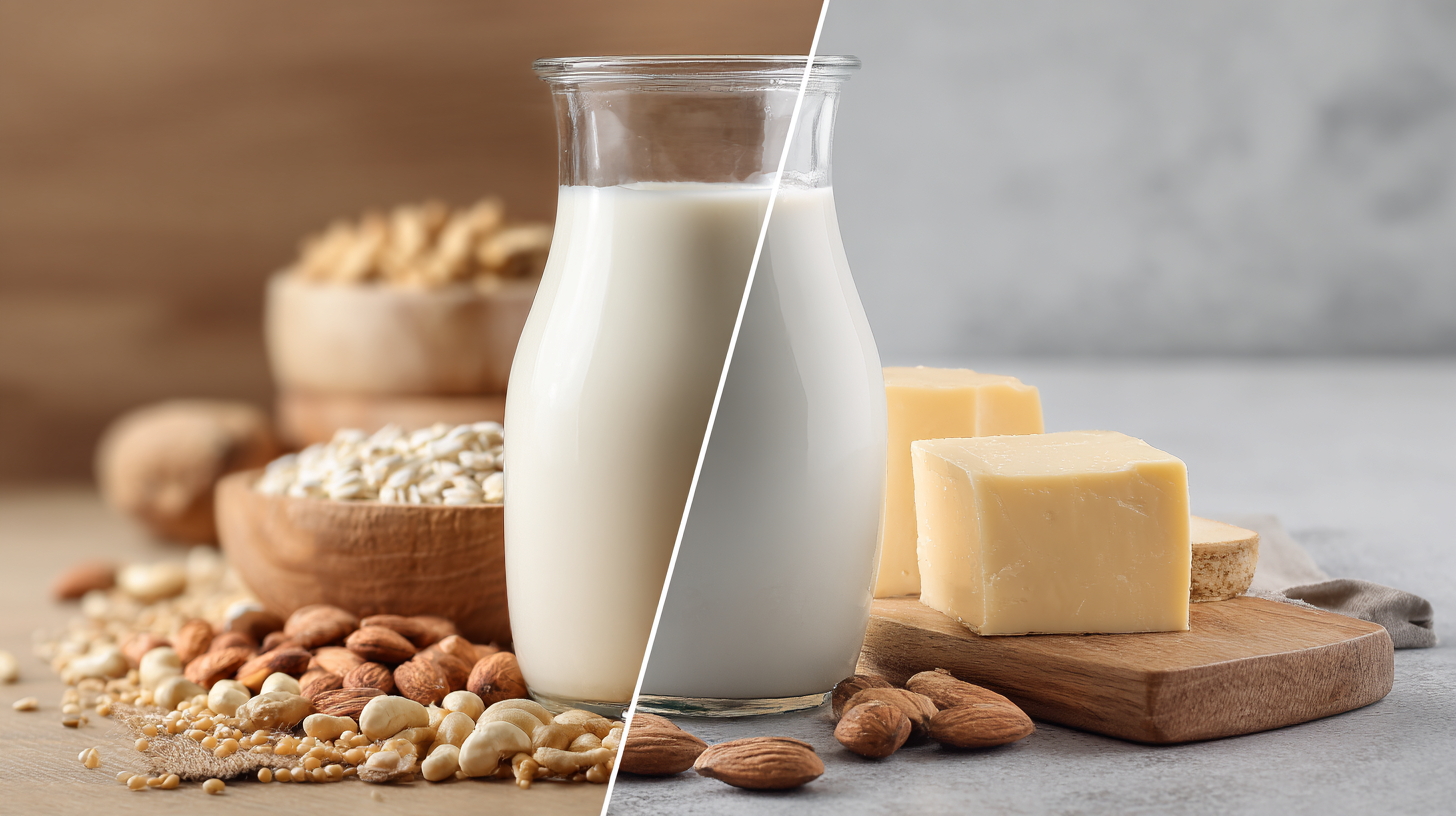
The debate around milk vs plant-based milk has become increasingly popular as people rethink their daily nutrition choices. For decades, milk especially dairy milk has been considered an essential food for strong bones and overall human health. However, the rise of plant-based diets and growing awareness of the environmental impact of food production has encouraged many people to explore plant-based milks.
Traditional dairy milk comes primarily from cow's milk, which has long been a staple in many cultures. Yet modern consumers are now comparing cow's milk with plant milks such as almond milk, soy milk, and oat milk.
Understanding the nutritional differences, environmental considerations, and dietary needs can help the average person decide which milk alternative works best in a person's diet.
This article explores the science, nutritional profile, sustainability, and health benefits of both dairy and plant-based milk options.
What Is Dairy Milk?
Dairy milk is the liquid produced by dairy animals. The vast majority of milk consumed worldwide comes from cow's milk, although milk can also come from goats or sheep. One cup of cow's milk provides around 8 grams of high-quality protein, including all nine essential amino acids needed for human health.
Because of its nutritional value, cow's milk has long been included in national dietary guidelines. It contains vitamin D, vitamin B12, vitamin A, calcium, and several important minerals.
Many people consume whole milk, reduced-fat dairy milk, or skim varieties depending on their healthy dietary pattern. Despite its nutritional advantages, some individuals cannot tolerate cow's milk due to lactose intolerance, allergies, or dietary preferences.
For these reasons, plant-based milk alternatives and non-dairy milks have become increasingly popular.
Understanding Cow's Milk Nutrition
The nutritional profile of cow's milk is often considered highly balanced. A single cup provides protein, calcium, vitamin D, vitamin B12, and other essential nutrients.
The protein in cow's milk contains all the essential amino acids, making it a complete protein source. This helps support muscle growth and overall nutrition. Cow's milk also contains naturally occurring lactose, which contributes to the naturally occurring sugars in the beverage.
Some varieties of dairy milk also contain saturated fat, especially whole milk. High intake of saturated fat may contribute to heart disease in certain individuals. For children and adolescents, cow's milk provides nutrients necessary for bone development, especially vitamin D and calcium.
However, for people who are lactose intolerant, lactose free options or plant-based milk alternatives may be easier to digest.
What Is Plant-Based Milks?
Plant-based milks are beverages made from plant sources such as nuts, grains, or legumes. Instead of coming from dairy animals, they are produced by blending plants with water and filtering the liquid.
These non-dairy milks have become common in many supermarkets as more people adopt a plant-based diet or vegan diet. Examples of plant milks include almond milk, soy milk, oat milk, rice milk, coconut milk, and newer options made with pea protein.
Many plant-based milks are also fortified with nutrients like vitamin D, calcium, and vitamin B12 to match the levels found in cow's milk. Because most plant-based milks are naturally lactose free, they are suitable for people who are lactose intolerant.
In addition, plant-based milk offers flexibility for those avoiding animal products or following a vegan diet.
Almond Milk
Almond milk is one of the most widely consumed plant-based milks. It is made by blending almonds with water and filtering the mixture to produce a smooth beverage.
Many consumers choose almond milk because it is low in calories and contains minimal saturated fat. However, compared to cow's milk, almond milk contains very little protein, often about one gram per cup. The nutrient content of almond milk depends heavily on fortification. Many brands add vitamin D, vitamin B12, and calcium.
Unsweetened varieties of almond milk typically contain fewer added sugars than sweetened options.
While almond milk is popular among non-dairy milks, its production requires significant water, which affects its environmental footprint.
Still, many plant-based milks like almond milk remain popular because they are convenient milk alternatives.
Soy Milk
Soy milk is often considered the closest milk alternative to cow's milk in terms of nutritional quality. A single cup of soy milk typically contains about the same amount of protein as dairy milk.
This is because soy protein is one of the most complete plant proteins available. Many nutrition experts recommend fortified soy milk because it provides vitamin D, vitamin B12, and calcium. Compared with cow's milk, soy milk also has lower greenhouse gas emissions and reduced land use.
Because soy milk is naturally lactose free, it is an excellent choice for people who are lactose intolerant. For individuals seeking more protein in a plant-based beverage, soy milk is often the best choice among plant milks.
Oat Milk
Oat milk is another rapidly growing plant-based milk option. It is made by blending oats with water and filtering the liquid to create a creamy beverage.
Oat milk is especially popular in coffee drinks because it froths well.
Although oat milk typically contains less protein than cow's milk, it provides soluble fiber that may support heart disease prevention. Many brands offer unsweetened varieties of oat milk with minimal added sugars.
The nutrient content of oat milk is often improved through fortification with vitamin D, vitamin B12, and calcium.
Because oat milk requires relatively little land use and water, it is considered one of the most environmentally friendly plant-based milks.
Rice Milk and Pea Milk
Rice milk is one of the earliest non-dairy milk alternatives. It is naturally sweet because of the sugar found in rice during processing.
However, rice milk contains very little protein, making it less ideal for meeting daily protein needs. Some versions of rice milk may contain higher carbohydrate levels compared to cow's milk.
Newer plant-based milk alternatives include beverages made with pea protein. These drinks often contain more protein than almond milk or rice milk.
Because pea protein production uses less land use and water, it contributes to a smaller carbon footprint.
Nutritional Profile: Dairy vs Plant-Based
The nutritional profile of milk varies significantly between dairy milk and plant-based options. Cow's milk naturally contains protein, vitamin B12, vitamin D, and calcium.
In contrast, most plant-based milks must be fortified to provide the same nutrients. For example, many plant-based milks contain added vitamin B12 and vitamin D to improve their nutritional profile.
However, the nutrient content varies widely between brands. Consumers should check the nutrition label to ensure the milk alternative provides the desired nutrients.
This variation in nutritional differences is one of the main considerations when choosing between dairy and plant-based beverages.
Non-Dairy Milks and Lactose Intolerance
A major advantage of non-dairy milks is that they are naturally lactose free. Approximately 68% of the global population is lactose intolerant, meaning they cannot digest lactose in cow's milk.
For these individuals, plant-based milks and other non-dairy beverages provide an easy milk alternative. Options like soy milk, almond milk, and oat milk allow people to enjoy a milk-like drink without digestive discomfort.
These non-dairy milks can also fit into a vegan diet that avoids animal products. For people transitioning to a plant-based diet, switching to plant-based milks is often one of the first dietary changes.
Milk Alternative Options
Today there are dozens of milk alternative products available. These include plant-based milks derived from almonds, soy, oats, coconut, peas, and rice.
Each milk alternative differs in flavour, nutrient content, and environmental sustainability. For example, soy milk offers high protein, while almond milk provides fewer calories.
Consumers often experiment with several milk alternatives to find the one that fits their diet and taste preferences. The growing popularity of alternative milks reflects broader interest in plant-based foods.
Environmental Impact of Milk Production
The environmental impact of milk production varies greatly between dairy and plant-based options.
Producing cow's milk requires raising dairy cows, which produce methane and contribute to greenhouse gas emissions. These emissions include methane and carbon dioxide, both of which affect climate change.
The production of feed crops for dairy cows also requires significant land use and water. As a result, the environmental impact of cow's milk is often higher than that of plant-based milks.
Studies show that plant-based milk offers significantly lower greenhouse gas emissions compared with dairy milk.
Environmental Footprint of Plant-Based Milks
The environmental footprint of plant-based milks is generally much smaller than that of cow's milk. Growing plants for plant-based milk production requires less land use and water than raising livestock.
Many studies show that plant-based milks generate roughly one-third of the greenhouse gas emissions of dairy milk. For example, oat milk and soy milk require significantly less land use compared with cow's milk.
Some estimates suggest that cow's milk production uses up to ten times more land than plant-based options.
Additionally, producing plant-based milk generally results in lower carbon dioxide emissions. Because of this, many experts consider plant-based milks to be more environmentally friendly.
Land Use and More Land Requirements
Producing cow's milk requires large areas of farmland. Land is needed not only for dairy farms, but also for growing animal feed for dairy cows.
Compared with plant-based milks, cow's milk production uses significantly more land. In fact, some studies suggest dairy production may require up to 20 times more land than plant-based alternatives.
In contrast, crops used to produce plant-based milk, such as oats or soy, require much less agricultural land. This reduction in land use is one reason many consumers choose plant-based beverages.
Environmental Footprint and Carbon Footprint
The carbon footprint of cow's milk is much higher than that of plant-based milks. Methane produced by dairy cows contributes significantly to global greenhouse gas emissions.
In fact, cattle production contributes a significant share of global agricultural emissions. By contrast, crops used to produce plant-based milks generate far less carbon dioxide.
Because of this difference in environmental footprint, switching to plant-based milk alternatives can reduce a person's environmental impact. For environmentally conscious consumers, choosing plant-based milk may help lower their carbon footprint.
Health Benefits and Public Health Concerns
Both dairy milk and plant-based milks offer potential health benefits. Cow's milk provides high-quality protein, vitamin B12, and calcium that support bone health.
However, some researchers have raised public health concerns regarding hormones or high saturated fat intake in some dairy products. On the other hand, plant-based milks often contain healthy fats and fewer calories.
Many plant-based milks offer options suitable for people with allergies or lactose intolerance. Including plant-based foods in a healthy dietary pattern may also support long-term health.
Nutritional Quality and Nutrition Labels
When choosing between dairy and plant-based milk, it is important to read the nutrition label. The nutritional quality of plant-based milks varies widely.
Some plant-based milks contain little protein, while others like soy milk provide substantial amounts. Fortified versions may include vitamin D, vitamin B12, and calcium.
Checking the nutrition label ensures that the milk alternative meets your nutrition needs.
Which Milk Is Healthier?
The answer to the milk vs plant-based milk question depends largely on individual needs. Cow's milk remains a nutrient-dense option rich in protein, vitamin B12, and calcium.
However, plant-based milks offer advantages for people who are lactose intolerant, following a vegan diet, or reducing animal products. Many experts recommend choosing unsweetened varieties of plant-based milks to avoid excess added sugars.
Consumers should also consider the nutritional differences, environmental impact, and personal dietary preferences. For many people, incorporating both dairy and plant-based beverages into their diet may provide the best balance.
The comparison between milk vs plant-based milk highlights how complex modern nutrition choices have become. Cow's milk offers excellent protein and micronutrients, but its production has a higher environmental footprint.
Meanwhile, plant-based milks provide a sustainable milk alternative with lower greenhouse gas emissions and reduced land use. From almond milk and soy milk to oat milk and rice milk, there are now many plant based milks available to suit different preferences.
Ultimately, the healthiest choice depends on your nutritional profile, dietary restrictions, and environmental priorities.
Understanding the nutritional value and environmental impact of each option helps consumers make informed decisions about the milk they drink every day.
Disclaimer
This article is for general informational purposes only and does not replace personalised medical advice. Feeding decisions should always be made in consultation with a qualified healthcare provider. Every child is unique, and individual circumstances may vary.