




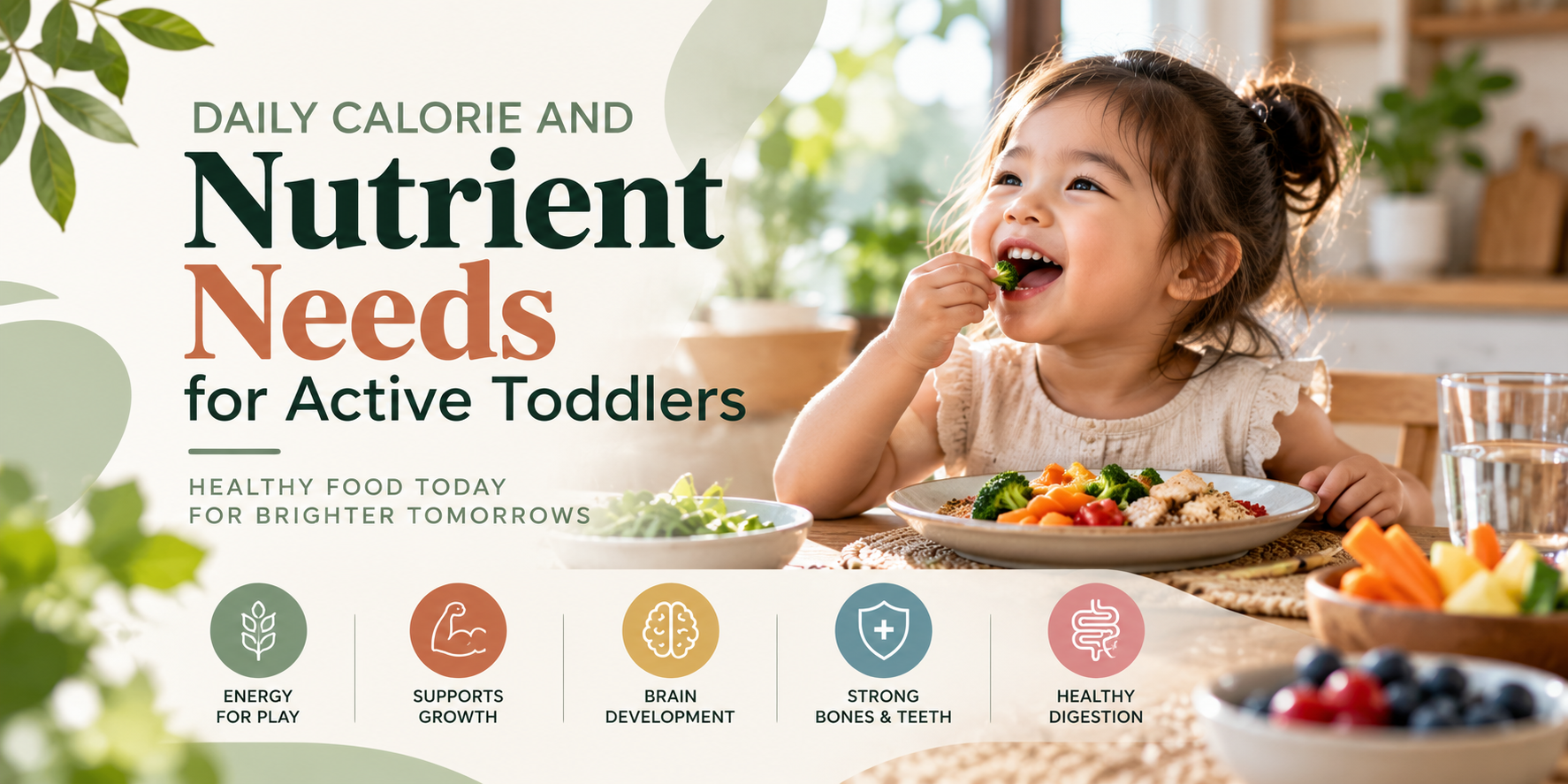
Active toddlers spend much of their day moving, exploring, playing and learning. All this activity uses energy, while their bodies are also growing rapidly. Understanding the nutrient needs for active toddlers can help parents create balanced meals that provide energy, protein, healthy fats, vitamins and minerals.
There is no single calorie target that suits every child. Appetite, age, physical activity, growth patterns and overall health can all influence nutritional requirements. Rather than focusing only on calories, families can consider the quality and variety of foods offered throughout the day.
How Many Calories Do Active Toddlers Need?
The calorie needs of young children vary considerably. Active toddlers may typically require around 1,000–1,400 calories daily, while some estimates place the needs of more active young children closer to 1,200–2,000 calories.
Older children may require approximately 1,600–2,200 calories as they grow. A four-year-old, for example, may have daily needs within a broad range of around 1,200–2,000 calories depending on activity and growth.
These figures are general estimates rather than fixed targets. Children burn energy through playing, walking, running and other daily activities, so their requirements can change from one day to another.
The Key Nutrients Active Toddlers Need
The nutrient needs for active toddlers include a balance of carbohydrates, protein, healthy fats, calcium, iron, vitamins and minerals.
A varied diet can include:
- Whole grains and other carbohydrate-rich foods
- Chicken, beans, eggs and other protein foods
- Dairy foods such as yoghurt and cheese
- Fruits and vegetables
- Healthy sources of dietary fat
- Water throughout the day
The goal is to provide nutrient-dense foods rather than relying heavily on foods high in added sugar or low in nutritional value.
Carbohydrates for Active Play
Carbohydrates are an important source of energy for active children. Whole grains provide complex carbohydrates that can contribute to sustained energy during daily activities.
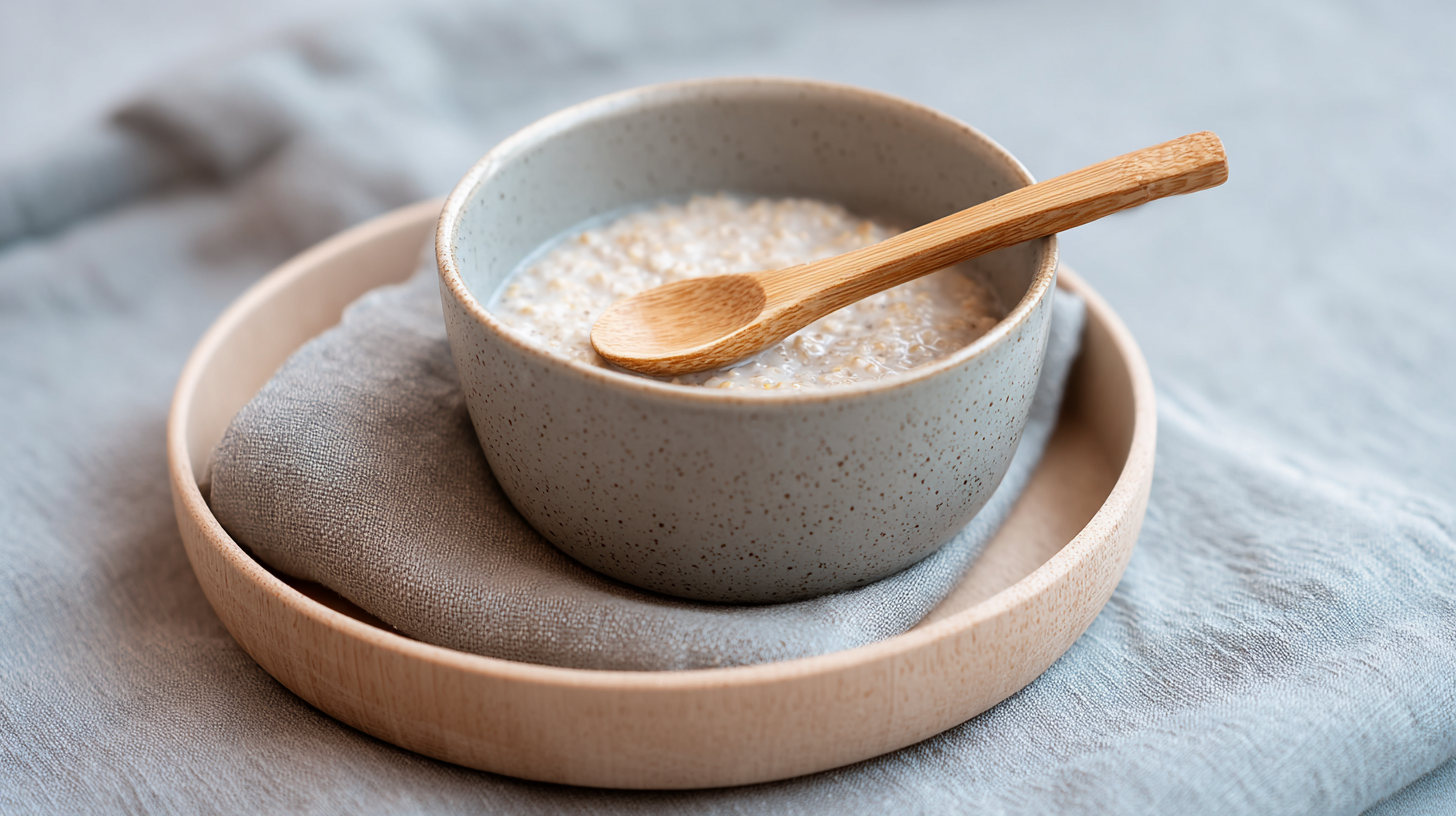
Foods such as oats, wholegrain bread, brown rice and other grains can form part of balanced meals.
Fruits also provide carbohydrates and can be useful as convenient snacks. Bananas, apples, berries and dried fruits can be included according to individual preferences and portion needs.
Protein for Growth and Development
Protein is essential for muscle, tissue and physical development. Active children can obtain protein from a variety of foods, including chicken, eggs, beans, yoghurt, cheese and other suitable dairy foods.
Quality protein sources can be included across meals rather than concentrating all protein in one meal.
For example, breakfast could include yoghurt and oats, lunch could contain chicken and whole grains, while beans or cheese could be included at another meal.
Healthy Fats and Brain Development
Healthy fats are another important part of child's nutrition. Fat provides concentrated energy and contributes to normal brain development and body function.
Sources can include avocado, nut or seed products where age-appropriate, dairy foods and naturally occurring fats in foods such as fish and eggs.
Rather than removing fats from a toddler's diet, parents can focus on offering a varied selection of nutritious foods.
Calcium and Vitamin D for Strong Bones
Calcium is essential for developing strong bones and teeth. Dairy foods such as milk, yoghurt and cheese can contribute useful amounts of calcium.
Vitamin D also has an important role in calcium utilisation and bone development. Nutritional needs vary between children, so families should consider the overall diet when planning meals.
A varied eating pattern can provide several important vitamins and minerals needed during periods of rapid growth.
Iron and Vitamin C
Iron is an important mineral for children's development. Foods containing iron can include beans, meat, eggs, fortified grains and other suitable foods.
Pairing iron-rich foods with foods containing vitamin C can support iron absorption. For example, beans can be served with tomatoes, while chicken can be accompanied by vegetables or fruit.
Vitamin C is also an important nutrient involved in normal immune function.
Fruits and Vegetables Every Day
Fruits and vegetables provide vitamins, minerals, fibre and naturally occurring plant compounds. They can also contribute to hydration because many vegetables and fruits have a high water content.
Parents can offer a variety of colours and textures, such as:
- Carrots
- Cherry tomatoes
- Cucumber
- Broccoli
- Bananas
- Apples
- Berries
- Leafy vegetables
Children may have changing preferences, so repeated exposure to different foods can be a practical part of developing healthy eating habits.
How Many Meals and Snacks?
A practical routine can include three structured meals and two to three nutritious snacks during the day.
Toddlers often eat unpredictably. One meal may be small while another may be larger. For this reason, nutritional balance can be considered across the day or week rather than expecting every individual meal to contain everything.
Healthy snacks can include fruit, vegetables, yoghurt, whole grains or other nutrient-rich foods.
Pre-Activity Snacks for Active Kids
A small snack around 30–60 minutes before physical activity may be useful for some children.
Combining carbohydrates with a source of protein can provide a balanced snack. Examples include:
- Banana with yoghurt
- Wholegrain toast with cheese
- Fruit with plain yoghurt
- Oat-based snacks with fruit
Portion sizes should be appropriate for the child's age and appetite.
Water Is the Best Everyday Drink
Hydration is an important part of the nutrient needs for active toddlers. Children can become absorbed in play and may not always respond to thirst.
Water is generally the primary drink to offer between meals. Adequate fluid intake supports normal body temperature regulation and helps the digestive system function properly.
Milk and other nutritious drinks can have a place in a balanced diet, but drinks containing added sugar should be limited.
Limiting Added Sugar
Foods and drinks high in added sugar can take up space in the diet without providing the same range of essential nutrients found in whole foods.
Limiting added sugar can also help support more consistent energy throughout the day.
Instead of relying on sweet snacks, families can offer naturally sweet foods such as fruit, yoghurt or homemade snacks containing whole grains.
Making Healthy Eating a Family Habit
Children often learn by observing the adults around them. Eating together when possible, can help establish positive healthy eating habits.
Parents can involve children in simple activities such as washing vegetables, choosing fruit, mixing ingredients or helping prepare meals.
Making meal preparation a family activity can also introduce children to different foods, tastes and textures in a relaxed setting.
A Simple Daily Meal Example
A balanced day might include:
Breakfast: Oats with yoghurt and fruit.
Morning snack: Banana or another seasonal fruit.
Lunch: Chicken or beans with whole grains and vegetables.
Afternoon snack: Yoghurt with fruit or a wholegrain snack.
Dinner: Protein such as chicken, fish or beans with vegetables and grains.
Drinks: Water throughout the day, with suitable milk or dairy foods as part of the overall diet.
This is only an example. Children's appetites, dietary preferences and nutritional requirements differ.
Supporting Active Toddlers Through Nutrition
The nutrient needs for active toddlers are best considered as part of an overall lifestyle that includes nutritious food, physical activity, adequate sleep and regular routines.
Whole grains can provide complex carbohydrates, protein supports growth and tissue development, healthy fats contribute to brain development, while calcium, vitamin D, iron and other micronutrients contribute to normal development.
A varied diet with fruits, vegetables, dairy or suitable alternatives, protein foods and whole grains can provide a strong nutritional foundation for growing children.
Most importantly, parents do not need to expect perfect eating at every meal. Looking at food intake across the day and week can provide a more realistic picture of a child's nutrition and wellbeing.
Disclaimer
This article is for educational purposes only and does not replace personalised professional advice. Individual nutritional needs vary according to age, activity, growth and other factors. Families with specific nutritional concerns should seek guidance from an appropriately qualified healthcare professional.