




The relationship between nutrition and gut health has become an important area of interest, particularly when discussing the role of beneficial bacteria and the gut microbiome. Among naturally occurring components of dairy nutrition, prebiotics in goat milk have attracted attention because of the unique oligosaccharides found in goat milk.
These naturally occurring compounds can interact with gut bacteria and may contribute to a healthy microbial balance. Understanding how goat milk oligosaccharides work, how they differ from those found in other types of milk, and how prebiotic foods fit into a balanced diet can help families make informed nutritional choices.
What Are Prebiotics in Goat Milk?
Prebiotics in goat milk are primarily associated with naturally occurring oligosaccharides. These are complex carbohydrates that are not fully broken down in the upper digestive system. Instead, some can reach the colon, where they may become available to beneficial microbes.
Unlike probiotics, which are live microorganisms, prebiotics are food components that help provide nourishment for certain microorganisms already present in the gut.
Goat milk contains a notable variety of oligosaccharides. Research has identified up to 77 distinct goat milk oligosaccharide structures, although the exact composition can vary according to milk production, animal factors and processing.
Goat Milk Oligosaccharides and the Gut Microbiome
The gut microbiome contains a complex community of bacteria and other microorganisms. A healthy balance between different microbial groups contributes to normal digestive and bodily functions.
Goat milk oligosaccharides can resist breakdown in the upper gastrointestinal tract. This allows some of them to reach the lower digestive system, where gut bacteria can interact with these compounds.
Research suggests that goat milk oligosaccharides may stimulate beneficial bacteria such as Bifidobacteria and Lactobacilli. Their fermentation can also produce short chain fatty acids, which are important compounds involved in normal intestinal function.
This is one reason prebiotics in goat milk are being studied as part of nutritional approaches that support gut health.
How Much Oligosaccharide Does Goat Milk Contain?
The amount of oligosaccharides in goat milk varies according to the stage of lactation and other factors.
Mature goat milk has been reported to contain roughly 60 to 350 mg/L of oligosaccharides. Goat colostrum may contain substantially higher concentrations, with reported amounts reaching approximately 200 to 650 mg/L.
For comparison, human milk contains approximately 5 to 8 g/L of oligosaccharides. These quantities demonstrate why mammalian milk oligosaccharides have received considerable attention in nutritional research.
Goat milk also contains a greater variety of oligosaccharides than sheep milk, and research indicates that some goat milk oligosaccharides are structurally closer to those found in human milk than corresponding compounds found in cow or sheep milk.
Prebiotics Versus Probiotics: What Is the Difference?
The terms prebiotics and probiotics are sometimes used interchangeably, but they describe different things.
Prebiotics are non-digestible food components that can be used by beneficial microorganisms. Dietary fibre is one of the main sources of prebiotic compounds in the diet.
Probiotics are live microorganisms that, when consumed in adequate amounts, may provide health benefits. Common probiotic organisms include certain Bifidobacteria and Lactobacillus strains.
Probiotic foods can include yoghurt, kefir and some fermented foods. However, not all fermented foods contain live and active cultures, so their nutritional characteristics can vary.
In simple terms, prebiotics provide a potential food source for beneficial microbes, while probiotics introduce live microorganisms.
How Goat Milk Prebiotics May Support Beneficial Bacteria
One of the interesting aspects of prebiotics in goat milk is their interaction with gut bacteria.
Some goat milk oligosaccharides may act as substrates for beneficial bacteria. As these bacteria use the compounds, fermentation can produce short chain fatty acids. These compounds are involved in several normal processes within the gastrointestinal tract.
Current research also suggests that goat milk oligosaccharides may function as decoy receptors. In this role, they may interact with certain harmful bacteria before those microorganisms can attach to intestinal surfaces.
This does not mean goat milk prevents infections or treats health conditions. Rather, it highlights an area of ongoing research into how naturally occurring milk components interact with the gut microbiota.
Goat Milk Compared With Cow Milk
Goat milk and cow milk both provide protein, fat, lactose, vitamins and minerals. However, their nutritional composition is not identical.
Goat milk contains smaller fat globules and a different protein composition. It also contains higher levels of certain short-chain and medium-chain fatty acids.
Some research has found that goat milk can be more digestible than cow milk, although digestive responses vary between individuals.
Goat milk has also been reported to contain approximately 18% more calcium and 43% more potassium than cow milk in some nutritional comparisons. Actual values can vary depending on the milk and production conditions.
These differences are part of the broader nutritional profile of goat milk rather than evidence that one type of milk is universally preferable.
The Role of Short Chain Fatty Acids
Short chain fatty acids are produced when certain dietary components, including some prebiotics, are fermented by gut bacteria.
The fermentation of goat milk oligosaccharides can contribute to the production of these compounds. Short chain fatty acids are associated with normal intestinal processes and interactions between the gut microbiota and the digestive system.
The relationship between prebiotics, beneficial microbes and short chain fatty acids is therefore an important area of gut health research.
A balanced diet containing naturally occurring fibre, fruits, vegetables, legumes and whole grains can also provide substrates that support the production of short chain fatty acids.
Prebiotic Foods in a Balanced Diet
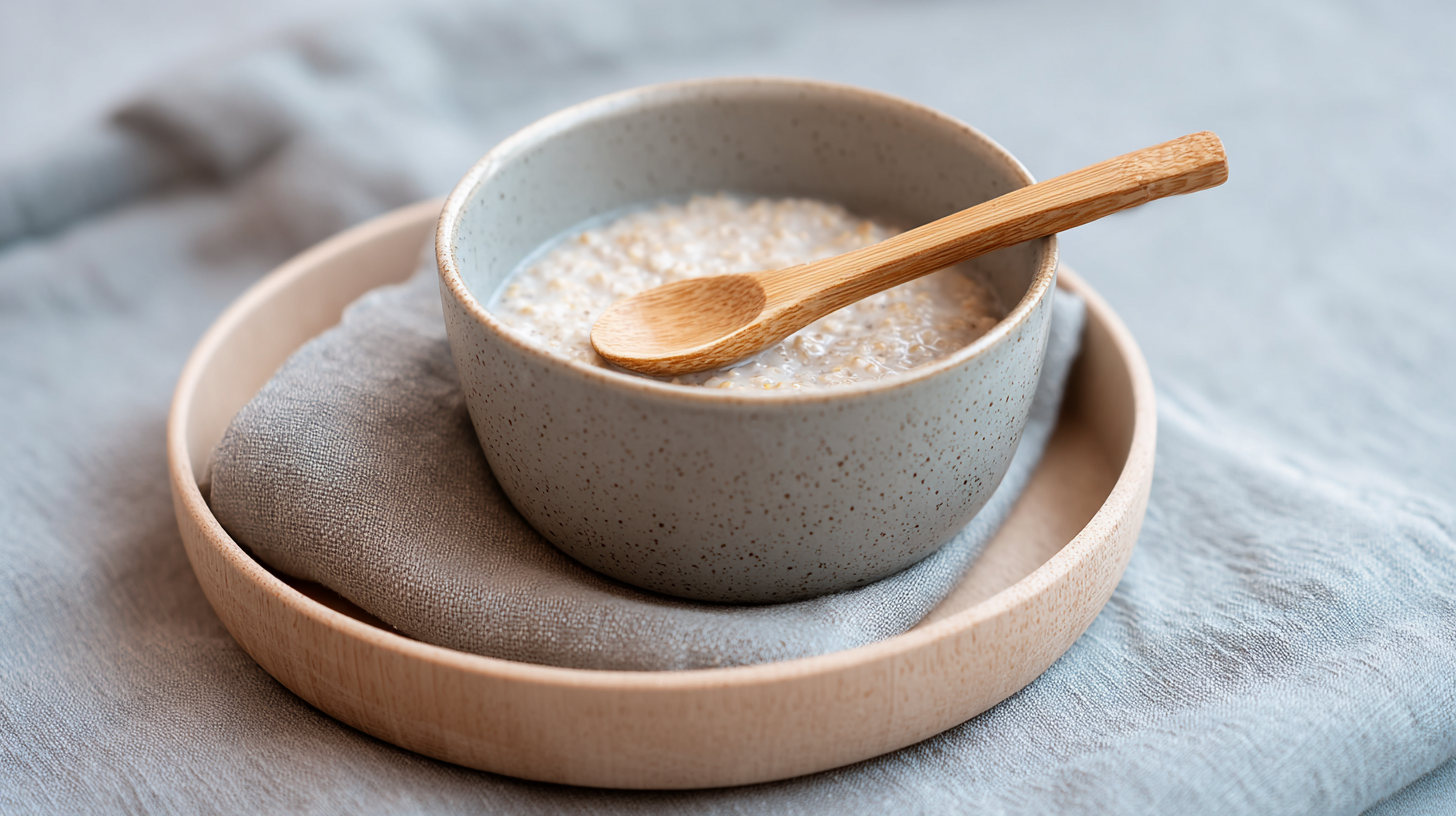
Prebiotic foods are an important part of everyday nutrition. Examples include:
- Oats and whole grains
- Bananas
- Garlic
- Onions
- Legumes
- Fruits
- Vegetables
- Certain types of fibre-rich foods
These foods provide dietary fibre and other compounds that can be used by gut microorganisms.
Combining a variety of prebiotic foods with appropriate probiotic foods may help support microbial diversity. However, nutritional needs differ between individuals, and not everyone responds to foods in exactly the same way.
Does Goat Milk Improve Gut Health?
Research into goat milk, oligosaccharides and gut health is developing. Some studies suggest that goat milk components may influence beneficial bacteria and support aspects of intestinal function.
Goat milk oligosaccharides may help beneficial microbes thrive, while their fermentation can generate short chain fatty acids. Some research has also explored whether these compounds may contribute to intestinal barrier function.
However, it is important to avoid presenting these findings as guaranteed health outcomes. Gut microbiota are highly individual, and there is no single ideal microbiome for every person.
Diet, age, lifestyle, medication use and other factors can all influence gut microbiota.
Goat Milk and the Immune System
The gut and immune system are closely connected. A large proportion of immune activity occurs around the intestinal environment, where immune cells interact with dietary components and microorganisms.
A balanced microbiome may contribute to normal immune responses. Goat milk oligosaccharides are being studied for their potential role in supporting this microbial environment.
This should be viewed as part of overall nutrition rather than a treatment or prevention strategy. A varied diet containing adequate nutrients remains important for normal immune function and overall well-being.
Fermented Goat Milk and Probiotic Foods
Fermented goat milk products, including goat milk kefir, can contain microorganisms produced or retained during fermentation. Depending on the product and processing method, these may include beneficial bacteria.
Research has explored whether fermented goat milk products can influence gut microbiota diversity.
Similarly, probiotic foods such as yoghurt, kefir and selected fermented foods may provide live microorganisms. However, not all fermented foods contain the same organisms or quantities.
Probiotic supplements are also available, but they may not be suitable for everyone. Their use should be considered according to individual nutritional needs and professional advice where appropriate.
Can Prebiotics Cause Digestive Discomfort?
Although prebiotics can support beneficial microbes, increasing them suddenly may cause temporary digestive symptoms such as bloating or changes in bowel movements in some people.
The gut bacteria ferment prebiotic compounds, and this process can produce gases and short chain fatty acids. Individual tolerance can therefore vary.
Introducing fibre-rich foods gradually and maintaining adequate fluid intake can be useful for general digestive comfort.
Anyone experiencing persistent digestive symptoms should discuss them with a healthcare professional.
Why Gut Microbiome Diversity Matters
A diverse gut microbiota contains many different microorganisms that interact with food, the intestinal environment and one another.
Dietary variety can contribute to this diversity. Fruits, vegetables, legumes, whole grains and other nutrient-rich foods provide different types of fibre and plant compounds.
Prebiotics in goat milk represent one specific group of naturally occurring compounds, but they are only one part of the wider nutritional picture.
Good gut health is influenced by the overall diet and lifestyle rather than a single food.
Understanding the Bigger Picture
The science surrounding prebiotics in goat milk offers an interesting look at how naturally occurring food components interact with beneficial bacteria.
Goat milk contains oligosaccharides that can resist digestion in the upper gastrointestinal tract and may serve as food for selected gut microorganisms. Research has identified numerous goat milk oligosaccharide structures, and their similarities to certain human milk oligosaccharides continue to attract scientific interest.
At the same time, prebiotic foods, probiotic foods, adequate hydration, physical activity, regular meals and a varied diet all contribute to a broader approach to digestive health.
Rather than focusing on one ingredient, considering the complete nutritional pattern provides a more balanced way to understand gut health and overall well-being.
Final Thoughts on Prebiotics in Goat Milk
Prebiotics in goat milk are mainly associated with naturally occurring oligosaccharides that interact with the gut microbiota. Research suggests that these compounds can support selected beneficial bacteria and contribute to the production of short chain fatty acids during fermentation.
Goat milk also provides protein, calcium, potassium, vitamins and other nutrients, while its fat and protein structures differ from those found in cow milk.
For families exploring goat milk, understanding its complete nutritional profile is more useful than focusing on a single claimed benefit. A diverse diet containing fruits, vegetables, whole grains, legumes and suitable fermented foods can provide additional sources of prebiotic and probiotic compounds.
Disclaimer
This article is provided for educational purposes only and does not replace personalised professional advice. Individual nutritional needs and digestive responses can vary, so appropriate guidance should be sought from a qualified healthcare professional when specific concerns arise.