%201.svg)









The Best Children Snacks for Busy, On-the-Go Parents
Life with a little one means always being “on call”, car rides, errands, park stops, visiting friends. For parents juggling lives on the move, having a repertoire of healthy, portable children snacks is a lifesaver. But little one's and toddlers have small stomachs, developing mouths, and special nutritional needs. In this guide, we’ll explore smart snack options, considerations for safety and nutrition, and creative mini-meal ideas you can mix into your daily routine.
Why Snacks Matter (Especially on the Go)
Before diving into snack ideas, let’s appreciate why snacks are crucial:
- Rapid growth and high energy needs: Young children have high energy requirements relative to body size, yet limited capacity per feeding.
- Small stomachs: They may not take large meals, so small, frequent nutrient-dense snacks help fill gaps.
- Developing tastes: Snack times offer repeated exposure to vegetables, grains, proteins and healthy fats, helping establish preferences.
- Prevent fatigue and fussiness: A well-chosen snack can avert hunger-induced tantrums between main meals.
However, not all snacks are equal. Let’s note the guidelines and tips below.
Guidelines & Safety Tips
Any snack intended for little one's or toddlers should follow these guiding principles:
- Include differing food groups
Offer a variety across vegetables & fruit; grain foods (wholegrain where possible); dairy (or alternatives); proteins (eggs, meat, legumes, nut butters) to support balanced nutrition.
- Avoid added salt and sugar
Little one's taste buds are sensitive. Added sugar or salt offers no nutritional benefit and may displace healthier foods.
- Watch choking hazards
Some foods (whole nuts, hard raw vegetables, large grapes, sausage slices, popcorn) pose choking risks. Always cut or mash items to safe texture and supervise eating.
- Choose whole-food, minimally processed options
Whole fruits, cooked vegetables, plain yoghurt, wholegrain breads or crackers, lean proteins and nut/seed butters are preferable to sugary or highly processed snacks.
- Be sensitive to texture development
As little one's move from purees to soft finger foods, gradually introduce more texture (mashed, grated, bite-sized) so they learn to chew and swallow safely.
- Offer water or milk appropriately
Snacks should complement, not replace, maternal milk or formula (in younger little one's) or full meals. Once complementary feeding begins, water is a good drink between feeds.
Can I Give My 7-Month-Old Snacks?
Yes, but timing and choice matter. Around six months old, when your young child shows signs of readiness (sitting more upright, showing interest in food, losing tongue-thrust reflex), you can begin offering small soft tastes of appropriate foods.
At 7 months old, typical snacks might be:
- Soft mashed banana
- Steamed, very soft mashed vegetables (e.g. carrot, pumpkin)
- Plain yoghurt (if dairy is introduced)
- Cooked soft beans or lentils, well mashed
These serve more as “tastes” or small complements to milk rather than full snacks.
As your child grows toward 9–12 months old, you can introduce more finger foods and mini snack portions (soft pieces, grated vegetables, small cubes), always matched to their chewing ability and supervision is a must.
What Are Easy Snacks for Little One's On the Go?
Here are snack ideas that travel well, are quick to assemble, and incorporate varied nutrients:
Fruit & Vege Snacks
- Soft fruit cubes or slices: Banana (ripe), mango, steamed pear, kiwi, soft peeled apple (steamed or micro-cooked)
- Steamed veggie sticks or florets: Broccoli, cauliflower, carrot, green beans, cooked until soft
- Grated veggies in small containers: Grated carrot or zucchini
- Fruit or veg purée pouches: Homemade, free from added sugar or salt
Dairy & Alternatives
- Plain yoghurt: Full-fat, unsweetened; use as is or mix with fruit
- Cottage cheese: Soft curds, small spoonfuls
- Cheese cubes or strips: Soft cheese cut into manageable small pieces
- Yoghurt melts: Freeze yoghurt drops on parchment paper, will melt gradually
Grains & Breads
- Wholegrain toast fingers (lightly toasted, easy to hold)
- Small rice or quinoa cakes (plain, unsalted)
- Soft wholegrain crackers / crispbread (thin spread of nut butter or soft cheese)
- Mini muffins or pancakes made with fruit and minimal added sugar
- Oat or millet bars (homemade, without excess sugar)
Proteins & Healthy Fats
- Scrambled eggs (soft, no salt)
- Nut butter or seed butter (almond, peanut, sunflower, thin spread on toast or crackers; ensure smooth texture
- Soft cooked shredded chicken or fish (finely chopped)
- Hummus or bean dip with vegetable sticks or soft bread
- Mini meatballs or falafel bites (baked, soft)
- Cubes of tofu (soft, silken or soft tofu, cut small)
Combinations & Mini Meals
- Yoghurt + fruit mash in a small container
- Toast + mashed avocado + a drizzle of olive oil
- Crackers + hummus + steamed veggie sticks
- Mini pancake + nut butter + fruit purée
- Soft tacos: very soft wrap with avocado, soft chicken, grated vegetables
Snack Ideas by Age / Stage
Below is a rough guide as little one's grow:
Always ensure snack size, shape and firmness are safe (not large, round, or hard).
What Are Good Kids' Snacks (for 1+ Year Olds)?
For toddlers and young preschoolers, you can expand the snack list with a few more robust ideas, while still keeping them healthy:
- Smoothie pops: blend banana + yoghurt + spinach, freeze in moulds
- Wholegrain cereal: (low sugar) with milk
- Veggie muffins: carrot, zucchini, spinach
- Mini quesadillas: soft tortilla with mashed beans + veggies
- Energy bites / bliss balls: oats, nut butter, fruit, seeds (no added sugar)
- Popcorn (air-popped, with no salt or butter): only for children comfortable chewing (typically older toddlers)
- Fruit kebabs: soft fruit on small skewers (ensure pieces are bite-size)
Dry Snacks for a 1-Year-Old
Dry snacks are useful for on the go, but safety and nutrition matter. Some suitable snack options include:
- Wholegrain crispbreads or rice cakes (plain, unsalted)
- Puffed grains or cereal (low sugar)
- Dry children biscuits made with whole grains
- Homemade baked oat or millet bars (without excess sugar)
- Freeze-dried fruit (no added sugar)
- Small wholegrain crackers
These must be soft enough for a 1-year-old to chew safely. Always monitor eating and offer with water or milk to reduce the risk of choking.
Dealing with Picky Eaters
Many parents face fussy toddlers or picky eaters. Here are some strategies to help overcome this:
- Offer repeatedly: It can take 8–10 or more exposures to a new vegetable or food before a child accepts it.
- Pair with familiar foods: Serve a new food beside something your child already likes.
- Make it fun: Use colourful shapes, arrange in a plate you know they like.
- Be patient, not forceful: Encouragement beats pressure.
- Include them in snack prep: When older toddlers help, they may feel more ownership and interest.
- Model enjoyment: Children often copy adults, if they see you eating vegetables or dips, they may try too.
Great Finger Food Picks
Finger foods are ideal for older little one's and toddlers who can self-feed. Some safe and nutritious finger foods include:
- Soft steamed vegetable florets (broccoli, cauliflower)
- Soft fruit cubes (banana, cooked pear, mango)
- Cheese strips or cubes
- Wholegrain toast fingers or crackers
- Small pieces of cooked chicken or fish
- Tofu cubes
- Thin slices of cooked egg or omelette
Ensure pieces are small and soft enough to manage in the mouth without the risk of choking.
Incorporating Nut Butters & Healthy Fats
Nut and seed butters (almond, peanut, sunflower) can offer healthy fats, protein, and micronutrients. Use them wisely:
- Always choose smooth, unsweetened, unsalted versions
- Apply thinly, a light spread on toast or crackers is sufficient
- Introduce slowly, especially if there is a family history of allergies
- Mix a little into porridge, yoghurt, or smoothies
Olive oil is also a good addition for cooking or drizzling on soft cooked vegetables or puréed foods to boost healthy fat intake.
Using Plain Yoghurt Wisely
Plain full-fat yoghurt is a star snack ingredient because of its calcium, protein and probiotics. You can:
- Serve plain or mix in mashed fruit
- Use it as a dip (with vegetable sticks)
- Make frozen yoghurt drops or pops
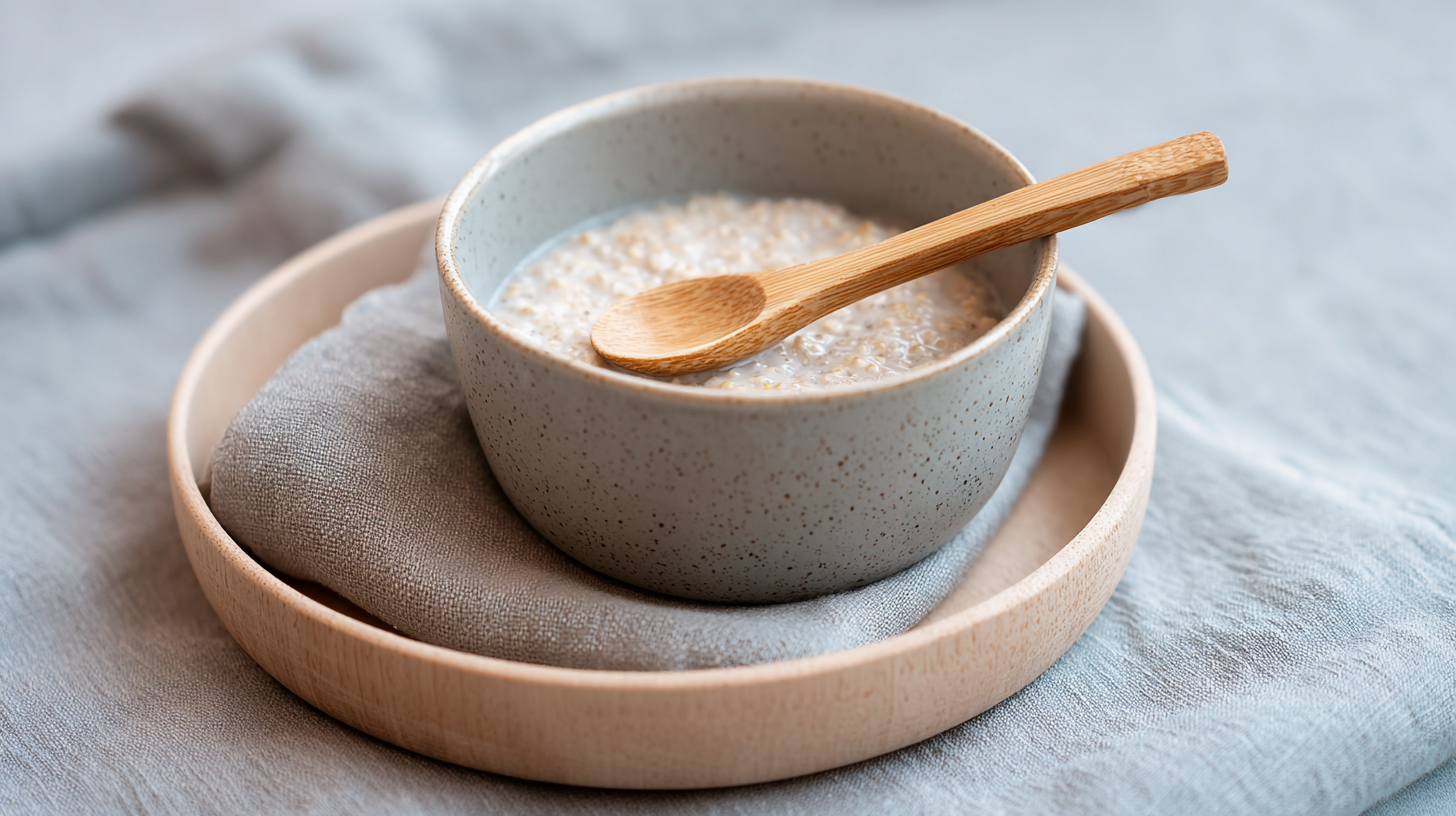
- Stir a little into porridge or soft cereals
Avoid flavoured yoghurts with added sugars or sweeteners, which are less healthier options.
Nutrient Focus: Vitamin C, Fibre, Protein, etc.
When planning snacks, aim to include a mix of key nutrients:
- Vitamin C: Aids iron absorption - fruit like kiwi, mango, papaya, and orange, or veggies like broccoli, and peppers.
- Fibre / Whole grains: Use wholegrain breads, oats, quinoa, brown rice.
- Protein: Eggs, lean meat, beans, lentils, yoghurt, cheese.
- Healthy fats: Nut butters, olive oil, avocado.
- Calcium: Yoghurt, cheese, tofu, milk (when age-appropriate).
Because snack servings are small, each bite should “pull weight” nutritionally.
Sample Snack Plan for a Day
Here’s how an on-the-go snack schedule might look like:
- Mid-morning: Wholegrain toast fingers + a thin smear of nut butter + banana slices
- Around lunchtime break: Steamed veggie sticks + hummus dip
- Afternoon: Plain yoghurt with fruit mash
- Late snack before dinner: Soft egg muffin or mini pancake
These provide energy, variation across food groups, and extra nutrients.
Tips for Travel & Portability
- Use small, airtight containers or snack boxes
- Silicone freezer packs or gel packs help keep perishable snacks cool
- Divide portions ahead of time (so you don’t over offer)
- Pre-cut or pre-cook veggies, fruits, eggs, proteins
- Bring wet wipes and a bib/mat for messy little hands
- Keep water handy, hydration supports digestion
Final Thoughts
For on-the-go parents, the best children snacks are those that are:
- Nutritious across food groups
- Safe (age-appropriate texture, small size)
- Convenient and easy to pack
- Free from added sugar and salt
- Adaptable as little one's grow
With a little planning and creativity, snack time becomes an opportunity to nourish, delight and expose your child to new tastes. Over time, you’ll build a go-to snack kit that travels with you, whether you’re heading to the park, in the car, or visiting grandparents.
Disclaimer: The content of this article is for general informational purposes only and does not constitute medical, dietary or other professional advice. Always consult qualified healthcare professionals (paediatricians, dietitians, childcare health advisors) before introducing new foods, especially in little one's or children with health conditions, allergies or special requirements.