%201.svg)








Introducing solids is one of the most exciting milestones in your child’s first year. It’s a time filled with curiosity, new tastes, different textures, and plenty of adorable mess. Among the first foods many parents choose, fruits often take centre stage. They’re naturally sweet, packed with nutrients, gentle on tiny tummies, and perfect for helping a little one's learn to enjoy a wide variety of flavours.
From soft fruits suitable for little one's-led weaning to mashed fruits ideal for spoon-feeding, understanding the right fruits to offer, how to prepare them safely, and when to introduce each option can make the transition to solid food smoother and more enjoyable for everyone.
This guide explains the best first fruits, how to introduce them safely, how they fit into a balanced little one's diet, and how to choose fruits that support healthy development while also covering important rules about what you can and cannot claim when it comes to fruit and nutrition statements on packaging. It’s designed to support parents looking for clear, practical, evidence-based guidance written in everyday language.
Why Fruits Are a Great First Food for Little One's
From around 6 months of age, most little one's are ready to start solids. Whether you choose traditional weaning, little one's-led weaning, or a combination of both, fruits can play a valuable role.
Here’s why fruits make excellent first foods:
- Naturally soft: Many fruits have a naturally soft texture, making them easy for little one's to gum and mash.
- Packed with essential vitamins: Key nutrients such as Vitamin C, beta carotene, and a range of minerals support immune function, growth, and overall wellbeing.
- Introduce sweet tastes naturally: Most fruits are sweet without added sugar, helping to explore new tastes.
- Rich source of hydration and fibre: Fresh fruits contain plenty of water and gentle fibre that support comfortable digestion.
- Versatile textures: You can serve fruits mashed, finely chopped, sliced into safe finger foods, or incorporated into other foods like porridge.
Little One's-Led Weaning vs Traditional Weaning: Fruits Work for Both
Whether spoon-feeding mashed fruits or offering small pieces to self feed, fruits are easy to adapt.
- Little one's-led weaning: Offer fruits in soft, graspable shapes such as avocado wedges or banana halves.
- Traditional weaning: Smooth purées, mashed fruits, or finely grated options are ideal.
Both methods allow little one's to enjoy fruits as part of learning to handle solid foods. The key is preparation for age and ability, always serve fruits in a way that prevents choking and encourages safe eating.
How to Prepare Fruits Safely for Little One's
Preparing fruits properly matters just as much as choosing them. Here are some parent-friendly tips:
1. Choose soft fruits for beginners
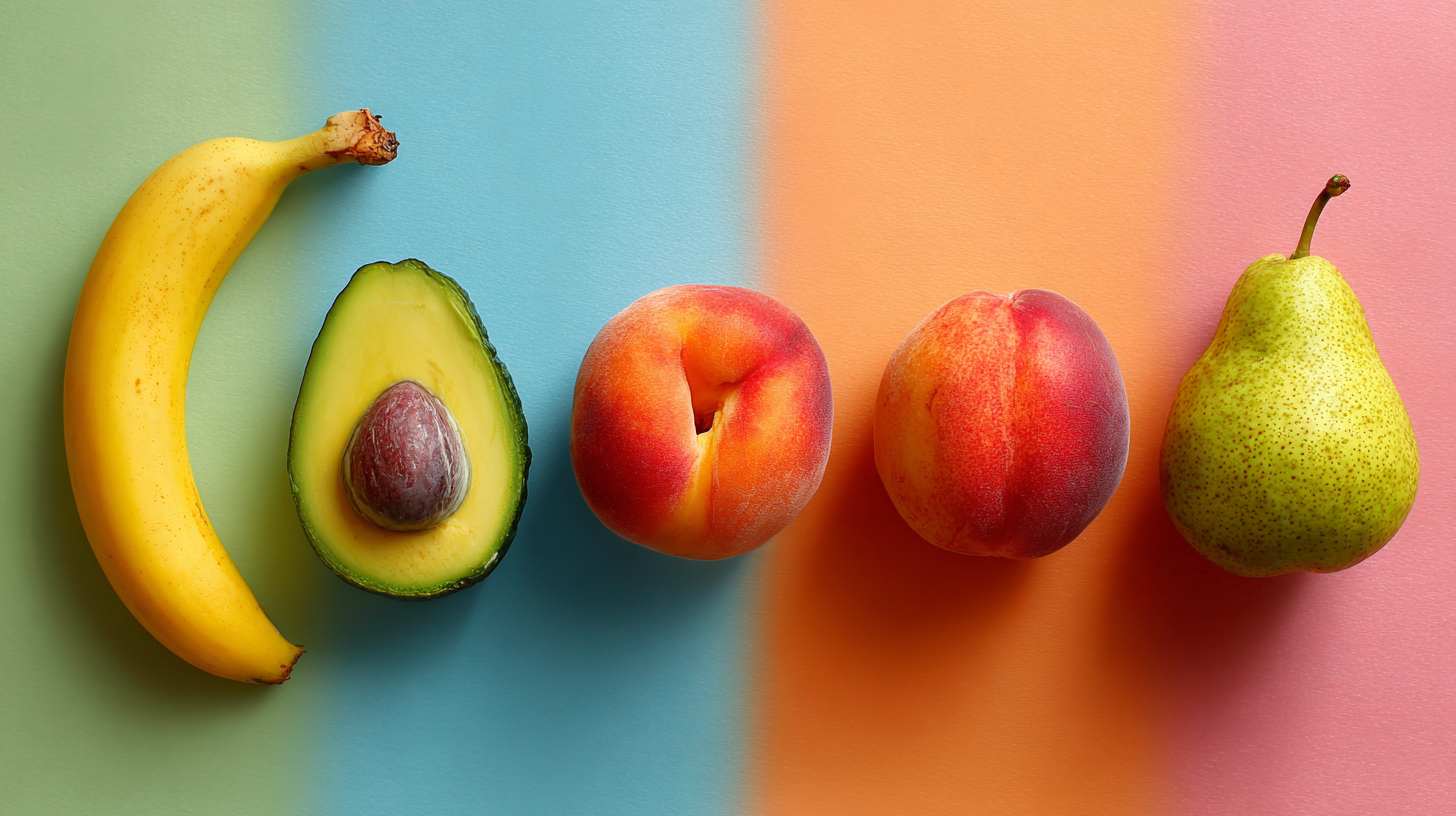
Fruits like bananas, avocados, peaches, and pears mash easily and require minimal chewing.
2. Serve age-appropriate shapes
From around 6 months old:
- Offer large, soft pieces that little one's can grip in their fist.
- Mash or purée fruits for spoon-feeding.
From around 7 months old:
- Introduce small pieces, chopped soft fruits, and more varied textures as your little one's develops chewing skills.
3. Prevent choking
- Avoid hard fruits unless cooked to soften.
- Remove seeds, stones, and tough skins.
- Always cut grapes, cherries, and berries into small pieces.
- Stay nearby while your child eats.
4. Introduce new fruit slowly
Offer one new fruit at a time so you can observe how your little one's reacts. This also helps them explore different tastes without overwhelming them.
The 7 Best First Fruits for Little One's Starting Solids
Below are some of the best fruits to introduce early with each fruit offering flavour, nutrients, and little one's-friendly texture.
1. Bananas
Bananas are naturally soft, sweet, and easy to mash, making them one of the best first fruits. They’re rich in essential vitamins and minerals, providing gentle energy for growing little one's.
How to serve:
- Mashed for spoon-feeding
- Halved for grip
- Torn into small pieces
2. Avocados
Creamy and mild, avocados are packed with nutrients and soft fats that support healthy development.
How to serve:
- Mashed
- Sliced into finger-sized pieces
- Added to other foods like mashed veggies
3. Apples (Stewed or Mashed)
Raw apples are too firm for little one's, but stewed apples are smooth, sweet, and gentle.
How to serve:
- Stewed and mashed
- Mixed with little one's formula or maternal milk
- Combined with iron rich foods like oats or meat-based dishes
4. Pears
Naturally juicy and sweet, pears soften beautifully when lightly steamed.
How to serve:
- Steamed and mashed
- Cut into soft wedges for little one's-led weaning
- Mixed with green vegetables to balance flavours
5. Peaches
Peaches offer soft flesh, natural sweetness, and a lovely aroma that little one's tend to enjoy.
How to serve:
- Fresh slices with skin removed
- Mashed or puréed
- Combined with yoghurt or other fruits
6. Blueberries
Blueberries are rich in helpful nutrients and safe when served properly.
How to serve:
- Mashed
- Halved or squashed for older little one's
- Added to oats or mixed with mashed fruits
7. Strawberries
Strawberries introduce new tastes and provide essential vitamins, including vitamin C.
How to serve:
- Mashed
- Chopped finely for little one's over 7 months
- Mixed with other soft fruits
Fruits to Introduce With Extra Care
Some fruits require more careful preparation due to texture, acidity, or choking risk.
Grapes
Always cut lengthwise into quarters (or smaller), remove seeds, and ensure they’re soft.
Cherries
Remove the stone, cut into very small pieces, and serve only when very soft.
Acidic fruits
Citrus fruits can be introduced gradually but may cause discomfort if too sour at first. Offer small amounts and observe your child’s response.
Understanding Nutrition Content Claims vs Health Claims
When buying packaged foods or reading labels, it helps to understand the difference between nutrition content claims and health claims especially because parents often rely on labelled information when choosing foods.
Nutrition content claims
These describe the amount of a nutrient in a food, such as:
- “Source of vitamin C”
- “Low in sodium”
- “No added sugar”
Such claims must follow strict definitions. For example:
- “No added sugar” means no sugar has been added during processing.
- “Source of vitamin C” requires a specific minimum amount of the nutrient per serving.
These rules ensure accuracy, preventing misleading statements on little one's foods.
Health claims
Health claims link a nutrient to a physiological benefit, such as:
- “Vitamin C supports immune function”
- “Calcium is needed for normal bone structure”
Health claims must meet the requirements defined by food regulations, including the Nutrient Profiling Scoring Criterion (NPSC), which determines whether a food is eligible to carry such a claim. Some foods cannot carry health claims unless they meet particular thresholds.
Prohibition of therapeutic claims
Foods cannot claim to treat, cure, or prevent diseases or medical conditions. This protects families from misleading promises and ensures that food products remain distinct from medical products.
Endorsements
If a food carries an endorsement for example, from an organisation it must be independent. This ensures that endorsement statements are credible and not influenced by marketing incentives.
Added sugar claim changes
The rules for how “added sugars” can be claimed or represented on packaging have recently been clarified to ensure more consistent definitions. Transitional arrangements may apply, but the goal is to make sugar-related labelling clearer and prevent confusion for families.
Combining Fruits With Other Foods
While fruits are wonderful on their own, pairing them with other foods supports balanced nutrition.
Pair with iron-rich foods
Iron becomes particularly important from around 6 months old. Pair fruits with:
- Meat
- Iron-fortified little one's formula
- Iron-rich cereals
- Legumes
- Green vegetables
Vitamin C in fruits helps support the absorption of iron from plant-based sources.
Offer fruits with varied textures
As your little one's grows, gradually increase texture variety:
- From purées to mashed fruits
- From small pieces to finger foods
- From single fruits to combinations
This helps your little one's learn to handle solids safely and confidently.
Fruits to Avoid Force Feeding
Avoid force feeding at all times. Little one's learn to regulate their hunger and fullness cues naturally when allowed to eat at their own pace. Gently offer fruits and let little one's decide how much to eat.
What Is the Healthiest Fruit for a Little One's ?
There is no single “healthiest” fruit because each offers unique nutrients. The most helpful approach is offering a variety of fresh fruits, ensuring a broad spread of vitamins, minerals, textures, and tastes.
Which Fruit Is Best for Little One's Brain Development?
Fruits that contain soft fats, vitamins, and natural antioxidants can support healthy development. Avocados are often highlighted because of their smooth texture and nutrient profile. However, variety remains key. Fruits combined with iron-rich foods and balanced meals contribute to overall growth.
What Are the Top 5 Healthiest Fruits for Little One's ?
If choosing a top five based on nutrition, texture, and little one's-friendliness, many parents start with:
- Bananas
- Avocados
- Pears
- Apples (stewed)
- Blueberries
These are soft, easy to prepare, and packed with essential vitamins.
What Fruit to Give a 7-Month-Old?
By 7 months old, little one's can eat a wider variety of fruits, including:
- Bananas
- Avocados
- Peaches
- Pears
- Apples (cooked)
- Strawberries
- Blueberries
- Cherries (pitted and chopped)
- Grapes (cut into quarters)
You can introduce fruits with more texture and small pieces as chewing skills improve.
The 10 Best Foods for Little One's (Not Just Fruits)
A balanced diet for little one's includes:
- Iron-rich meats
- Soft fruits
- Mashed vegetables
- Green vegetables
- Little one's formula or maternal milk
- Oats and whole grains
- Yoghurt
- Legumes
- Eggs (cooked)
- Puréed or mashed fish (low-mercury options)
Final Thoughts
Introducing fruits is one of the most enjoyable steps in your little one's eating journey. With their natural sweetness, gentle textures, and wide range of nutrients, fruits help little one's explore new tastes and develop a positive relationship with food. Whether you choose mashed fruits, soft slices, or little one's-led finger foods, offering a colourful variety supports your child’s learning and enjoyment.
Combined with safe preparation, nutrient-rich pairings, and an understanding of correct food labelling and claims, parents can feel confident choosing the best fruits for their child’s early eating experiences.
Disclaimer
This article is for informational purposes only and does not replace professional medical, nutrition, or allergy advice. Always follow guidance from your healthcare provider regarding feeding practices, suitability of foods, and individual dietary needs.