%201.svg)







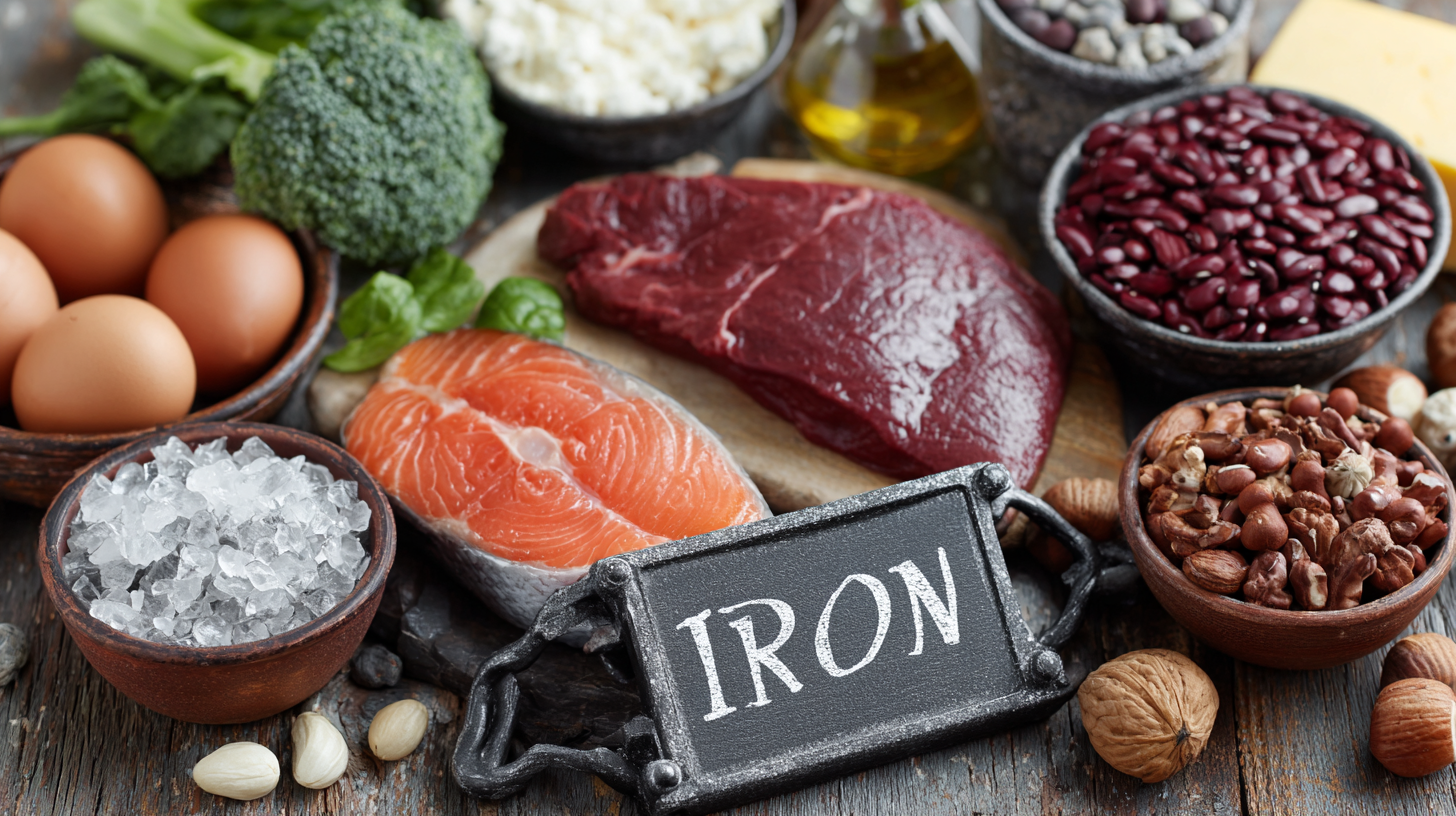
The Best High-Iron Foods for Little One's Starting Solids
Iron is one of the most important nutrients for little one's beginning their journey with solid foods. It plays a vital role in producing red blood cells, helping to carry oxygen throughout the body, and supporting growth and development. Little one's need enough iron to build strong bodies, healthy brains, and robust immune function.
While maternal milk or little one's formula provides nourishment in the early months, iron stores gradually decrease. That’s why iron rich foods become a priority once complementary feeding begins.
Why Do Little One's Need Iron?
Iron is crucial for:
- Producing red blood cells to transport oxygen.
- Supporting brain development during the critical early years.
- Maintaining a healthy immune system.
- Preventing iron deficiency anaemia, which can affect growth and development.
Little one's are born with some iron stores, but these deplete by around six months old. From that point, it’s essential to offer iron rich foods to ensure healthy growth.
Iron-Rich Complementary Foods: Imperative for All Little One's
As little one's move from a milk-only diet to a mixed diet, they require a variety of high iron foods. Complementary feeding isn’t just about learning textures – it’s about providing enough iron and other essential nutrients to support development.
Both animal products and plant-based foods can provide iron, but the type and absorption vary. Understanding the difference helps parents plan meals confidently.
Heme Iron vs Non-Heme Iron
Iron comes in two main forms:
- Heme iron – found in meat, poultry, and fish. This type is absorbed more efficiently by the body.
- Non-heme iron – found in plant-based foods like lentils, beans, and spinach. Absorption is lower, but it can be improved with vitamin C.
For little one's, introducing a mixture of both sources is recommended.
What Foods Are High in Iron for Little One's?
Some of the best foods for little one's (around the six-month age) when starting solids include:
- Red meat (beef, lamb, veal) – an excellent source of heme iron.
- Poultry (chicken, turkey) – milder flavour, suitable for first tastes.
- Fish (salmon, tuna) – also rich in protein.
- Iron fortified little one's cereal – often the first solid food for little one's.
- Lentils, beans, and chickpeas – great for plant-based foods.
- Sweet potatoes and cruciferous vegetables like broccoli.
- Nut butter (such as peanut or almond butter, smooth and unsalted). As nuts are a common food allergen, it is recommended that nut products are introduced slowly in very small incremental amounts to allow for monitoring of any adverse reactions.
- Egg yolks – a versatile option with additional nutrients. Eggs are also a common food allergen, so it is recommended that eggs are introduced slowly to allow for monitoring of any adverse reactions.
These iron rich foods provide variety and ensure little one's meet their iron needs.
How Do I Increase My Little One's Iron Levels?
To increase a little one's iron intake:
- Offer iron fortified little one's cereal as one of the first solid foods.
- Introduce small portions of red meat or ground beef pureed or minced.
- Pair non-heme iron sources like beans with citrus fruits or bell peppers to boost iron absorption.
- Continue with iron fortified little one's formula if not maternal feeding.
How Can I Make Iron-Rich Little One's Food?
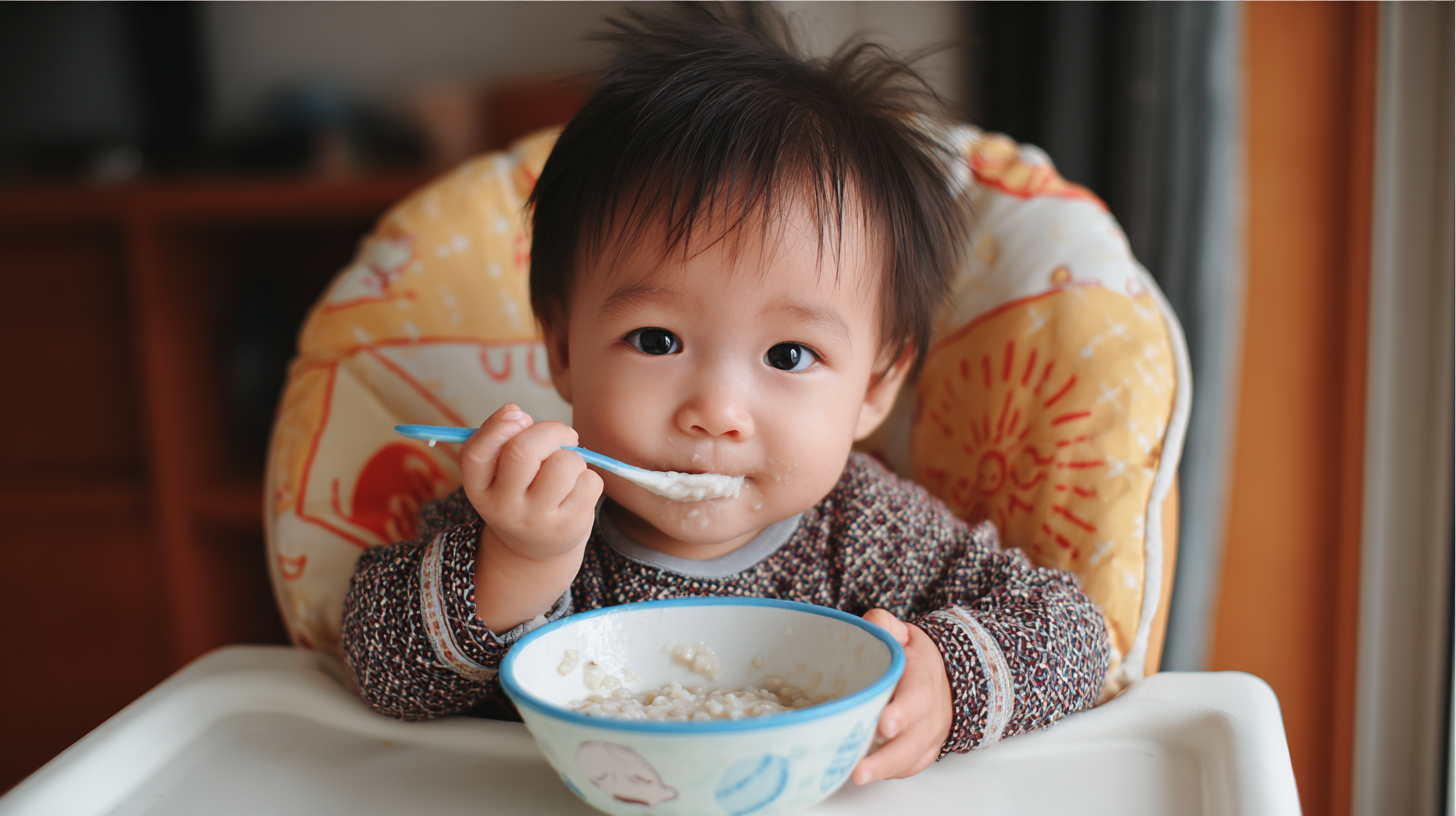
Parents can prepare simple iron rich meals at home:
- Pureed beef and sweet potato – combines heme iron with vitamin A.
- Lentil and vegetable mash – good for little one's led weaning.
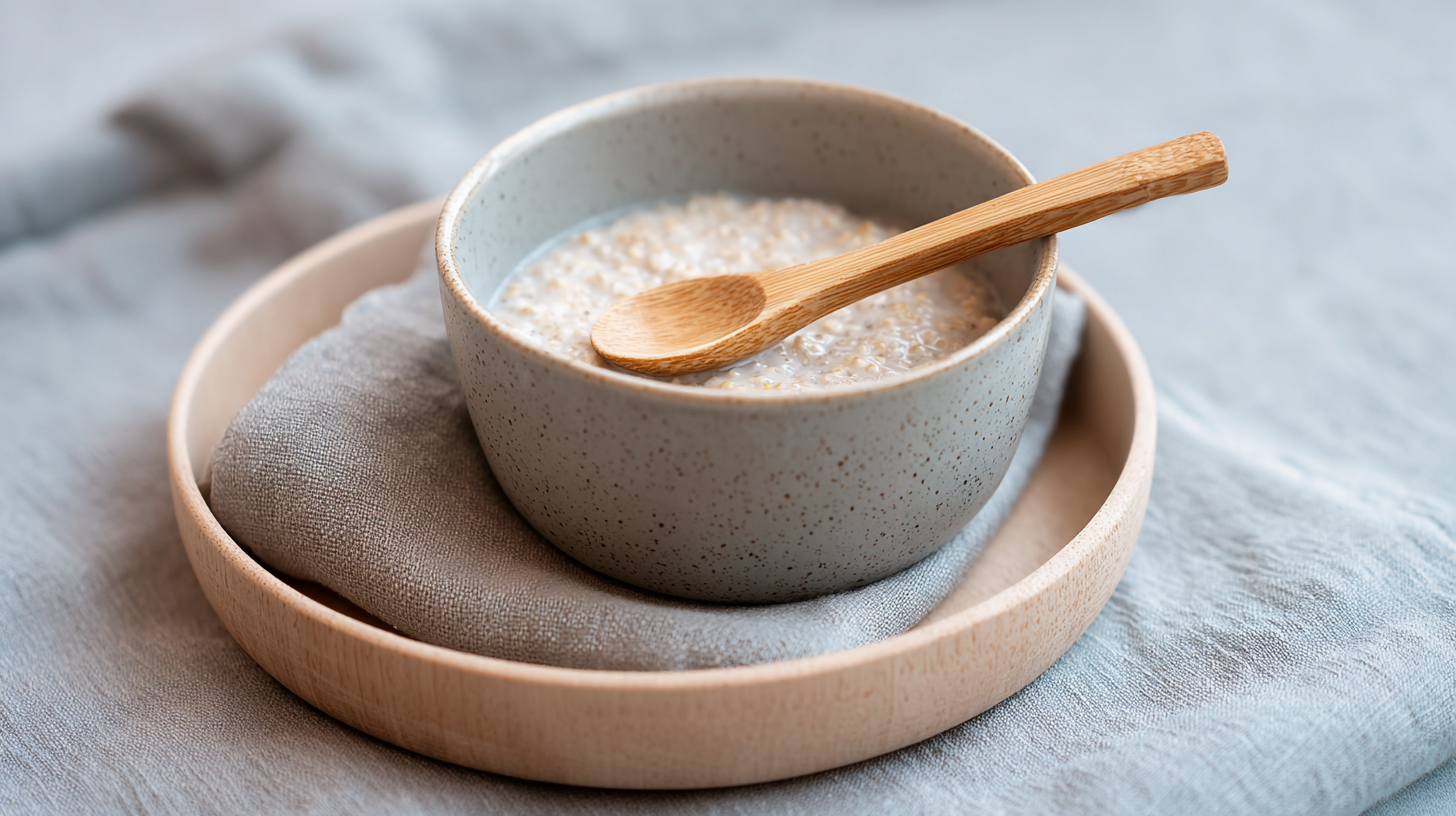
- Iron fortified rice cereal mixed with maternal milk or formula milk.
- Egg yolk blended with avocado – creamy, nutrient-dense option.
Cooking with variety helps little one's explore different flavours while supporting healthy growth and development.
Iron Fortified Foods for Little One's
Many little one's formula manufacturers and food producers create iron fortified little one's products to help meet requirements. Examples include:
- Fortified little one's cereal (such as rice cereal)
- Iron fortified little one's formula
- Iron fortified foods (like certain breads and little one's snacks)
These products must comply with regulations and are designed to provide complete nutrition when used as intended.
Iron Absorption and Food Combinations
Not all iron is absorbed equally. To improve absorption:
- Serve iron rich foods alongside vitamin C sources (e.g. citrus, tomatoes, peppers).
- Limit processed meats, which may contain additives and little nutritional value.
Balanced food combinations maximise the benefits of iron-rich meals.
Iron Supplements and Supplementation
In some cases, iron supplementation may be recommended by a healthcare professional, especially if a little one's has low iron stores or is at risk of iron deficiency. Dietary supplements should never be given without guidance, as too much iron can also cause issues.
Preventing Iron Deficiency Anaemia
Iron deficiency anaemia occurs when a little one's doesn’t receive enough iron. Symptoms may include fatigue, pale skin, or delayed growth and development. The best way to prevent it is through consistent intake of iron rich foods and iron fortified products after the age of six months old.
Iron Intake and Dietary Reference Intakes
Health guidelines provide dietary reference intakes for iron depending on age. Little one's require higher iron relative to body size compared to adults, making complementary feeding essential.
Parents can meet these needs through a combination of iron fortified little one's cereal, animal products, and plant-based foods supported by vitamin C.
The Role of Little One's Formula
For families not exclusively maternal feeding, iron fortified formula ensures adequate iron intake. Little one's formula products are strictly regulated to provide complete nutrition, including iron, for healthy growth.
Little One's Led Weaning and Iron
For parents practising little one's led weaning, it’s important to ensure little one's are offered iron rich foods that are safe to handle. Soft strips of red meat, cooked beans, or small portions of egg yolk can be introduced from six months old.
As eggs are a common food allergen, it is recommended that eggs are introduced slowly to allow for monitoring of any adverse reactions.
How Labels and Claims Work on Little One's Food
Parents often see nutrition content claims and health claims on packaging. It’s important to understand:
- Nutrition content claims (e.g. “source of iron”) are permitted if the product meets strict nutrient levels.
- Health claims (e.g. “iron supports normal brain development”) must comply with strict conditions and definitions, such as the Nutrient Profiling Scoring Criterion (NPSC).
- Therapeutic claims suggesting treatment or prevention of disease are prohibited.
Endorsements must remain independent to protect consumer trust.
The Transition Rules for “Added Sugars” Claims
Recent updates in Australia and New Zealand include transition rules for new “added sugars” claims. This ensures parents are not misled about sugar levels in fortified little one's products and that nutrition content claims remain consistent.
These rules, combined with iron standards, provide safeguards for parents choosing foods rich in iron and other nutrients.
Plant-Based Sources of Iron
Families choosing more plant-based foods can rely on:
- Lentils and beans
- Spinach and broccoli
- Sweet potatoes
- Nut butters (smooth, unsalted). As nuts are a common food allergen, it is recommended that nut products are introduced slowly in very small incremental amounts to allow for monitoring of any adverse reactions.
Pairing with vitamin C-rich produce like bell peppers or citrus fruits enhances non-heme iron absorption.
Animal Products as Iron Sources
Meat and poultry remain among the best sources of heme iron for little one's around six months old. Options like ground beef, lamb, or chicken provide iron that is easily absorbed and also contribute protein. Introducing these early supports little one's iron needs.
Key Takeaways
- Little one's need iron rich foods from six months old onwards.
- Red meat, poultry, fish, fortified little one's cereal, beans, lentils, and vegetables are excellent choices.
- Vitamin C helps improve absorption of non-heme iron.
- Parents should be aware of differences between nutrition content claims and health claims when choosing foods.
- Iron fortified little one's formula or supplementation may be needed if recommended by a healthcare professional.
- Regulatory safeguards ensure consistent labelling across Australia and New Zealand, protecting parents from misleading marketing.
Disclaimer
This article provides general information only and should not replace professional medical advice. Always consult a qualified healthcare professional before making decisions about your little one's feeding, iron intake, or use of supplements.