%201.svg)









The Importance of Calcium and Iron for Little One's
As little one's grow, every nutrient counts. Among the most essential are iron and calcium, two minerals that play a vital role in healthy development. From forming strong bones to supporting red blood cells, these nutrients ensure a little one's body builds the foundation it needs for lifelong well-being.
1. Why Iron and Calcium Matter for Little One's
During little one's and early childhood, rapid growth demands a steady supply of nutrients. Calcium and iron for little one's are especially important, as calcium supports bone and tooth formation, while iron helps transport oxygen throughout the body via red blood cells. Without adequate levels, little one's may face developmental challenges that affect energy, growth, and learning later in life.
2. Iron: The Foundation of Healthy Blood and Energy
Iron plays a key role in forming haemoglobin, the protein that carries oxygen in the blood. Little one's need enough iron to prevent iron deficiency anaemia, a common condition in young children that can cause fatigue, poor appetite, and slower growth.
Because a little one's iron stores begin to decline after about six months of age, introducing iron-rich foods or iron fortified foods becomes crucial once they start eating solids.
3. Sources of Iron in a Little One's Diet
Iron comes in two forms: heme iron (from animal products) and non-heme iron (from plant-based foods).
- Heme iron is found in meat, poultry, and fish and is absorbed more efficiently.
- Non-heme iron comes from foods like legumes, spinach, and grain products, but it absorbs less readily.
Parents can enhance iron absorption from non-heme sources by pairing them with foods rich in Vitamin C, such as sweet potatoes, citrus fruits, or cruciferous vegetables like broccoli.
4. Iron Deficiency and Its Effects
Iron deficiency occurs when dietary intake doesn’t meet the body’s needs, leading to depleted iron stores and, eventually, iron deficiency anaemia. Signs may include:
- Pale skin or lips
- Tiredness or irritability
- Slow weight gain
- Reduced immune function
Early detection and iron supplementation can prevent long-term issues. World Health Organization guidelines recommend regular monitoring of iron status, particularly for born prematurely or with low birth weight.
5. Enhancing Iron Absorption Naturally
Several dietary strategies can enhance iron absorption such as the below:
- Combine iron rich foods with Vitamin C sources.
- Avoid giving cow’s milk too early, as it may affect iron absorption.
- Offer foods containing both heme and non heme iron for balanced nutrient intake.
6. The Role of Calcium in a Little One's Growth
While iron supports the blood, calcium builds the body’s framework. This mineral strengthens bones, teeth, and muscles and supports nerve function. Adequate calcium intake is vital during the first two years of life, when bone density and skeletal growth accelerate.
7. Calcium Sources for Little One's
Little one's can obtain calcium from a range of dietary sources, including:
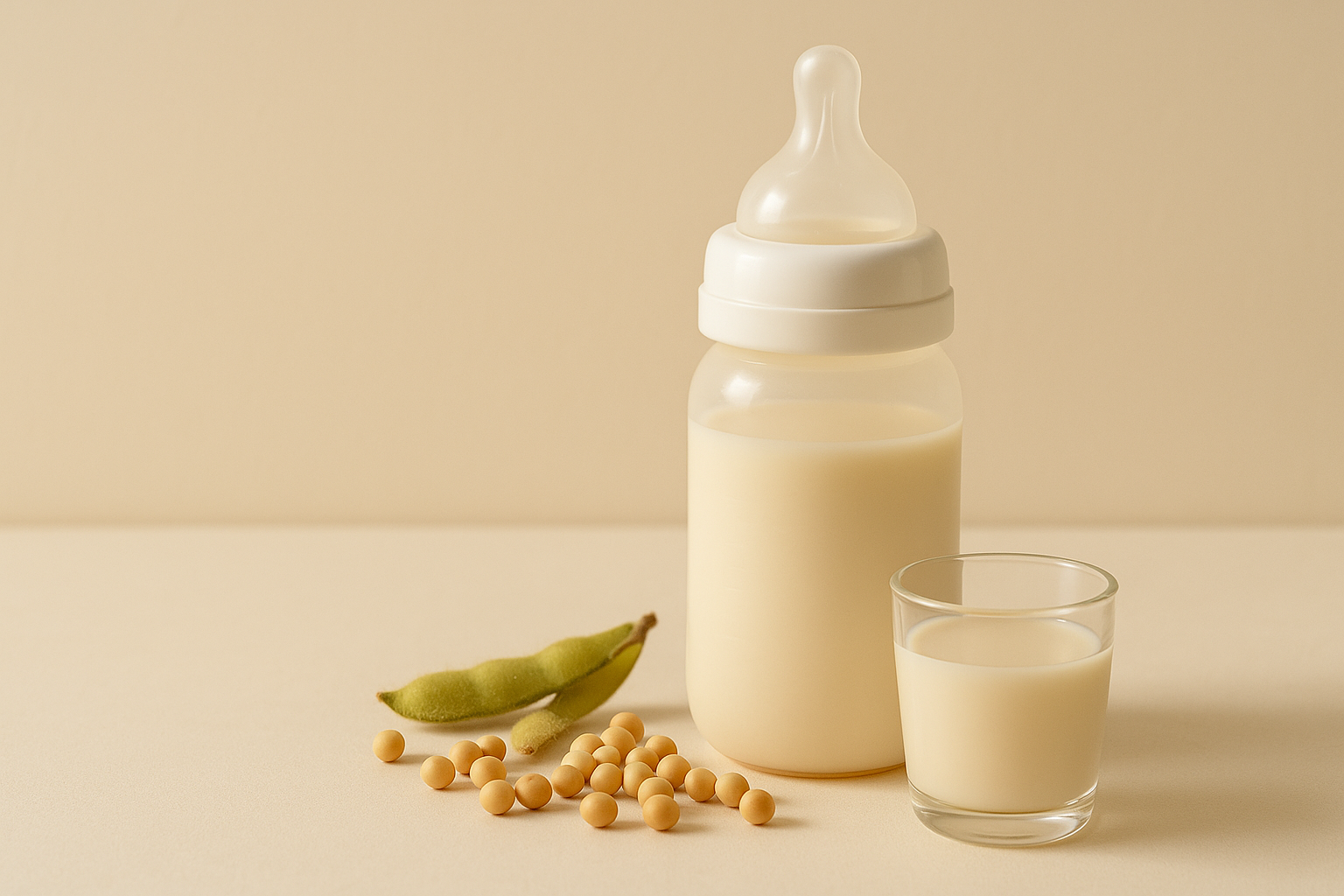
- Maternal milk or little one's formula
- Dairy products like yoghurt and cheese (from around 6–8 months old)
- Leafy greens and fortified plant-based beverages (for older toddlers)
Where dietary intake is low, calcium supplementation or calcium fortified foods may help ensure an adequate intake.
8. Calcium Absorption and Vitamin D
For the body to use calcium efficiently, it needs Vitamin D. This vitamin helps regulate calcium absorption in the intestines. Little one's often receive Vitamin D supplements, especially if they have limited sunlight exposure. Maintaining both nutrients together supports healthy bones and teeth.
9. Balancing Calcium and Iron Intake
It’s essential to understand how calcium and iron interact. High calcium levels can temporarily interfere with iron absorption, so it’s best to space out meals or supplements that are rich in either mineral. Offering calcium rich and iron rich foods at different times can support better overall absorption.
10. When Supplements are Needed
Sometimes, dietary intake alone isn’t enough. In such cases, doctors may recommend iron supplements or calcium supplements. Iron supplementation is common for at higher risk of deficiency, such as those born prematurely or with low intakes of dietary iron. Similarly, calcium supplementation can help ensure strong bone growth when dietary sources are limited.
However, parents should always follow professional healthcare advice regarding nutrient intakes to avoid adverse effects from excessive supplementation.
11. The Importance of Timing and Feeding Practices
Knowing what time to give iron drops to little one's can make a big difference. Iron supplements are usually best given on an empty stomach or with a small amount of juice rich in Vitamin C to enhance iron absorption. Meanwhile, calcium and iron together in one feed may not absorb efficiently, so separating them by a few hours is often recommended.
12. Introducing Solids and Iron Fortified Options
When transition to solids, around six months old, their iron needs increase sharply. Parents can therefore introduce the below foods to ensure their iron needs are met:
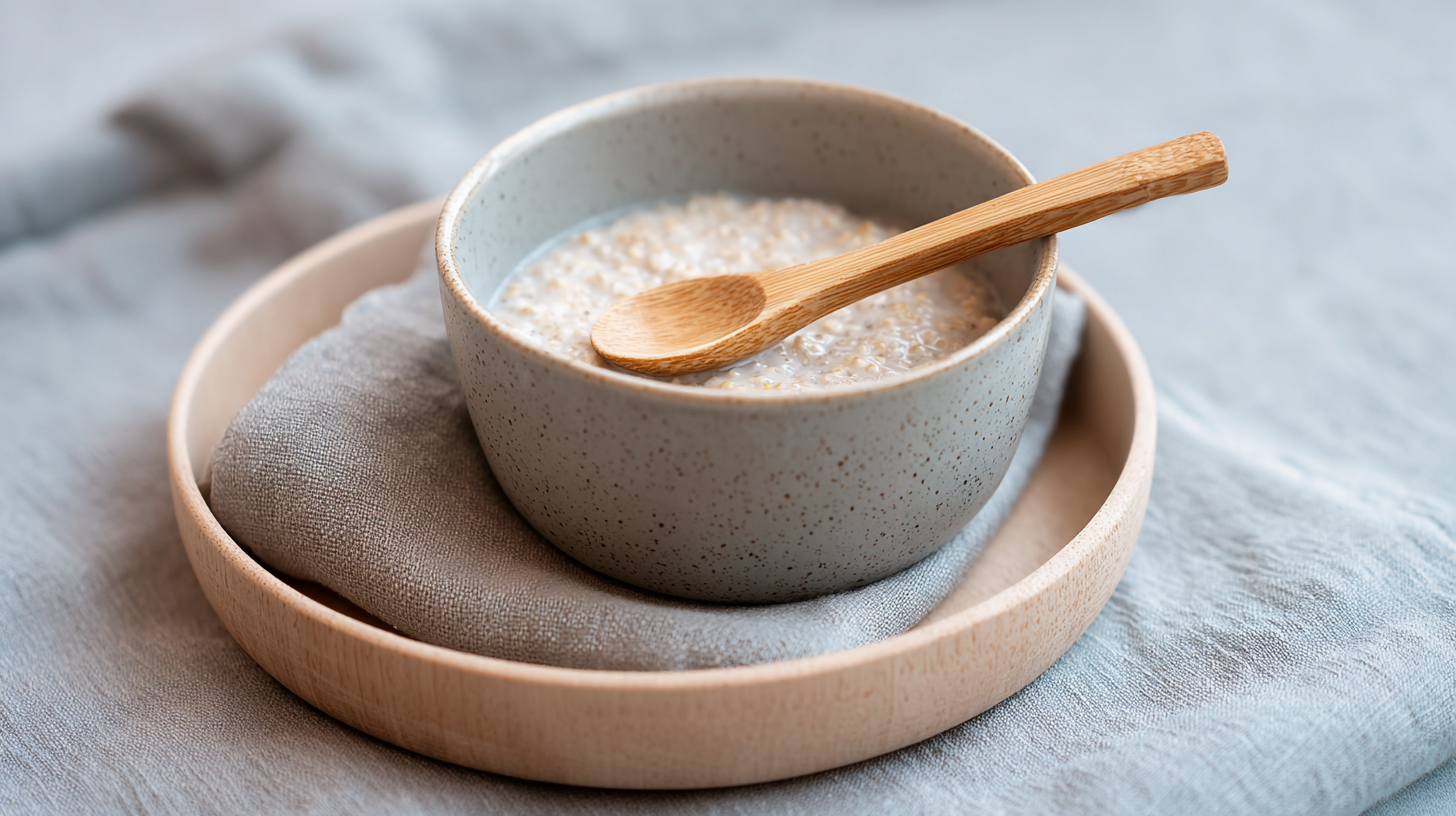
- Iron fortified cereals
- Pureed meat, fish, and poultry
- Lentils, beans, and tofu for vegetarian diets
These help replenish depleted iron stores and maintain healthy iron status throughout early childhood.
13. Nutrient Reference Values and Recommendations
The dietary reference intakes (DRIs) and recommended dietary allowance (RDA) for little one's are based on extensive research by nutrition authorities and reflect what’s needed to maintain human health. Little one's have higher nutrient requirements relative to their body size, especially for iron, calcium, and Vitamins A, D, and K.
Following dietary guidelines ensures little one's receive enough iron, calcium, and other nutrients for normal child growth and immune function.
14. Understanding Nutrition Content and Health Claims
Parents often see claims like “high in iron” or “source of calcium” on packaging. It’s important to know that these are nutrition content claims, meaning they describe the level of a nutrient in a product, not its medical effects.
By contrast, health claims link a nutrient to a specific function in the body (e.g., “iron contributes to normal energy levels”). Regulations require strict scientific evidence for such claims, and all statements must meet set conditions under the Nutrient Profiling Scoring Criterion (NPSC).
15. Protecting Consumers through Clear Food Labelling
Food standards define what qualifies as a fruit, vegetable, or grain ingredient and ensures that nutrition claims are consistent and truthful. Companies cannot make therapeutic claims, such as stating that a nutrient can cure or prevent diseases.
Independent endorsements are equally important, and health associations must operate transparently and avoid financial influence. Recent updates also introduced transition rules for new “added sugars” claims, designed to maintain accuracy and protect consumers from misleading information. These measures uphold trust in food labelling and ensure families can make informed choices.
16. Supporting Healthy Growth through Balanced Nutrition
Ultimately, a little one's health depends on a combination of nutrients, feeding practices, and care. Parents should encourage variety from iron-rich meats and legumes to calcium-rich dairy and fortified alternatives. Balanced meals, mindful timing, and adherence to dietary guidelines help thrive throughout their early childhood.
With the right approach, caregivers can ensure every child develops strong bones, healthy blood, and the energy needed to explore the world around them.
Frequently Asked Questions
Can I give calcium and iron together to my little one's ?
It’s generally better to offer calcium and iron at different times, as calcium can affect iron absorption. Speak to your healthcare provider for specific timing recommendations.
At what time should I give iron drops to my little one's ?
Iron drops are often best given between meals or with a small amount of Vitamin C rich food or drink to enhance iron absorption. Avoid giving them alongside milk or dairy products.
When should I start giving my little one's calcium?
Little one's usually receive enough calcium from maternal milk or little one's formula in the early months. As they begin eating solids, calcium-rich options such as yoghurt, cheese, or fortified alternatives can be introduced.
Is it necessary to give iron to a little one's ?
Most little one's have enough iron stores for the first six months. After that, iron fortified cereals, iron rich foods, or iron fortified little one's formula may be necessary to maintain healthy iron status.
Disclaimer
This article is for informational purposes only and should not replace professional medical advice. Always consult a qualified healthcare professional before starting or changing your little one's diet, supplements, or feeding practices.