%201.svg)








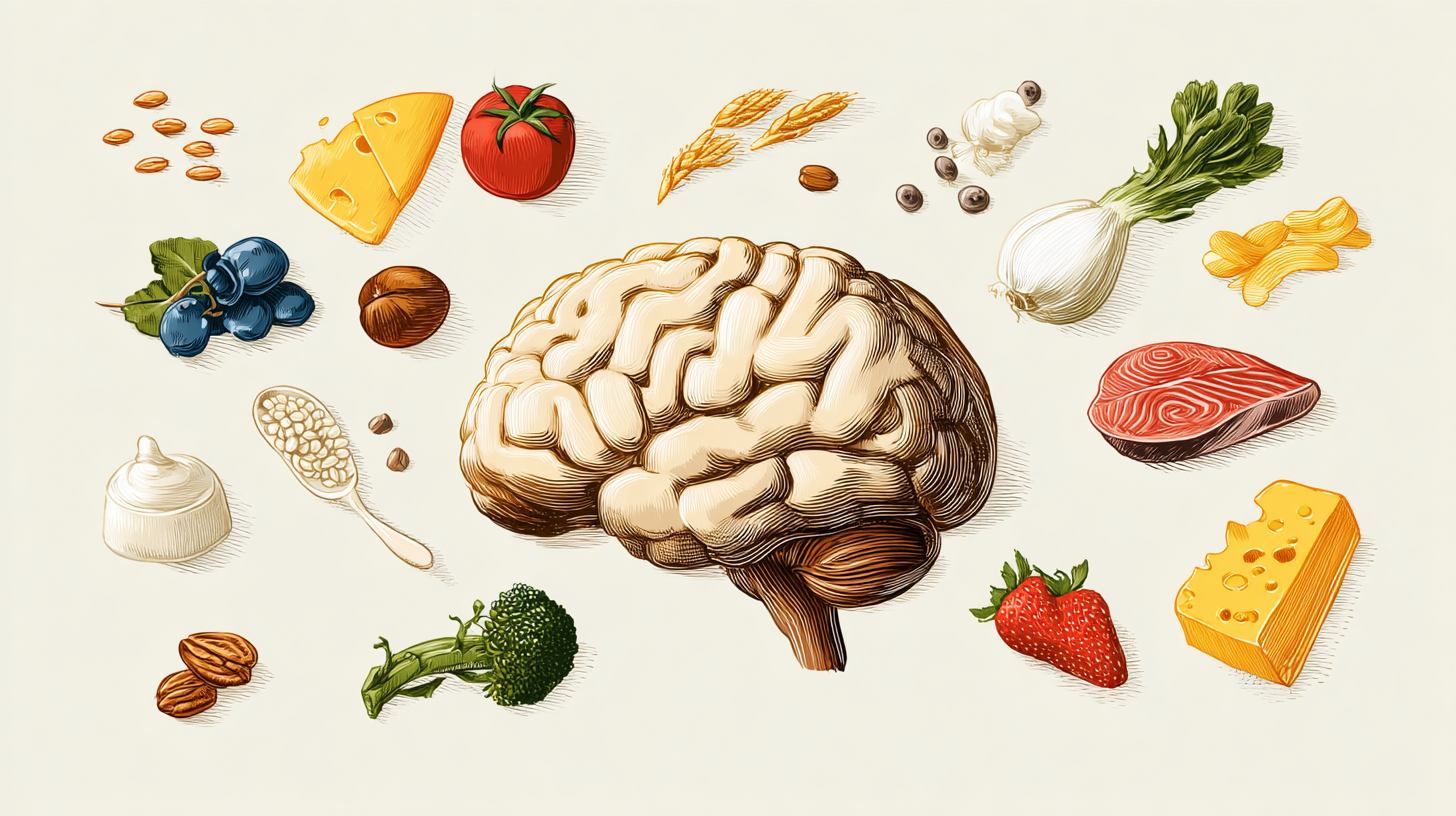
Introduction to Children Brain Development
Children brain development is a gradual and complex process that unfolds through everyday experiences, environments, and nutrition. During early childhood, the brain grows rapidly, forming pathways that support thinking, memory, and emotional responses. These changes do not happen in isolation; instead, they are influenced by what a child eats, how they interact, and the care they receive.
Nutrition plays a meaningful role in shaping brain development. The brain relies on a steady supply of nutrients to support its structure and function. When balanced nutrition is combined with positive early experiences, it contributes to a healthy brain and overall wellbeing.
Early Childhood and the Importance of Nutrition
Early childhood is often described as one of the most sensitive periods for development and growth. During the early years, children’s brains are highly responsive to environmental inputs, including nutrition.
The brain is developing at a rapid pace in the first years of life. Neural connections are formed as children explore, play, and learn. These connections are built through repeated experiences and consistent nourishment.
A child’s diet during this stage can influence how effectively these connections are formed. Nutrients support energy levels, focus, and mood, all of which are important for learning and engagement.
Parents and caregivers often focus on providing balanced meals, which may include a mix of proteins, healthy fats, vitamins, and minerals. These nutrients are important for the development and functioning of the brain.
Brain Development and Nutritional Foundations
Brain development depends on a range of nutrients that support different functions. For example, certain nutrients contribute to energy production, while others support the structure of brain cells.
The brain is made up of billions of cells that communicate through signals. These signals rely on nutrients to function efficiently. Without adequate nutrition, these processes may not operate at their full potential.
Children’s brains are built over time, and this process continues through early childhood. Nutrition provides the building blocks for these changes.
In the early years, the brain is especially active. It uses a large portion of the body’s energy, which highlights the importance of consistent and balanced meals.
A Child's Nutrition and Cognitive Growth
A child's nutrition plays a role in their ability to learn and engage with their surroundings. Food provides energy that supports attention, curiosity, and exploration.
Children who have access to a variety of foods may experience more stable energy levels throughout the day. This can help them stay engaged in activities such as play and learning.
Language and communication skills also develop alongside brain growth. Nutrition supports the processes involved in memory and understanding, which are important for language development.
Child’s experiences combined with nutrition create a supportive environment for learning. These elements work together rather than independently.
Early Experiences and Brain Connections
Early experiences and interactions influence how neural connections are formed. When children engage in play and social interaction, connections are strengthened.
Connections are built through repeated actions. For example, talking, reading, and playing can all support the development of pathways in the brain.
Nutrition supports these processes by providing the energy needed for activity and engagement. Without sufficient energy, children may feel fatigued, which can affect participation.
Child's experiences are therefore closely linked with nutrition. Together, they contribute to the foundation for learning and growth.
Development and Emotional Wellbeing
Development and emotional wellbeing are closely connected. The brain is involved in regulating mood, behaviour, and responses to situations.
Nutrition can influence how children feel throughout the day. Balanced meals may support more stable energy levels, which can contribute to a calmer and more focused state.
Children and their environments also play a role. Positive interactions with caregivers can support emotional development and resilience.
Care and attention from parents and caregivers provide a sense of security. This environment supports both brain development and emotional wellbeing.
Experiences and Learning Abilities
Experiences and learning opportunities help shape how children understand the world. Play and exploration are key components of this process.
Opportunities to learn are important for children’s development. Activities such as storytelling, drawing, and problem-solving encourage brain activity.
The brain is constantly adapting based on experiences. These changes are supported by nutrition, which provides the necessary energy for active participation.
Children’s brains develop through a combination of learning and nourishment. Both elements are essential for long term growth.
Health in Relation to Brain Function
Health and nutrition are closely linked to brain function. A healthy brain supports thinking, memory, and attention.
Children require a range of nutrients to maintain their energy levels and overall wellbeing. These nutrients contribute to daily functioning rather than specific outcomes.
Current research suggests that consistent nutrition patterns may support general wellbeing, including mood and focus.
A healthy brain is supported by a balanced lifestyle that includes nutrition, rest, and activity.
How Neural Connections are Built
Neural connections are built through repeated experiences and interactions. These connections are the pathways that allow the brain to process information.
Connections are formed when children engage in activities such as play and communication. These experiences help strengthen the pathways over time.
Nutrition supports the energy needed for these activities. Without adequate energy, children may be less active, which can influence how connections are built.
The foundation for learning is therefore linked to both experiences and nutrition.
Connections are Strengthened Over Time
Connections are strengthened through repetition and consistency. When children practise skills, the brain adapts and reinforces these pathways.
This process is part of children’s development and continues throughout early childhood.
Children and caregivers can support this process through regular routines, interaction, and engagement.
Nutrition plays a supportive role by ensuring children have the energy to participate in these activities.
Development of Learning and Memory
Development of learning and memory is influenced by both environment and nutrition. The brain processes information through networks that are shaped over time.
Children’s development involves building these networks through experiences and repetition.
Memory and attention are supported by consistent energy levels. Nutrition contributes to maintaining these levels throughout the day.
Children who feel energised may find it easier to engage in learning activities.
Children's Development and Daily Habits
Children's development is shaped by daily habits, including eating patterns, sleep, and activity levels.
Consistent routines provide structure and support stability. These routines can influence mood, behaviour, and engagement.
Parents and caregivers often play a central role in establishing these habits.
Access to balanced meals and regular activities can support children’s development in a gradual and steady way.
The Role of Environment and Care
The environment in which children grow has a strong influence on their development.
Care and attention from caregivers provide a supportive setting for learning and growth.
Children who experience positive interactions may feel more confident exploring their surroundings.
Nutrition complements this environment by supporting energy and overall wellbeing.
Long Term Perspective on Brain Growth
Brain development continues over many years, with early childhood forming the foundation for later stages.
The early years are important for establishing patterns that influence long term wellbeing.
Child experiences and nutrition both contribute to this process.
A balanced approach that includes healthy eating, play, and interaction can support ongoing development.
Practical ways to Support a Healthy Brain
There are several ways to support a healthy brain in children through daily habits such as:
- Providing a variety of foods to ensure a range of nutrients are included in the diet.
- Encouraging play and social interaction to support learning and engagement.
- Creating a positive environment with consistent routines to contribute to wellbeing.
All these approaches focus on overall balance rather than specific outcomes.
Children brain development is influenced by a combination of nutrition, experiences, and environment. During early childhood, the brain undergoes significant changes that are shaped by daily interactions and nourishment.
A child’s growth is supported when nutrition and experiences work together. While nutrition provides the energy and building blocks, experiences strengthen connections and support learning.
By focusing on balanced nutrition, positive interactions, and consistent routines, parents and caregivers can contribute to the foundation for healthy development and wellbeing.
Disclaimer
This article is intended for educational and informational purposes only. It does not replace personalised advice from a qualified healthcare professional. For specific concerns related to nutrition or development, seeking guidance from an appropriate expert is recommended.