%201.svg)









Children Milk Options and Everyday Decisions
Children milk options play an important role in shaping daily nutrition during early childhood. As children grow, parents and caregivers often explore different types of milk to understand what suits their child’s needs, preferences, and routine.
Milk is commonly included as part of a balanced diet because it can be a source of energy and nutrients. However, not all children respond to milk in the same way, and choices may vary depending on dietary patterns and individual needs.
Understanding children milk options allows families to make informed decisions. These decisions often consider taste, digestion, availability, and how milk fits into a child’s overall eating habits.
The Early Years and Milk Choices
The early years of life are a period of rapid growth and development. During this stage, nutrition supports energy levels, mood, and general wellbeing.
Milk is often introduced gradually into a child’s diet as part of a wider range of foods. Around 12 months of age, milk may become part of regular meals and snacks.
During the first stage after early life feeding, children begin transitioning to other sources of nutrition. This transition includes evaluating different milk and food options.
The first approach is usually guided by routine and observation of how your child responds to different foods and drinks.
Maternal Milk and Maternal Nutrition Source
Maternal milk is considered a primary nutrition source in the early life stage. After this period, families often explore how to transition to other types of milk.
Maternal nutrition supports early growth, but as children grow older, other sources of nutrition become part of their daily intake.
Milk feeding from the mother gradually shifts towards other milk options and solid foods. This transition is often influenced by a child’s appetite and readiness.
It is important to recognise that each child may adapt differently during this stage.
Cow's Milk and its Role in Diets
Cow's milk is widely used in many households as part of children’s diets. It is often included as a source of protein and energy.
Cow's milk and meals are commonly paired together, making it a regular part of daily routines. Many parents choose cow's milk because it is familiar and easily available.
Cow's milk protein contributes to the overall nutrient intake. However, some children may experience sensitivity to cow's milk protein, which may influence choices.
Cow's milk or other milk types may be considered depending on how your child responds.
Goat Milk and Alternative Dairy Options
Goat milk is another option that some families include as part of children milk options.
Goat milk and meals can be included as part of a balanced diet. Some parents explore goat milk as a variation in taste and texture.
Goat milk can be part of a child’s routine if it fits their dietary pattern. As with any milk, it is considered alongside other foods.
Milk and variety are often key considerations when planning meals for young children.
Cow's Milk and Goat Milk in Comparison
Cow's milk and goat milk are both dairy-based options. Each type of milk has its own characteristics in taste and composition.
Cow's milk and goat milk can both be included as part of a balanced diet. However, families may choose one over the other based on preference or tolerance.
Milk alternatives may be explored if your child shows signs of discomfort.
Understanding how your child reacts to cow's milk and goat milk helps guide decisions.
Milk Alternatives Such as Plant Based Options
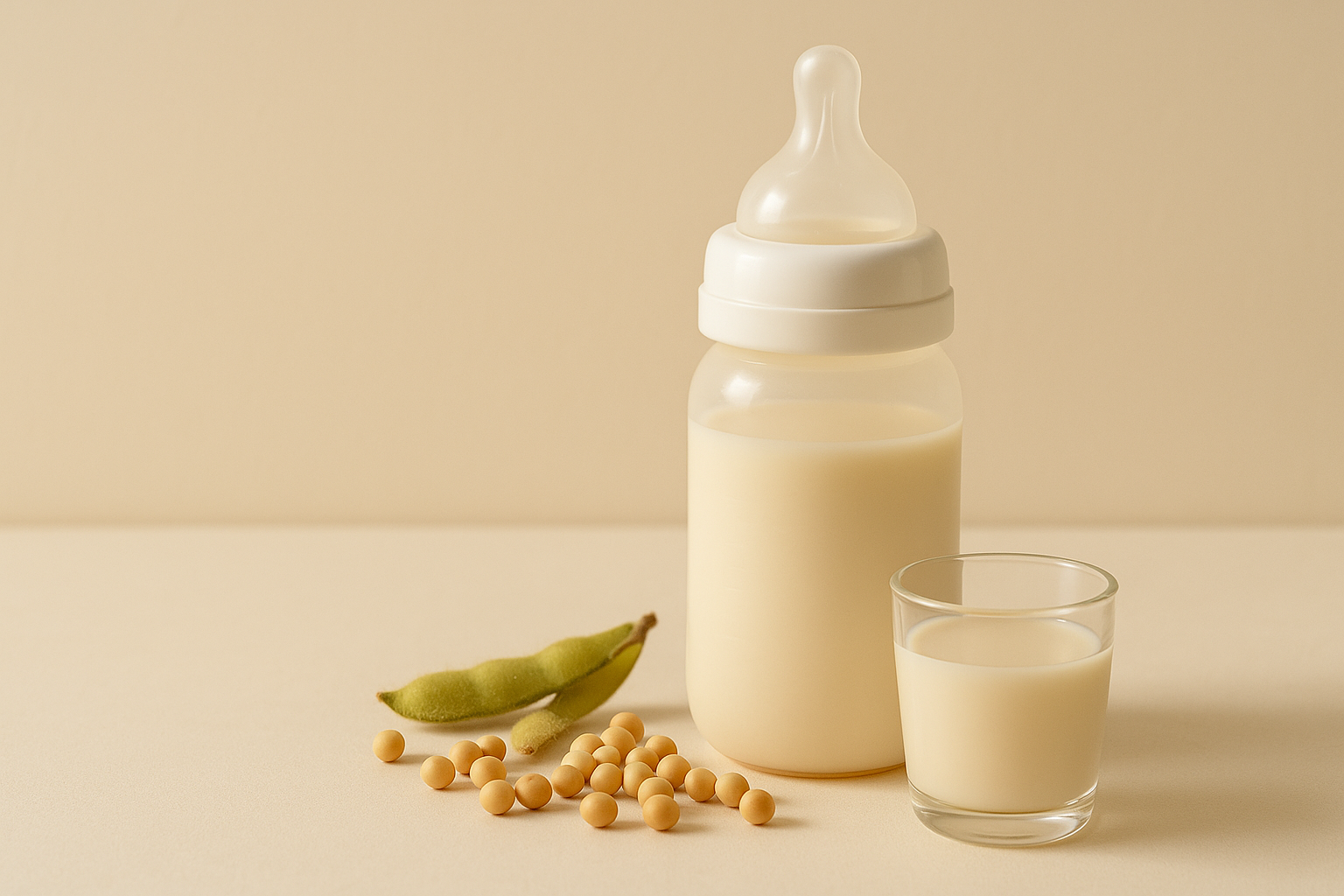
Milk alternatives are often considered when dairy is not preferred or suitable. These options include plant based drinks such as soy milk and oat milk.
Milk alternatives such as soy milk are made from plant sources. Oat milk is another option made from grains.
Plant based milk can be included as part of a varied diet when it is fortified with nutrients such as vitamin D.
Milk alternatives may be used as part of a balanced routine, depending on dietary needs.
Oat Milk and Soy Milk in Daily Use
Oat milk and soy milk are among the commonly discussed milk alternatives. These drinks are often used in cooking, beverages, and meals.
Soy milk is known for its protein content, while oat milk is often chosen for its mild taste.
Milk or plant based drinks can be used as part of meals. However, it is important to consider how they fit into a child’s overall diet.
If your child is consuming plant based milk, ensuring a variety of foods can help support general nutrition.
Vitamin D and Overall Wellbeing
Vitamin D and calcium are often discussed in relation to milk. These nutrients contribute to general wellbeing and daily function.
Milk is sometimes fortified with vitamin D, depending on the type. This can support overall nutritional intake.
The amount of vitamin D a child receives may vary based on diet and lifestyle. Including a variety of foods can help support balance.
Vitamin D and other nutrients work together to support general health and development.
Vitamin D in Milk Choices
Vitamin D in milk choices is an important consideration for some families. Different types of milk may contain varying levels of nutrients.
Milk as part of a balanced diet may contribute to nutrient intake, but it is often combined with other foods.
Ensuring access to a range of foods helps support overall wellbeing.
Milk and other dietary elements work together to form a complete eating pattern.
12 Months and Introducing Milk
At around 12 months of age, children may begin to include cow's milk or other milk options in their diet.
When introducing milk, it is often done gradually. This allows parents to observe how their child responds.
Cow's milk or goat milk may be used depending on preference. Milk alternatives may also be considered if needed.
The amount of milk offered can vary based on appetite and daily meals.
Milk in Balanced Diets
Milk is often included as part of a balanced diet. It is usually consumed alongside meals and snacks.
Milk and other foods contribute to energy levels throughout the day. This can influence mood and activity.
A balanced approach includes a variety of food groups. Milk is one element within this broader pattern.
Children and their routines benefit from consistency and variety.
Source of Nutrients in Milk
Milk is a source of nutrients such as protein and calcium. These nutrients are part of overall dietary intake.
Protein and energy support daily activities and growth. Milk can contribute to these needs as part of meals.
Including different food sources helps create a balanced approach.
The Introduction of Different Milk Types
To introduce different milk types, parents often start with small amounts. This helps children adjust to new tastes.
If your child is hesitant, gradual exposure can support acceptance. Mixing milk with familiar foods may also help.
Milk can be introduced to your child as part of a routine that includes other foods.
Children’s preferences may change over time, and flexibility can be helpful.
Cow's Milk Protein Allergy and Sensitivities
Cow's milk protein allergy is one reason some families explore milk alternatives. This condition involves sensitivity to cow's milk protein.
Milk allergy may influence dietary choices. In such cases, milk alternatives such as soy milk or oat milk may be considered.
Allergy or intolerance can vary between children. Observing how your child responds is important.
Milk alternatives can be used as part of a balanced diet when needed.
Milk Allergy and Digestion Considerations
Milk allergy and sensitivity are factors that may affect digestion and comfort. Some children may experience discomfort with certain types of milk.
If your child shows signs of sensitivity, it may be helpful to consider other milk options.
Milk alternatives may provide additional options for families exploring different choices.
Choosing Milk for Your Child
Choosing milk for your child involves considering taste, tolerance, and nutritional balance.
Milk can be provided alongside meals, snacks, or as a beverage throughout the day as part of your child's daily routine.
Parents and caregivers can adjust choices based on observation and routine.
Full Fat Milk and Dietary Balance
Full fat milk is often included in diets for young children as part of balanced nutrition.
The amount of milk offered may vary depending on meals and appetite.
Milk as part of a varied diet supports overall intake without focusing on a single source.
Full fat options are commonly considered during early childhood.
Plant Based Milk and Flexibility
Plant based milk options provide flexibility for families exploring different diets.
These drinks are made from ingredients such as oats or soy.
Plant based milk can be included as part of meals when balanced with other foods.
Milk alternatives are often chosen based on preference and dietary patterns.
Practical Tips for Daily Routines
Incorporating milk into daily routines can be simple and flexible.
You can include milk with breakfast, snacks, or evening meals.
Offering a variety of foods alongside milk helps support balanced nutrition.
Children and routines benefit from consistency, but flexibility is also important.
Understanding Individual Needs
Each child is unique, and milk choices may vary accordingly.
If your child is sensitive to certain types of milk, exploring alternatives can be helpful.
Milk or alternatives should fit within the overall diet rather than replace other foods.
Understanding your child’s needs supports better decision-making.
Balancing Milk and Other Foods
Milk and other foods work together to support energy and wellbeing.
A varied diet includes fruits, vegetables, grains, and protein sources alongside milk.
Milk in moderation can complement other dietary elements.
Children’s development benefits from balance rather than reliance on one food group.
Long Term Perspective on Milk Choices
Milk choices during early childhood can influence long term habits.
Introducing a variety of options helps children become familiar with different tastes.
Milk and dietary patterns evolve over time as children grow.
A balanced approach supports adaptability and overall wellbeing.
Milk choices matter in early childhood because they contribute to daily nutrition, energy levels, and general wellbeing. From cow's milk and goat milk to plant-based milk alternatives, families have a range of options to consider.
Each child responds differently, and there is no single approach that suits everyone. By observing preferences, introducing variety, and maintaining balance, parents and caregivers can support healthy routines.
Milk is one part of a broader dietary pattern that includes a range of foods. A thoughtful and flexible approach can help support children’s development and everyday wellbeing.
Disclaimer
This article is provided for educational and informational purposes only. The content is not intended to replace personalised professional advice. Parents and caregivers should consult with a qualified healthcare professional or nutrition specialist for guidance regarding dietary choices and nutritional needs for their child.