%201.svg)







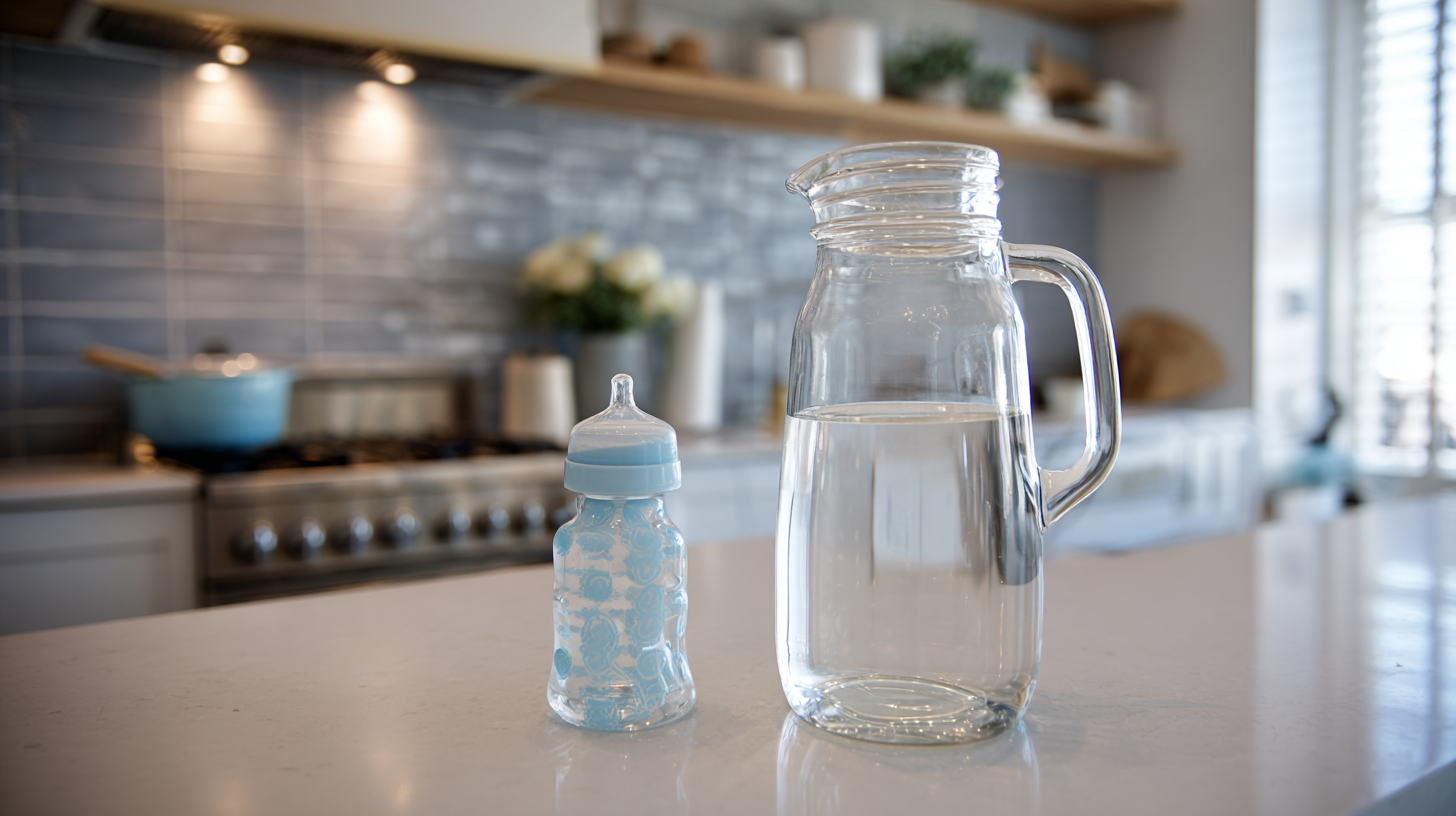
As a parent, you want the best for your little one's, especially when it comes to nutrition and hydration. One of the most common questions is: when can little one's drink water? The answer isn’t as straightforward as it might seem. While water is essential for children’s health and healthy growth, the timing of when to introduce it makes all the difference.
This article explores safe water introduction for little one's, how much is appropriate at different ages, and why maternal milk or formula should remain the main drink during the early months.
When Should We Introduce Water to a Little One's?
Little One's under six months of age should not be given water as a drink. Their tiny stomachs fill quickly, and offering water may displace essential nutrients found in maternal milk or little one's formula. Both maternal milk and little one's formula would provide all the water need to stay adequately hydrated, even in hot weather.
Once a little one's has started eating solid foods, usually at around six months of age, small amounts of water may be introduced in a sippy cup or bottle depending on what the little one's is used to drinking from. At this stage, introducing water into a little one's diet enables them to start developing the skill of drinking from a sippy cup as opposed to a bottle and helps to get used to different tastes and textures while still relying on maternal milk or milk formula as the main drink.
How Much Water Can a Six-Month-Old Have?
At six months old, a little one's can have small sips of water alongside solid foods. Generally speaking, this means:
- A few small sips with meals or snacks.
- Not replacing maternal milk or formula feeds.
- Gradually increasing water intake as the little one's grows and eats more solids.
Too much water can lead to water intoxication, which dilutes the body’s balance of sodium. This is why moderation is key. Wet diapers and alert behaviour are good signs that a little one's is adequately hydrated.
Can I Give My Two-Month-Old Water for Dehydration?
No. little one's who are younger than six months old should not be given water, even during hot weather or illness. For a two-month-old, hydration must come from only maternal milk or little one's formula. If there are signs of dehydration such as fewer wet diapers or unusual lethargy, parents should speak with their child’s healthcare provider rather than offering water.
Can I Give a Three-Month-Old Boiled Water?
Again, no. little one's under six months old do not need water, whether boiled or otherwise. Providing boiled water at three months old can reduce the intake of vital calories and nutrients from milk, affecting healthy growth and development.
For formula fed lttle one's, safe preparation involves using boiled water to make formula powder, but the little one's should consume the prepared formula milk, not plain water.
Water for Little One's and Toddlers
The role of water changes as little one's grow:
- 0–6 months: Maternal milk or formula provides hydration. No additional water is needed.
- 6–12 months: Introduce small sips of water alongside solid foods, but maternal milk or formula remains the main drink.
- 12 months of age and beyond: Little one's can drink more water freely, learning to use sippy cups, straw cups, or an open cup. At this stage, water becomes the primary drink, with cow’s milk and a balanced diet making up the rest of the child’s nutrition.
How and When to Offer Water to Little One's and Toddlers
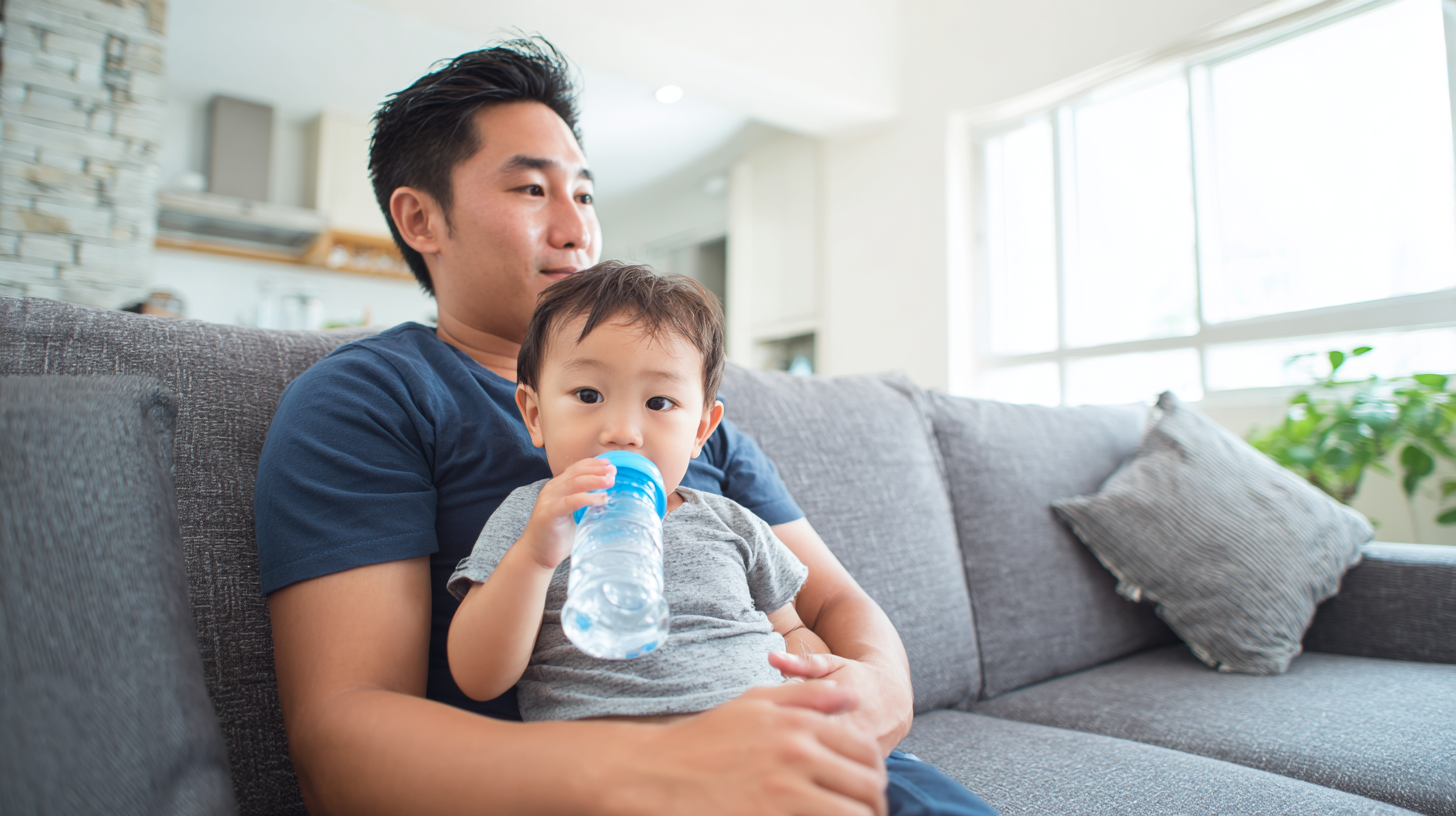
Parents can offer cooled boiled water in a sippy cup or open cup. Using a cup encourages independence and supports cup drinking skills.
Small amounts during snack times or meals are enough. By 12 months of age, children should be confidently drinking water with meals and throughout the day.
What About Tap Water and Bottled Water?
For under 12 months old, tap water should be boiled and cooled before use. This reduces the risk of bacteria and ensures safety when preparing formula powder or offering little one's water.
Bottled water is not ideal for little one's, as it may contain high levels of sodium or minerals unsuitable for young children. Parents should check labels carefully and consult a healthcare professional if unsure.
Cooled Boiled Water for Little One's
When introducing water, cooled boiled water is the safest option. Parents can prepare it by boiling tap water, letting it cool, and offering it in small amounts.
This method is particularly useful when offering water to little one's learning to eat little one's rice or other solid foods.
Why Not Other Drinks?
Parents sometimes ask about fruit juice, flavoured milk, or even soft drinks for little one's. Health experts strongly advise against these before the age of one. Here’s why:
- Fruit juice contains added sugar and acids that can damage tooth enamel and lead to tooth decay.
- Flavoured milk and sweetened drinks provide extra calories without essential nutrients.
- Fizzy drinks, soft drinks, or beverages with artificial sweeteners are not appropriate for little one's or toddlers.
The World Health Organization and other public health authorities recommend sticking to maternal milk, formula milk, cow’s milk (after 12 months old), and water as the main drinks for little one's and toddlers.
Developing Cup Drinking Skills
Encouraging to use a straw cup, sippy cup, or open cup helps build coordination and independence. Offering water in these formats from around six months old allows children to develop lifelong healthy drinking habits.
By 12 months of age, most children should be transitioning away from bottles and learning to drink confidently from a cup.
Signs Your Little One's Is Getting Enough Water
Hydration comes mostly from milk in the first year, but once water is introduced, signs of adequate intake include:
- Regular wet diapers
- Alert and active behaviour
- Good appetite and steady growth
If you’re concerned about water intake or hydration, consult a healthcare provider for reassurance and guidance.
Water Intoxication in Little One's
It may seem surprising, but little one's can experience water intoxication if given too much water. This dilutes sodium levels in the body and may lead to health complications. That’s why guidelines emphasise small sips only for little one's from the age of around six months old.
Why Labels and Claims Matter
Parents choosing water or little one's formula products may notice claims on labels. It’s important to understand:
- Nutrition content claims describe levels of nutrients (e.g. “source of vitamin D”).
- Health claims suggest a relationship between a nutrient and health (e.g. “supports healthy growth”).
There are strict conditions and definitions, such as those outlined in the Nutrient Profiling Scoring Criterion (NPSC). Manufacturers must not make misleading statements, especially around children’s products.
Therapeutic claims (such as curing illness) are prohibited. Endorsements must remain independent to maintain trust.
The transition rules for new “added sugars” claims also protect families by ensuring clear, consistent labelling across Australia and New Zealand. This way, parents can make informed decisions without being influenced by misleading marketing.
Key Takeaways
- Little one's under six months old should not drink water.
- From six months of age, only offer small amounts of cooled boiled water with solid foods.
- Maternal milk or formula remains the main drink until the little one's turns one.
- At 12 months of age, water becomes the primary drink, along with cow’s milk and a balanced diet.
- Avoid fruit juice, flavoured milk, and sweetened drinks for little one's and toddlers.
- Check labels carefully, as strict rules regulate nutrition content claims and health claims.
Disclaimer
This article is for general information only and does not replace medical advice. Parents should always consult a qualified health professional or their child’s healthcare provider regarding hydration, feeding, and the introduction of water.