%201.svg)







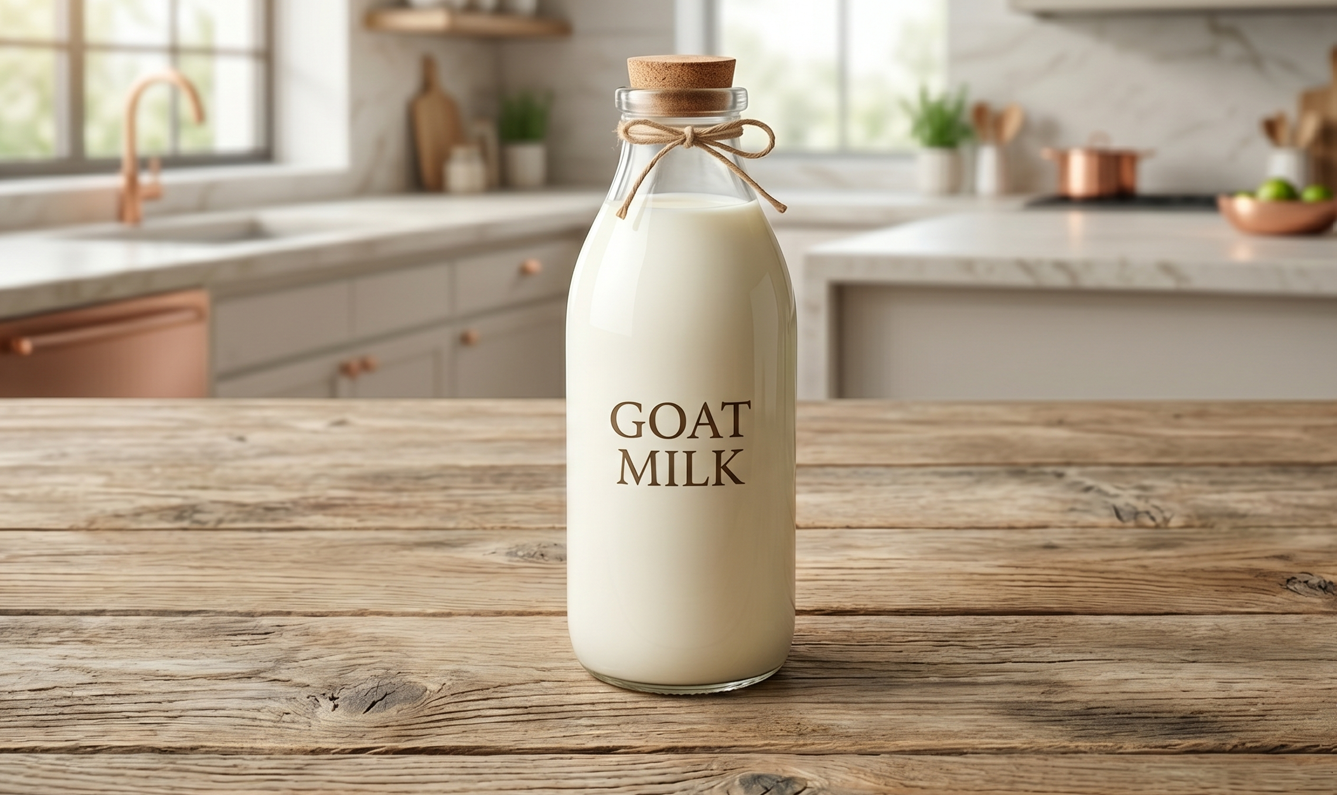
Understanding Goat Milk
Today's consumers are increasingly turning to goat’s milk for its exceptional nutritional profile, ease of digestion, and versatility in a health-focused lifestyle. Though consumed globally for thousands of years, goat’s milk has seen a massive surge in modern popularity. To meet this demand, the market now offers a diverse range of nutrient-packed products ranging from fresh and whole milk powders to premium yogurts and formulas, making it simpler than ever to integrate this wholesome dairy option into your wellness routine.
Where Is Goat Milk Produced?
Premium goat’s milk is sourced from specialized farms where herd health and welfare are the top priorities, and the milk's overall quality and nutritional profile are directly determined by:
- Dietary Standards: Precision feeding and high-quality forage.
- Environmental Factors: Clean, stress-free pasturage and optimal living conditions.
- Farming Techniques: Advanced agricultural methods and strict hygiene protocols.
Produced by independent farms and collaborative agricultural networks alike, goat’s milk has evolved into a major pillar of the international dairy industry, backed by top-producing nations globally.
Goat Milk Composition and Natural Nutrients
A distinctive feature of goat milk is its composition which includes the presence of numerous nutrients, fats, vitamins, carbohydrates, and minerals. This comprehensive nutrient profile offers an excellent way for health-conscious consumers to diversify their diets and elevate their daily nutrition.
Some essential nutrients naturally found in goat milk include:
- Calcium
- Potassium
- Phosphorus
- Magnesium
- Vitamin A
- Vitamin C
- Various B-complex vitamins
- Protein
Fatty Acids in Goat Milk
Goat milk is known to have a high concentration of different fatty acids, including both short and medium chain fatty acids.
The importance of these components is associated with the specific mechanism of fat metabolism that helps enhance the digestion process. The unique fat component also gives goat milk its distinctive taste.
Protein Structure in Goat Milk
Goat milk is characterized by its lower levels of α-S1 casein protein in comparison to cow milk. For this reason, softer curds are formed during the digestion process which can make it easier to digest for some individuals. Goat milk also provides numerous essential amino acids and whey protein.
Goat Milk and the Gut Microbiome
As consumers increasingly prioritize digestive health, the gut microbiome has become a focal point of modern health conversations. Within the unique nutritional makeup of goat’s milk, scientists have highlighted an abundance of natural prebiotics, specifically milk oligosaccharides.
These functional compounds act as a vital food source, selectively stimulating the growth of beneficial gut microbes to support systemic health and immunity. Clinical studies have also consistently demonstrated that goat’s milk contains significantly higher concentrations of these protective oligosaccharides than conventional cow's milk.
Goat Milk and Healthy Digestion
Thanks to its unique structural and nutritional makeup, goat’s milk is frequently consumed by individuals seeking relief from digestive discomfort. Its specific protein and fat composition requires minimal enzymatic effort to break down, facilitating a gentler digestive process.
Comparing Goat Milk and Cow Milk
Protein Composition
As stated above, the composition of proteins is completely different. Goat milk contains a lower level of α-S1 casein protein in comparison to cow milk.
Amount of Oligosaccharides
Goat milk has naturally higher oligosaccharide concentrations compared to cow milk.
Easy Digestibility
Goat milk forms a softer curd in the stomach and is considered easier to digest compared to cow milk.
General Wellbeing and Goat Milk
Goat’s milk features a well-rounded nutritional profile that can contribute to one's general wellbeing. Its natural balance of essential macronutrients including proteins and fats alongside vital vitamins and minerals, makes it an excellent choice for supporting daily wellness.
Goat Milk Formula and Early Life Nutrition
Early life nutrition plays a foundational role in long-term development, making formula a critical topic for modern parents. Goat’s milk formula has emerged as a compelling option due to its unique structural properties. Its protein profile and distinct lipid architecture share functional similarities with both human milk and standard cow’s milk formulas. However, it is essential to emphasize that maternal milk remains the gold standard of child nutrition, and maternal feeding should be prioritized as the primary source of nourishment during the first months of life.
Goat Formula and Cow Formula Comparison
Parents frequently evaluate and compare different formula options to find the best fit for their child's developing digestive system. While many families prefer goat’s milk formula for its distinct, easy-to-digest composition, medical safety must come first. Notably, because cross-reactivity exists, goat’s milk formula is not a safe alternative for children with a confirmed cow’s milk protein allergy (CMPA). Consequently, parents should always consult a pediatrician or healthcare professional before introducing goat’s milk formula or making any significant dietary changes for their little one.
Goat Milk Consumption and Formulas
Today, you can buy goat milk brand in several formats:
Goat Milk
This type of milk contains all nutrients that are found in goat milk naturally.
Goat Milk Powder
Powdered goat milk is obtained after evaporating liquids from regular goat milk. Goat milk powder is very convenient to use in various dishes.
Goat Milk and Other Common Foods
Apart from being consumed as a milk beverage, goat milk is widely used in different products like cheese, yogurt, and smoothies.
An example of the widespread use of goat milk is the production of goat milk powder.
How Does Goat Milk Fit into a Child's Diet?
The weaning process and the transition away from maternal milk often bring new dietary questions for parents. As families begin introducing dairy alternatives, goat’s milk frequently emerges as a preferred option to help fill nutritional gaps. However, when selecting foods and beverages for growing toddlers, it is essential to consider a range of factors including developmental age, specific nutritional requirements, and individual dietary sensitivities. Above all, parents should consult their family physician or pediatrician to ensure any new dietary staple aligns perfectly with their child’s unique health profile.
Benefits Associated with Goat Milk
Some of the benefits associated with goat milk include:
- Calcium content
- Protein levels
- Amino acid composition
- Different fatty acids
- Presence of various vitamins and minerals
- Nutritional value
Although there are numerous similarities between goat milk and cow milk, many consumers prefer one over the other due to certain advantages.
Choosing the Best Goat Milk Product
Finding the right goat’s milk formula product for your household comes down to what fits your family's unique taste and daily routine. Here are a few important things to keep in mind to help you make the best choice:
- Desired flavour
- Nutrient composition
- Format (liquid or powder)
- Availability of organic milk products
- Family needs
- Dietary considerations
Preferences for goat milk is often split between the freshness of whole milk and the convenience of milk powder. When shopping specifically for organic options, always check the packaging to ensure the product holds an official organic certification.
Disclaimer
The information provided in this blog is intended to be used for informational purposes only. It is not considered personalized advice from healthcare professionals. The readers are encouraged to seek appropriate medical advice before making any decisions related to nutrition.